


TLDRs;
- OpenAI pauses ads to focus on upgrading ChatGPT’s core features.
- CEO Sam Altman declares “code red” to prioritize AI improvements.
- Developers can monetize queries while OpenAI delays in-house ad initiatives.
- Future GPT Store monetization will likely favor subscriptions and trusted content
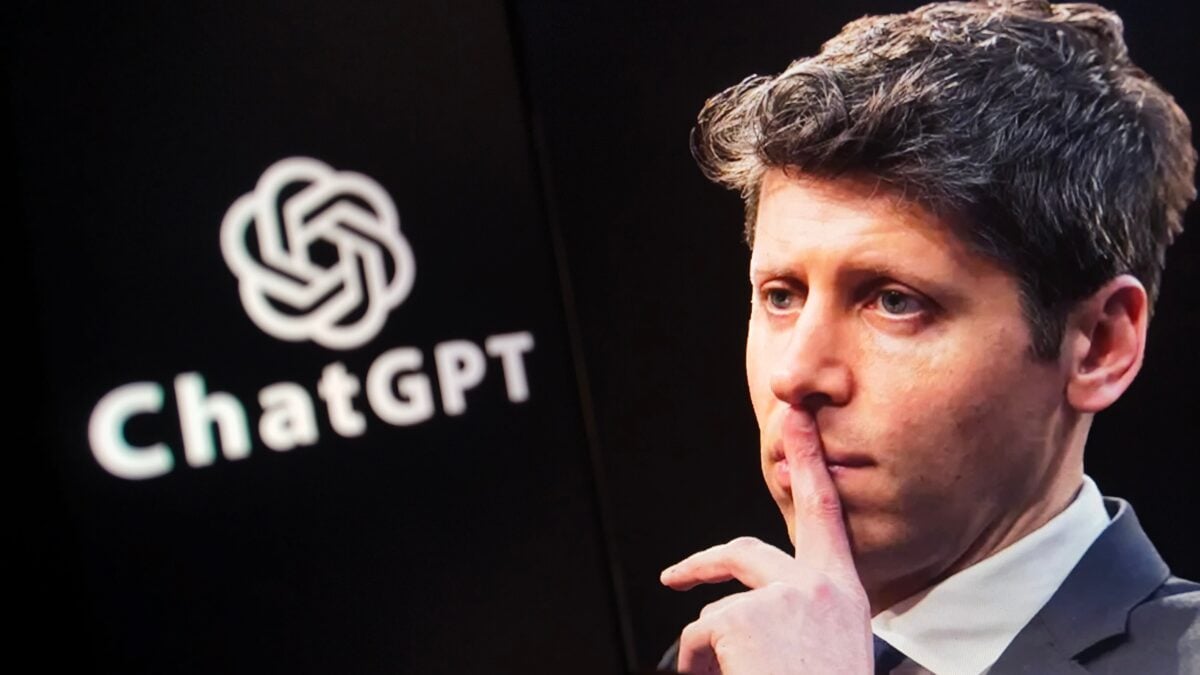
OpenAI CEO Sam Altman has reportedly declared a “code red” within the company to concentrate resources on upgrading ChatGPT, according to a report by The Information.
The move reflects the company’s prioritization of product quality and user experience over immediate monetization strategies.
Internal communications suggest that while OpenAI had been exploring various ad formats, including AI-assisted shopping integrations, the company is now postponing these initiatives. This indicates that the firm is placing long-term retention and performance at the forefront, even amid rising infrastructure costs for running large AI models.
ChatGPT Ad Pause Signals Priorities
OpenAI’s temporary halt on ad projects comes as the company tests ways to integrate commerce and promotions into the AI platform. While ad revenue remains a potential avenue, executives appear to have concluded that rushing monetization could compromise the user experience during this critical upgrade period.
The decision stands in contrast to competitors like Google, which are actively embedding ads in AI-driven search tools. For OpenAI, the choice to delay advertising underscores a commitment to maintaining a high-quality, seamless conversational experience before introducing monetization that might interfere with engagement.
Opportunities for Third-Party Developers
The pause in ad development opens a unique window for third-party developers building custom GPTs through the GPT Store. These user-generated bots can address commerce queries and potentially monetize interactions through affiliate links or lead-generation services, filling a gap left by OpenAI’s temporary hold on ad initiatives.

Industry sources note that some publishers already capture up to 91% of product sources cited by ChatGPT, giving developers a trusted foundation for implementing shopping or service-related features.
This environment allows creators to experiment with workflow GPTs and embedded monetization strategies before OpenAI rolls out its own advertising solutions.
Preparing for Future Monetization
Although the GPT Store currently lacks significant monetization and data protection mechanisms, experts suggest that developers prepare for future opportunities by hosting bots behind paywalls or subscription systems. Trusted content and distinctive approaches to attribution, beyond simple click-based revenue, will likely be key as OpenAI eventually revisits ad integration.
Altman’s “code red” declaration emphasizes that OpenAI is prioritizing stability, engagement, and reliability over short-term financial gains.
For users and developers alike, this means a period of refinement and experimentation that could define the next phase of ChatGPT’s evolution.
OpenAI’s strategic shift signals a broader trend in AI development: prioritizing core performance and user trust before introducing monetization. As ChatGPT undergoes upgrades, both developers and users may find enhanced experiences and new opportunities to engage with AI in meaningful ways, all while the company carefully plans its revenue strategies.
Get 3 Free Stock Ebooks
Discover top-performing stocks in AI, Crypto, and Technology with expert analysis.
- Top 10 AI Stocks - Leading AI companies
- Top 10 Crypto Stocks - Blockchain leaders
- Top 10 Tech Stocks - Tech giants


