


TLDR
-
Major airline stocks experienced steep declines following Middle East military strikes that halted aviation operations
-
American, United, and Delta shares dropped over 5% during morning sessions
-
Dubai’s major airport suspended flights while numerous airspaces shut down
-
Crude oil price increases intensified pressure on carrier stocks
-
Regional flight cancellations and delays numbered in the thousands
Major U.S. airline stocks traded sharply lower Monday following military strikes in the Middle East that forced widespread flight cancellations and closed critical aviation corridors.
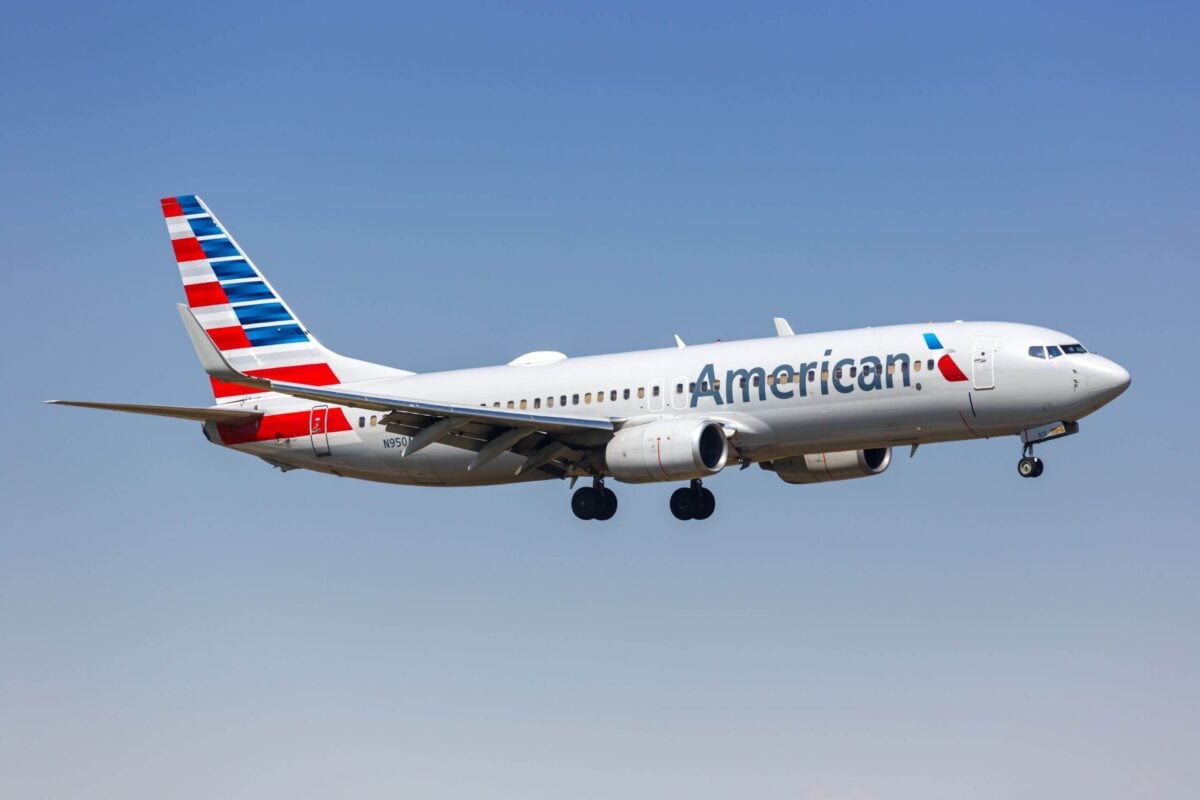
American Airlines (AAL), United Airlines (UAL), and Delta Air Lines (DAL) saw their stock prices plunge by more than 5% when markets opened.
American Airlines Group Inc., AAL
Alaska Air Group (ALK) shares fell approximately 6% as market participants assessed the impact of the operational chaos.
Shares of Ryanair and Joby Aviation decreased roughly 4% in morning trading.
The aviation industry as a whole witnessed widespread selling pressure as cancellations mounted.
FlightAware tracking data showed thousands of regional flights impacted by the crisis.
Key aviation facilities throughout the Middle East either closed completely or significantly curtailed services.

Dubai International Airport temporarily ceased all flight operations amid the escalating situation.
The facility serves as a critical connection point for intercontinental passenger traffic.
Aviation Disruptions Expand Across International Corridors
Multiple countries including Iran, Iraq, Israel, Kuwait, Bahrain, the UAE, and Qatar implemented airspace restrictions.
Aviation tracking systems displayed vast areas of the region with minimal aircraft movement.
Emirates grounded its Dubai operations for multiple hours.
Qatar Airways ceased flights as airspace closures widened throughout the region.
Etihad Airways temporarily suspended services.
British Airways removed Tel Aviv and Bahrain flights from its schedule until later in the week.
Major European airlines such as Lufthansa and Air France-KLM experienced stock price declines when trading commenced.
IAG stock values dropped as the disruption reached international flight networks.
Dubai International functions as an essential waypoint for transcontinental aviation.
Its shutdown is projected to impact connections linking North America, Europe, and Asian destinations.
Multiple regional airports documented drone-related incidents or debris impacts.
In Dubai, one incident resulted in staff injuries, while an Abu Dhabi event led to a death.
Primary airports in Saudi Arabia continued normal operations.
Certain carriers rerouted flights through Saudi airspace to preserve some connectivity.
Rising Oil Markets Compound Airline Challenges
The aviation sector confronted additional headwinds from surging crude oil values.
Brent crude jumped approximately 8% to reach $78.77 per barrel in trading sessions.
Market observers cautioned that oil values may continue climbing if operational disruptions persist. Elevated fuel expenses compress airline profitability and increase overall operational costs.
Carrier stocks have faced downward momentum since mid-February alongside rising petroleum prices.
Latest regional tensions compounded pre-existing financial pressures.
Low-cost airlines including Wizz Air and easyJet recorded share declines.
Some market analysts suggested carriers with significant Middle East operations could encounter heightened vulnerability.
Market participants are tracking whether critical Middle East aviation hubs will restore normal operations.
They’re simultaneously monitoring petroleum market trends and regional airspace accessibility over the near term.
Airline equities maintained their downward trajectory in early sessions as operational disruptions and elevated fuel prices weighed on the sector.
Get 3 Free Stock Ebooks
Discover top-performing stocks in AI, Crypto, and Technology with expert analysis.
- Top 10 AI Stocks - Leading AI companies
- Top 10 Crypto Stocks - Blockchain leaders
- Top 10 Tech Stocks - Tech giants


