


TLDRs:
- US may tap Walmart and data center generators to meet AI electricity demand.
- Backup diesel units could provide up to 35 gigawatts, easing new infrastructure needs.
- EPA limits and federal rules restrict full dispatchability of generator fleets.
- FERC Order 2222 could enable distributed generators to join wholesale energy markets.
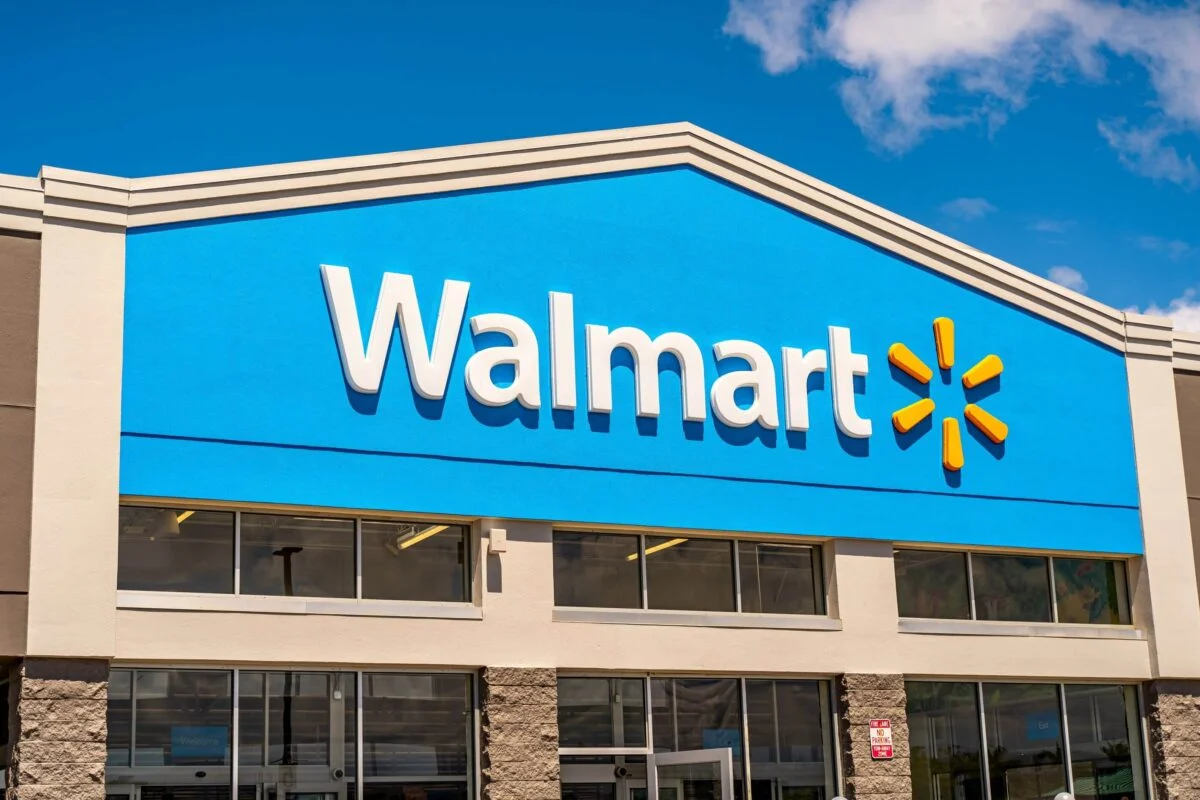
The rapid expansion of artificial intelligence in the United States has prompted the government to consider an unusual energy solution, tapping backup diesel generators at data centers, large retailers like Walmart, and other facilities to meet soaring electricity demand.
Energy Secretary Chris Wright highlighted the potential of these generators to supply up to 35 gigawatts (GW) of power, a capacity comparable to that of 35 nuclear power plants.
Generators as a Temporary Power Solution
Wright explained that these backup generators are already installed across the country, giving the government a readily available energy source without the immediate need for new infrastructure. By leveraging these assets, authorities aim to provide additional electricity during peak demand periods, particularly as AI-driven data centers and computing workloads continue to expand.
The announcement also gave a modest boost to Generac Holdings, a leading US generator manufacturer, whose shares climbed 1.4% following the statement.
Regulatory Limits Restrict Full Usage
While the potential capacity is significant, experts caution that regulatory restrictions limit how much power can be drawn from these generators. Under current EPA rules, non-emergency use, including participation in utility demand response programs, is capped at 100 hours per year, with only 50 hours eligible for paid programs under specific conditions.
These programs require dispatch by local balancing authorities and operation within local transmission constraints. As a result, the 35 GW figure represents installed capacity rather than the total dispatchable output that could be called upon on demand.

FERC Order 2222 Could Expand Generator Access
Efforts to increase generator participation could gain momentum under FERC Order 2222, which mandates that regional transmission organizations (RTOs) and independent system operators (ISOs) allow distributed energy resource (DER) aggregations into wholesale markets.
This approach would let multiple smaller generators, such as those at retail locations, function collectively to provide grid support. ISO New England has already piloted such programs, enabling thousands of megawatts of DER participation, demonstrating the viability of aggregated backup generation.
Balancing Environmental and Energy Goals
Despite the potential, there are environmental and regulatory hurdles. A 2014 federal appeals court ruling and existing EPA emission standards still limit the use of emergency generators in wholesale energy markets unless they meet non-emergency emissions criteria.
Policymakers must weigh these restrictions carefully to ensure that any plan to deploy diesel generators at scale does not conflict with long-term emissions reduction goals.
As AI adoption accelerates across sectors from cloud computing to advanced research, the need for flexible energy solutions is growing. The government’s consideration of existing backup generators underscores both the urgency of the electricity demand surge and the creative approaches officials are exploring to manage it.
Get 3 Free Stock Ebooks
Discover top-performing stocks in AI, Crypto, and Technology with expert analysis.
- Top 10 AI Stocks - Leading AI companies
- Top 10 Crypto Stocks - Blockchain leaders
- Top 10 Tech Stocks - Tech giants


