


Key Takeaways
- A two-week ceasefire between the U.S. and Iran was announced by President Trump late Tuesday evening
- Brent crude oil plummeted by as much as 16%, trading near $94.30 per barrel
- Major carriers including American Airlines, United, Delta, Southwest, and JetBlue surged between 4% and 9% during premarket hours
- The critical Strait of Hormuz, responsible for 20% of worldwide fuel transport, is expected to reopen
- Analysts had forecast U.S. carriers would face an additional $11 billion in jet fuel expenses this year amid escalating oil costs
Major airline stocks experienced significant gains during Wednesday’s premarket session following news that the United States and Iran had reached a two-week ceasefire agreement, alleviating concerns about potential oil supply chain interruptions.
President Donald Trump disclosed the agreement at 6:32 p.m. ET Tuesday evening. According to the announcement, the United States would halt attacks on Iranian infrastructure for a fortnight, contingent upon Iran’s commitment to immediately and completely reopen the Strait of Hormuz.
In a Truth Social post, Trump revealed that Iran had submitted a 10-point proposal, which he characterized as a “workable basis” for further negotiations. The president noted that the parties had reached consensus on “almost all” disputed issues.
Iran’s Foreign Affairs Minister Seyed Abbas Araghchi verified through X that his country intended to halt “defensive operations” in the strait, assuming attacks against Iran ceased.
The Strait of Hormuz represents one of the planet’s most critical oil transit routes. Approximately 20% of worldwide fuel supplies travel through this waterway, meaning any closure directly impacts airline operational expenses.

Brent crude oil prices tumbled by as much as 16% in response to the ceasefire news, stabilizing around $94.30 per barrel. This significant decline offered instant relief to airline companies, which had faced mounting pressure from elevated fuel expenditures since mid-February.
Carriers Were Confronting Escalating Fuel Expenses
Industry analysts had projected that U.S. airlines would incur an additional $11 billion in jet fuel costs during 2025 because of the oil price surge. United Airlines CEO Scott Kirby had previously cautioned that climbing fuel prices might have a “meaningful” effect on the company’s first-quarter financial performance.
United Airlines Holdings, Inc., UAL
Delta Air Lines had recently increased its checked baggage fees for the first time in two years as a strategy to counterbalance fuel cost increases. United Airlines implemented comparable pricing adjustments during a similar timeframe.
Market Performance of Airline Shares
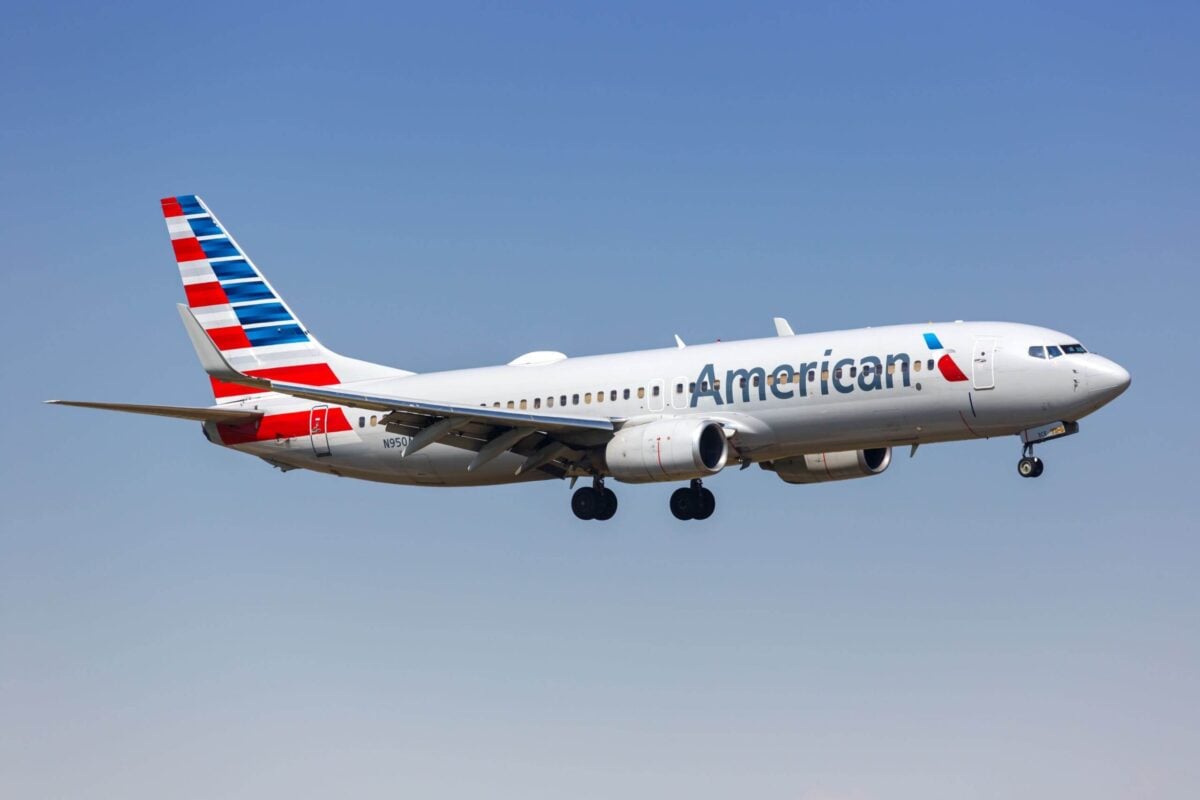
American Airlines climbed 6.2% during premarket activity. United Airlines advanced 8.7%, while Southwest Airlines gained 8.1%. Delta Air Lines increased 6.8%, and JetBlue Airways rose 5.9%.
The U.S. Global Jets ETF jumped 7.7%, signaling a widespread rally throughout the aviation sector.
European airline companies experienced similar gains. Lufthansa, Wizz Air, Air France-KLM, and easyJet each posted increases exceeding 10% in morning trade.
Airline equities had experienced downward pressure since mid-February as escalating Middle East geopolitical tensions drove oil prices upward and intensified concerns regarding industry profit margins.
Delta Air Lines was also slated to release its first-quarter earnings results later Wednesday, providing another focal point for investors monitoring the aviation sector.
Get 3 Free Stock Ebooks
Discover top-performing stocks in AI, Crypto, and Technology with expert analysis.
- Top 10 AI Stocks - Leading AI companies
- Top 10 Crypto Stocks - Blockchain leaders
- Top 10 Tech Stocks - Tech giants


