


TLDR
- Waymo launched its sixth-generation Ojai robotaxis for employee rides in San Francisco and Los Angeles on Thursday, aiming to expand to public riders later in 2026.
- The new Waymo Driver system uses more cost-effective parts and improved sensors that can better navigate harsh weather conditions like rain and snow.
- Waymo targets one million weekly paid rides by the end of 2026, up from its current 400,000 weekly trips across six U.S. cities.
- The company raised $16 billion in funding last week at a $126 billion valuation, despite Alphabet’s “Other Bets” segment posting $7.51 billion in losses for 2025.
- Waymo plans to expand to over 20 new U.S. cities in 2026 and launch its first international service in London, using Chinese-made Geely vehicles that have raised concerns among Republican lawmakers.
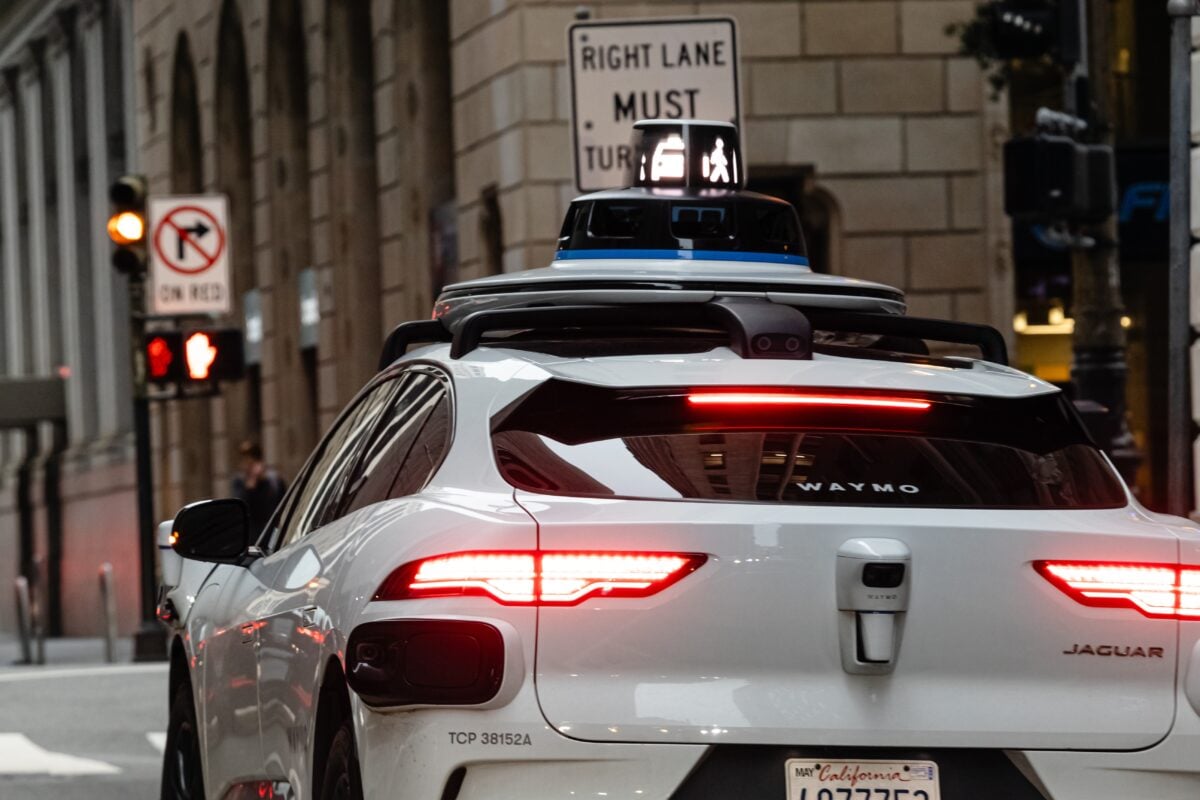
Alphabet’s Waymo division rolled out its sixth-generation robotaxi technology Thursday in San Francisco and Los Angeles. The new Ojai vehicles mark the company’s push to lock in its U.S. lead in the autonomous ride-hailing race.
The deployment starts with employee rides before opening to the public later this year. Waymo Vice President of Engineering Satish Jeyachandran called the new system “the primary engine for our next era of expansion.”
The sixth-generation Waymo Driver uses cheaper components than previous versions. That cost reduction matters as Waymo tries to turn its robotaxi service profitable after years of heavy losses.
Alphabet’s “Other Bets” segment, which includes Waymo, lost $7.51 billion in 2025. That’s up from $4.44 billion in losses the year before.
The company raised $16 billion last week in a funding round led by Alphabet. The deal valued Waymo at $126 billion.
Waymo co-CEO Tekedra Mawakana told Bloomberg Tech the company aims to deliver more than one million paid rides per week by the end of 2026. Right now, Waymo handles about 400,000 paid trips weekly.
Better Weather Performance Enables Expansion
The new system features upgraded lidar and radar technology. It can see better in bad weather than older versions.

Waymo needs that capability as it expands into cities with harsher conditions. The company plans to launch service in more than 20 additional U.S. cities this year, including Denver, Detroit and Washington.
The sixth-generation system uses fewer cameras thanks to a new 17-megapixel imager. Waymo called it “a breakthrough in automotive vision technology.”
New algorithms help the system perform in rain and snow. The cameras also have integrated cleaning systems to handle raindrops and road grime.
Jeyachandran said the new lidar benefits from industry-wide cost reductions over the past five years. Cheaper lidar has started appearing in consumer vehicles, driving down prices.
Chinese Vehicle Partnership Draws Political Heat
The Ojai robotaxis use base vehicles made by Chinese automaker Geely. That choice has attracted criticism from Republican lawmakers.
Senator Bernie Moreno of Ohio questioned Waymo’s safety chief at a committee hearing last week. “We’re locked in a race with China, but it seems like you’re getting in bed with China,” Moreno said.
Waymo spokesperson Sandy Karp said the company won’t share its autonomous driving technology, sensor data or rider information with Zeekr. The Chinese automaker, a Geely subsidiary, provides only the base vehicles.
Waymo installs its self-driving technology in the cars in the U.S. The sixth-generation systems will also work with Hyundai Ioniq 5 vehicles.
Current Jaguar I-PACE robotaxis will continue running on fifth-generation systems. Waymo has operated mixed fleets before, Karp noted.
The company currently serves six U.S. markets: Austin, San Francisco, Phoenix, Atlanta, Los Angeles and Miami. Miami service started in January.
Waymo completed 15 million rides in 2025, quadrupling its volume from the prior year. The company has surpassed 20 million lifetime rides.
Waymo reports its vehicles have had 90% fewer serious injury crashes across 127 million miles driven. Airbag deployments were 82% lower compared to human drivers.
The company plans to launch service in London later in 2026, marking its first international market. Tokyo launches are also in the works.
Wall Street analysts have a Strong Buy rating on Alphabet stock with 26 Buy ratings and seven Holds. The average price target of $377.23 implies 21.5% upside from current levels.
Get 3 Free Stock Ebooks
Discover top-performing stocks in AI, Crypto, and Technology with expert analysis.
- Top 10 AI Stocks - Leading AI companies
- Top 10 Crypto Stocks - Blockchain leaders
- Top 10 Tech Stocks - Tech giants


