


TLDRs:
- Apple lowers App Store fees in China, easing regulatory pressure and benefiting local developers.
- CEO Tim Cook praises Chinese developers and factories amid rising market scrutiny.
- iPhone sales surge despite broader smartphone market decline in China this year.
- App Store fee cuts may influence Apple’s AI revenue and global expansion plans.
Apple recently announced a reduction in its App Store commission in mainland China, cutting the standard rate from 30% to 25%.
Analysts estimate this move will save Chinese developers roughly 6 billion yuan ($873 million) annually. The change took effect on March 15, coinciding with World Consumer Rights Day, a date frequently used by Chinese media to highlight corporate accountability.
This fee reduction appears strategically timed, coming as Apple faces mounting regulatory pressure from Chinese authorities over alleged monopolistic practices in its digital marketplace. The move is part of a broader effort by Apple to maintain strong relationships with one of its most significant markets while preempting potential antitrust interventions.
Tim Cook Highlights China Partnerships
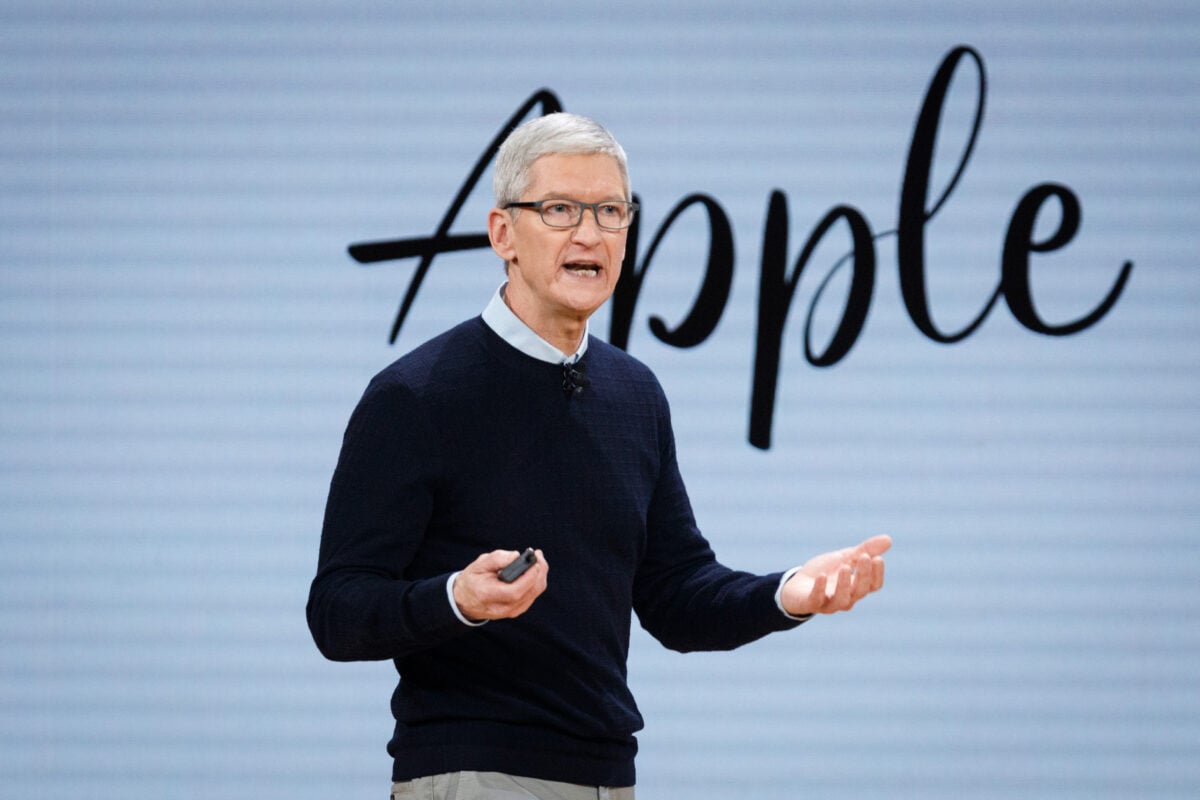
At the China Development Forum in Beijing, Apple CEO Tim Cook lauded Chinese developers and the company’s local supply chain partners. He emphasized the role of automation in Chinese factories and underscored Apple’s alignment with China on initiatives like green development and carbon neutrality.
Cook’s praise comes amid increasing scrutiny of multinational tech firms in China. By publicly recognizing Chinese contributions to Apple’s ecosystem, the company reinforces its commitment to local partners and signals that it intends to cooperate with regulators rather than clash with them.

Sales Climb as Market Faces Challenges
Despite regulatory concerns, Apple’s performance in China remains strong. iPhone sales surged 23% in the first nine weeks of 2026, even as the overall Chinese smartphone market declined by 4% over the same period. The fee cuts may also help sustain this momentum by easing financial pressures on local app developers, encouraging them to continue investing in Apple’s ecosystem.
Apple continues to rely heavily on China for manufacturing, although the company has diversified some assembly operations to Vietnam and India. This dual approach allows Apple to maintain production resilience while staying compliant with regulatory expectations in its largest consumer market.
Implications for AI and Global Strategy
The App Store commission reduction in China may have broader implications for Apple’s AI ambitions. Nearly all of the company’s projected $1 billion AI revenue in 2026 comes from subscription-based apps like ChatGPT, Grok, and Claude, sold through the App Store. Lower commissions and potential support for third-party payment options could influence both revenue and adoption rates in key regions.
The regulatory changes in China mirror global trends. In the EU, Apple was required to lower commissions to 10–17% in 2024, while the U.S. allows alternative in-app payment methods. How Apple navigates these overlapping pressures will likely shape its AI strategy and digital services growth worldwide.
Apple’s move to reduce App Store fees demonstrates a careful balancing act: supporting local developers, appeasing regulators, and protecting revenue streams in one of its most critical markets. As global scrutiny of tech giants continues, these strategic adjustments may serve as a model for how multinational companies manage compliance, innovation, and market growth simultaneously.
Get 3 Free Stock Ebooks
Discover top-performing stocks in AI, Crypto, and Technology with expert analysis.
- Top 10 AI Stocks - Leading AI companies
- Top 10 Crypto Stocks - Blockchain leaders
- Top 10 Tech Stocks - Tech giants


