


TLDRs:
- Only 5% of automakers will maintain strong AI spending by 2029.
- Legacy carmakers struggle to compete with tech-savvy rivals like Tesla.
- Organizational hurdles and outdated approaches hinder AI adoption.
- Spin-offs and tech acquisitions reshape automotive AI investment landscape.
A new Gartner report has sounded the alarm for the automotive industry, predicting a sharp decline in artificial intelligence (AI) investment among automakers over the next several years.
According to the study, only 5% of carmakers are expected to sustain high levels of AI spending by 2029, a drastic drop from the more than 95% investing heavily in AI today.
AI Spending Set for Steep Decline
The report highlights that most automakers will significantly scale back AI investments due to internal constraints and outdated organizational structures.
“Long-term AI spending is expected to fall because many legacy manufacturers are not equipped to integrate software-first strategies.”
Said Gartner analyst Pedro Pacheco. This contraction could have far-reaching consequences, particularly as AI becomes increasingly critical for autonomous driving, predictive maintenance, and connected vehicle services.
Legacy Automakers Face Tech Challenges
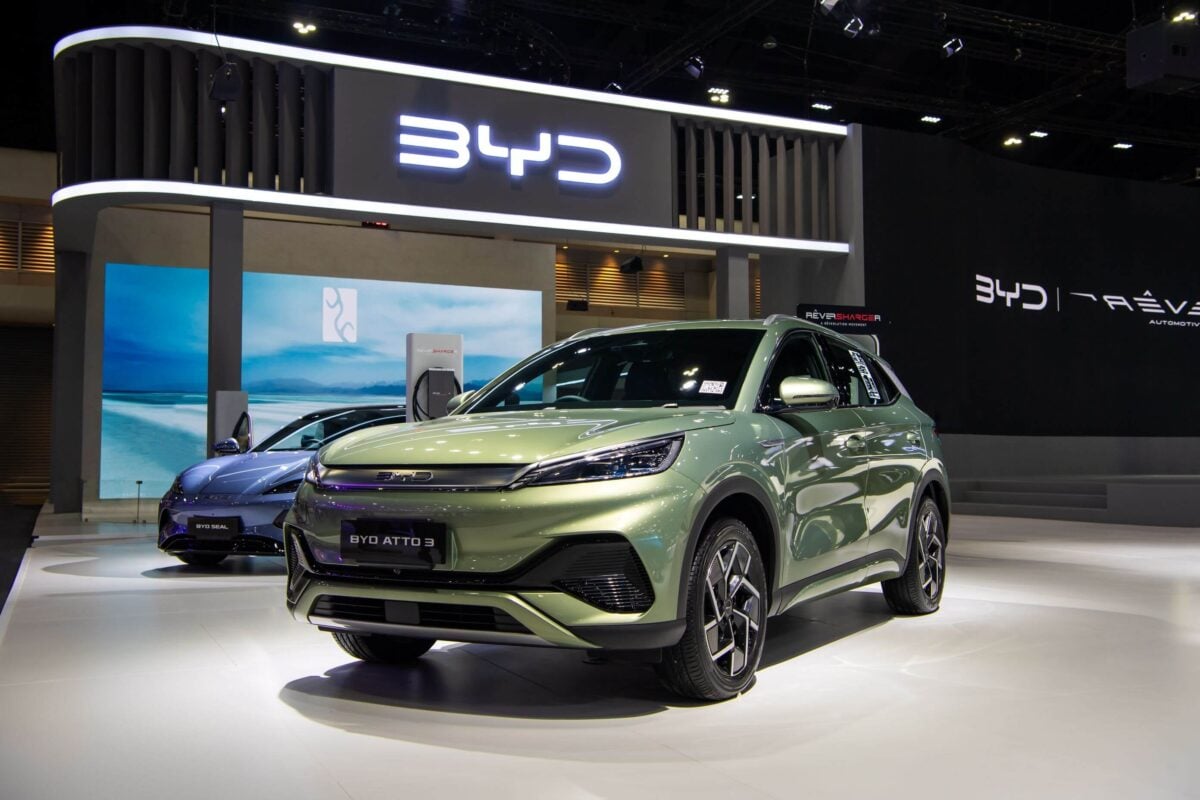
Carmakers with strong software expertise and technology-focused leadership are most likely to maintain their competitive edge. Firms like Tesla and BYD, which emphasize digital innovation and in-house software development, are positioned to pull ahead, leaving traditional players like Volkswagen and other legacy manufacturers struggling to catch up.
These challenges stem from decades of mechanical engineering focus and slow adoption of modern software practices, creating a widening gap in technological capabilities across the industry.

Organizational Barriers Slow AI Adoption
Gartner notes that adopting AI successfully requires more than just budgets for new tools. Automakers must restructure their organizations to prioritize software leadership at the executive level, with software chiefs reporting directly to CEOs.
By 2026, it is projected that 20% of organizations will use AI to flatten management hierarchies, potentially eliminating over half of current middle management roles. Overcoming internal barriers and outdated mindsets is critical for companies hoping to implement AI at scale and remain competitive.
Spin-offs Create New Investment Opportunities
As traditional automakers reassess AI budgets, spin-offs and acquisitions are reshaping the landscape. Continental, for example, plans to sell ContiTech in 2026 and spin off its Automotive group sector as AUMOVIO in September 2025. Similarly, S&P Global is preparing to make its Mobility segment a standalone company, including CARFAX and other automotive data services.
NXP Semiconductors recently acquired TTTech Auto to integrate safety middleware with hardware platforms, reflecting growing demand for software assets in automotive technology. According to PwC, valuations in the automotive sector fell by up to 20% in fiscal year 2025, creating attractive entry points for well-capitalized investors.
Industry experts suggest that automakers that fail to adapt risk being left behind in a market increasingly dominated by AI-driven innovation. The coming years will test the ability of legacy manufacturers to reorganize, invest strategically, and embrace technology at the highest levels. Those that succeed could redefine the automotive landscape, while those that lag may see their relevance diminish rapidly.
Get 3 Free Stock Ebooks
Discover top-performing stocks in AI, Crypto, and Technology with expert analysis.
- Top 10 AI Stocks - Leading AI companies
- Top 10 Crypto Stocks - Blockchain leaders
- Top 10 Tech Stocks - Tech giants


