


TLDR
- BofA sets 1–4% crypto range, marking its boldest digital asset move yet.
- Bitcoin ETFs join BofA’s lineup, reflecting rising crypto mainstream access.
- Wall Street deepens crypto ties as top banks formalize digital allocations.
- BofA flips policy, empowering 15K advisers to guide crypto-hungry clients.
- Institutional crypto adoption surges as U.S. finance redefines portfolios.
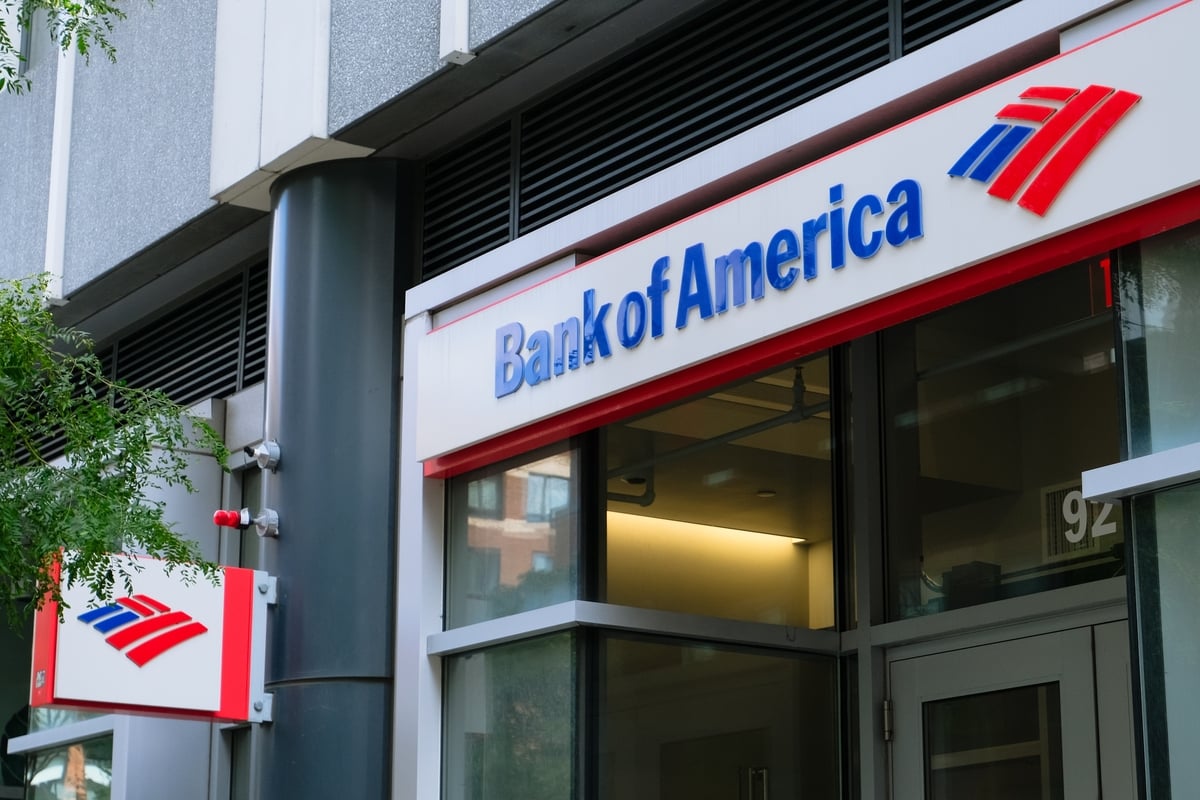
Bank of America (BAC) introduced a new crypto allocation range that marks a clear shift in its advisory approach. The bank moved toward a more defined digital asset strategy as its stock traded near $53.39, a 1% increase.
Bank of America Corporation, BAC
Bitcoin Allocation Framework Signals Policy Shift
Bank of America outlined a 1%–4% crypto allocation range for wealth clients as it updated its advisory stance. The change aligned the bank with leading financial groups that recently formalized digital asset guidance. The new framework provided access through regulated vehicles while keeping implementation structured.
The bank confirmed it will begin coverage of four bitcoin ETFs starting January 5, 2026. The list will include products from Bitwise, Fidelity, Grayscale, and BlackRock, and it brings more clarity to the bank’s platform. Additionally, the move offers broader exposure through established issuers that have expanded their digital asset presence.
The update reversed a previous policy that limited discussions about crypto products unless clients initiated the request. That rule kept more than 15,000 advisers from supporting demand during a time of rising market interest. However, the new guidance opened the door for more structured conversations within the wealth network.
Wall Street Expands Crypto Guidance Across Major Platforms
Bank of America’s decision followed a series of similar moves from leading asset managers during the past year. Morgan Stanley introduced a 2%–4% range for certain portfolios as digital assets gained traction. BlackRock continued advocating a 1%–2% bitcoin band as part of broader allocation frameworks.

Fidelity maintained one of the longest-standing crypto ranges among large firms, using a 2%–5% band for diversified strategies. The company emphasized digital asset exposure for younger clients while supporting regulated product access. Likewise, its early presence in the market offered guidance that shaped broader adoption trends.
Vanguard recently entered the space by allowing selected crypto ETFs and funds on its platform. The change ended a long refusal to offer bitcoin-linked products even as demand increased. The shift added another major firm to the growing list of participants expanding digital asset access.
Broader Market Context and BAC Stock Outlook
Market activity continued reflecting broader interest in firms adjusting their digital asset positioning. The announcement supported a narrative of expanding institutional involvement in crypto markets.
Analysts noted that regulated access remains central to large advisory networks aiming for controlled exposure. The bank emphasized implementation through approved structures as digital assets evolve within mainstream finance. The guidance highlighted a balanced approach that aligns with current regulatory expectations.
The shift reinforced a clear trend of growing digital asset inclusion among major U.S. financial firms. Bank of America’s updated framework signaled momentum that has accelerated through 2024 and 2025. As a result, the move positioned the bank alongside peers advancing unified approaches to crypto allocation.
Get 3 Free Stock Ebooks
Discover top-performing stocks in AI, Crypto, and Technology with expert analysis.
- Top 10 AI Stocks - Leading AI companies
- Top 10 Crypto Stocks - Blockchain leaders
- Top 10 Tech Stocks - Tech giants


