



TLDR
- Bitcoin dominates with 59% market share and institutional ETF access backed by fixed 21 million coin supply cap.
- Ethereum powers smart contracts and DeFi with fee-burning mechanism creating deflationary pressure during high network activity.
- Solana enables fast consumer apps with low-cost transactions attracting developers building payment and mobile platforms.
- Chainlink connects blockchains to external data serving banks and DeFi protocols with $10-11 billion market cap.
- Avalanche offers customizable subnets for institutional tokenization projects and capital markets applications.
Cryptocurrency markets have matured beyond speculation into practical applications. Five digital assets stand out for combining market liquidity with real-world use cases. These cryptocurrencies serve distinct functions from value storage to enterprise data connectivity.
Building a balanced portfolio requires understanding how each asset addresses different market needs. Three large-cap cryptocurrencies provide liquidity and stability. Two mid-cap options target infrastructure growth and institutional adoption.
Bitcoin: Market Leader With Institutional Access
Bitcoin remains the largest cryptocurrency with 59% market dominance. Spot exchange-traded funds provide institutional access to the asset. The network’s fixed supply of 21 million coins creates scarcity that attracts inflation-conscious investors.
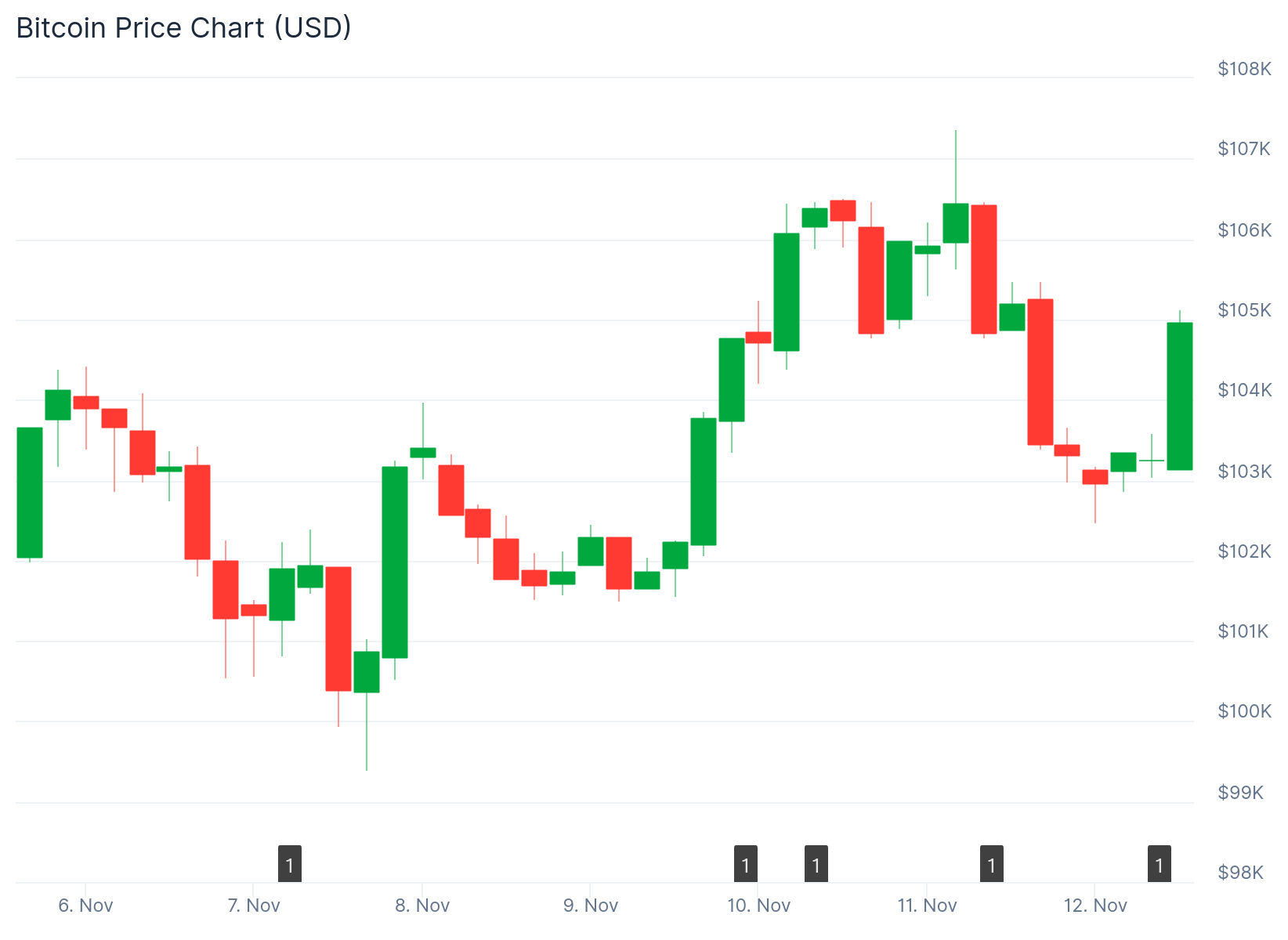
Recent analysis shows Bitcoin offers favorable risk-adjusted returns compared to gold. Liquidity across global exchanges makes the asset suitable for large positions. This dominance makes Bitcoin the foundation for most cryptocurrency portfolios.
Ethereum: Smart Contract Platform and DeFi Hub
Ethereum processes the majority of smart contract transactions in decentralized finance. The network supports thousands of applications and layer-2 scaling solutions. Enterprise blockchain projects frequently choose Ethereum for its established developer community.
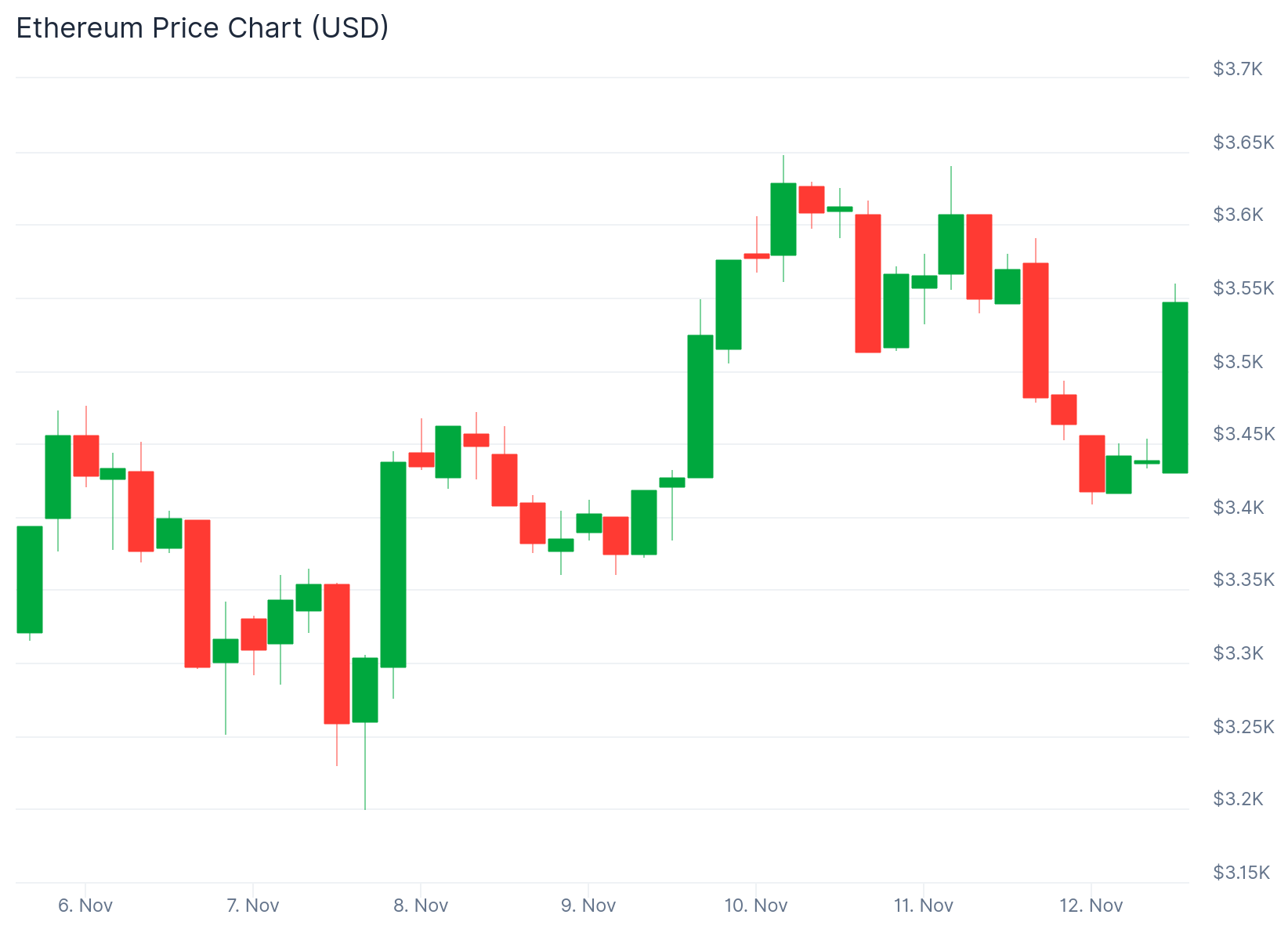
The platform burns transaction fees during high usage periods. This mechanism removes tokens from circulation creating deflationary pressure. Ethereum generates yield for validators who stake their holdings securing the network.

Solana: High-Speed Network for Consumer Apps
Solana delivers transaction speeds measured in seconds with sub-penny fees. These performance metrics enable consumer-grade applications requiring affordability and speed. Developers build payment systems, decentralized infrastructure networks, and mobile platforms on Solana.
Network uptime and performance improved throughout 2024 into 2025. Developer activity increased as builders target mainstream users. Solana shows higher price volatility than Bitcoin and Ethereum making it suitable for growth-focused allocations.
Chainlink: Oracle Infrastructure Connecting Blockchains
Chainlink operates oracle infrastructure connecting blockchains to external data sources. Major DeFi protocols depend on Chainlink for price feeds and market information. Banks and asset managers integrate Chainlink for tokenization projects requiring traditional financial data.
The Cross-Chain Interoperability Protocol enables communication between different blockchain networks. Financial institutions testing blockchain technology need data from legacy systems. Chainlink’s market cap between $10-11 billion positions it for growth as enterprise adoption expands.
Avalanche: Customizable Subnets for Institutions
Avalanche provides customizable subnets allowing organizations to build private blockchain environments. Financial institutions use these tools for capital markets applications. The network targets asset tokenization partnerships with traditional finance firms.
Recent announcements include token-accumulation vehicles and treasury strategies. Partnership developments point to institutional demand rather than speculative interest. Avalanche competes with enterprise-focused blockchains including Polygon and Hedera.
Final Thoughts
Portfolio construction typically allocates 60-70% to Bitcoin and Ethereum for liquidity and stability. Solana receives 20-30% for growth exposure to transaction activity. Chainlink and Avalanche comprise 10-20% targeting infrastructure and tokenization demand.
Dollar-cost averaging reduces timing risk in volatile markets. Total cryptocurrency market capitalization reached mid-trillion dollar levels in early November 2025 with elevated fear readings that historically precede large moves.
Get 3 Free Stock Ebooks
Discover top-performing stocks in AI, Crypto, and Technology with expert analysis.
- Top 10 AI Stocks - Leading AI companies
- Top 10 Crypto Stocks - Blockchain leaders
- Top 10 Tech Stocks - Tech giants


