


TLDR
-
Delta’s 60-jet Dreamliner order powers Boeing’s widebody outlook and stock gains.
-
Boeing jumps as Delta commits to a major 787-10 fleet upgrade for global routes.
-
Delta boosts long-haul growth with new 787s, strengthening Boeing’s production pipeline.
-
Big 787-10 order lifts Boeing, signaling rising demand for efficient long-haul jets.
-
Delta’s fleet overhaul with 787-10 jets fuels Boeing’s momentum and backlog strength.
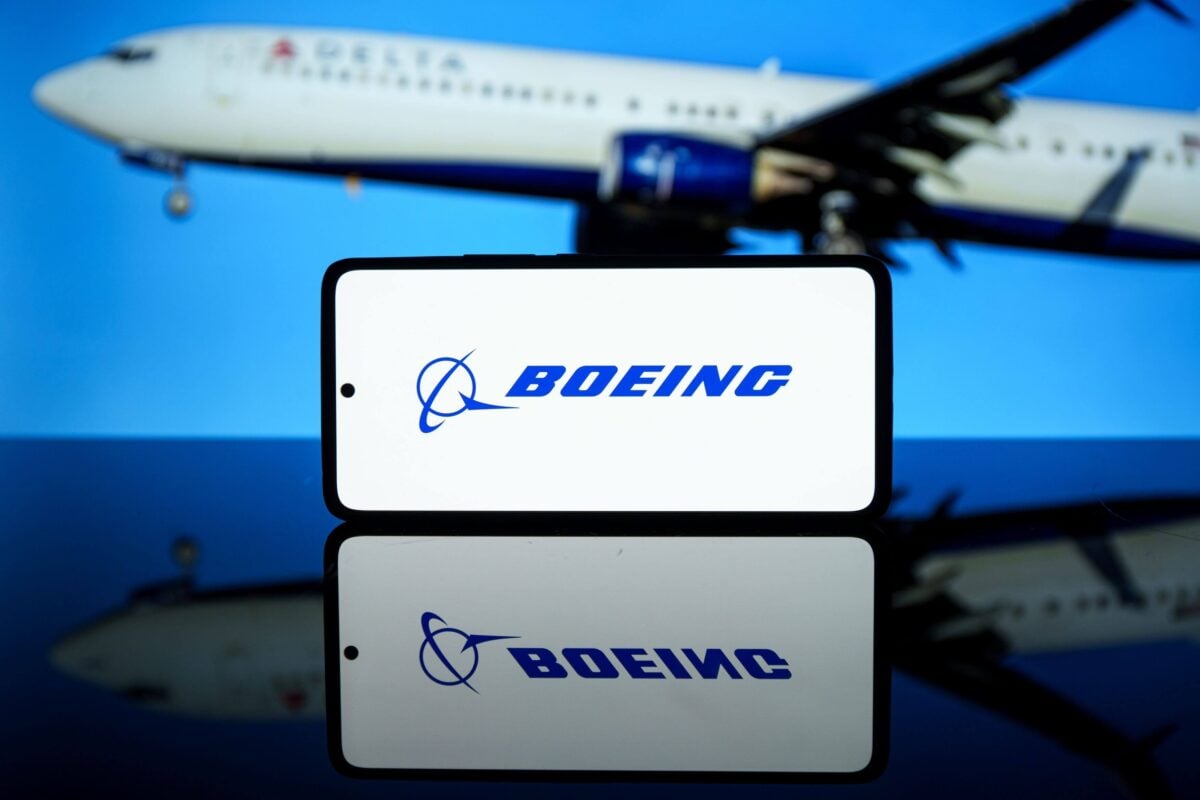
Boeing (BA) shares gained momentum as its stock traded at $244.55, rising 1.98% after a firm early-session rally. The advance followed a major order from Delta Air Lines for up to 60 Boeing 787 Dreamliners. The agreement strengthened Boeing’s widebody outlook and supported renewed confidence in long-haul production demand.
Delta Boosts Long-Haul Growth With New 787-10 Fleet
Delta confirmed a firm order for 30 Boeing 787-10 aircraft and secured options for 30 more units. The carrier aims to expand long-haul networks across transatlantic and South American markets with the new fleet. Moreover, the aircraft will replace older widebody jets and support Delta’s growth plans through the next decade.
The 787-10 provides higher seating capacity and stronger operating efficiency compared to previous widebody models. It offers up to 25% better fuel use per seat, which supports Delta’s cost and sustainability goals. Additionally, the aircraft includes modern cabin features that enhance comfort on long international flights.
Delta positioned the order as part of a wider strategy to streamline its international schedule and upgrade its customer experience. The new jets will introduce higher premium capacity and improved cargo capability across major routes. Furthermore, the fleet expansion aligns with Delta’s plan to operate its most extensive global schedule in its history.
Boeing Strengthens Widebody Production and Supply Chain Stability
Boeing welcomed the order as it reinforced long-term widebody demand across its manufacturing ecosystem. The 787 program continues to anchor the company’s strategy to support global passenger growth. Moreover, the deal expands Boeing’s relationship with Delta, which already operates more than 460 Boeing aircraft.

The order increases Boeing’s firm backlog with Delta to 130 aircraft, including previous commitments for 737-10 models. This supports broader production visibility and provides continued stability across Boeing’s supplier network. Additionally, the agreement signals renewed confidence in U.S. aerospace manufacturing strength.
The 787-10’s efficiency and scale allow airlines to modernize fleets while expanding capacity across competitive routes. Boeing plans to deliver enhanced levels of reliability, range, and cabin performance with the Dreamliner family. Therefore, the new order positions Boeing to support global growth while strengthening its commercial aircraft portfolio.
Advanced Engines and Upgraded Cabin Features Enhance Delta’s Future Fleet
Delta selected GE Aerospace’s GEnx engines to power the new 787-10 aircraft. The engines offer reduced weight and improved durability through advanced carbon-fiber technology. Additionally, they support better performance at higher altitudes and contribute to smoother flight operations.
The cabin will include larger windows, improved pressurization, and upgraded storage, which improve long-haul passenger comfort. Delta also plans to expand its premium offerings through Delta One Suites and other upgraded seating classes. Enhanced entertainment systems and high-speed Wi-Fi will support a modern in-flight experience.
Delta placed the order within its existing capital plans and long-term fleet strategy. The carrier now holds commitments for 232 narrowbody and 54 widebody aircraft for future delivery. As a result, this 787 expansion strengthens Delta’s international posture while supporting Boeing’s long-term commercial footprint.
Get 3 Free Stock Ebooks
Discover top-performing stocks in AI, Crypto, and Technology with expert analysis.
- Top 10 AI Stocks - Leading AI companies
- Top 10 Crypto Stocks - Blockchain leaders
- Top 10 Tech Stocks - Tech giants


