


TLDR
- BYD’s January battery electric vehicle sales totaled 83,249 units, the lowest monthly figure since February 2024
- China reinstated a 5% EV purchase tax on January 1, ending over ten years of tax exemptions
- Export volumes declined to 100,482 vehicles from December’s 133,172 units
- Geely captured second place in China’s EV market with over 270,000 January sales across all brands
- Industry-wide new energy vehicle growth slowed to 2.6% in December, the third consecutive month of deceleration
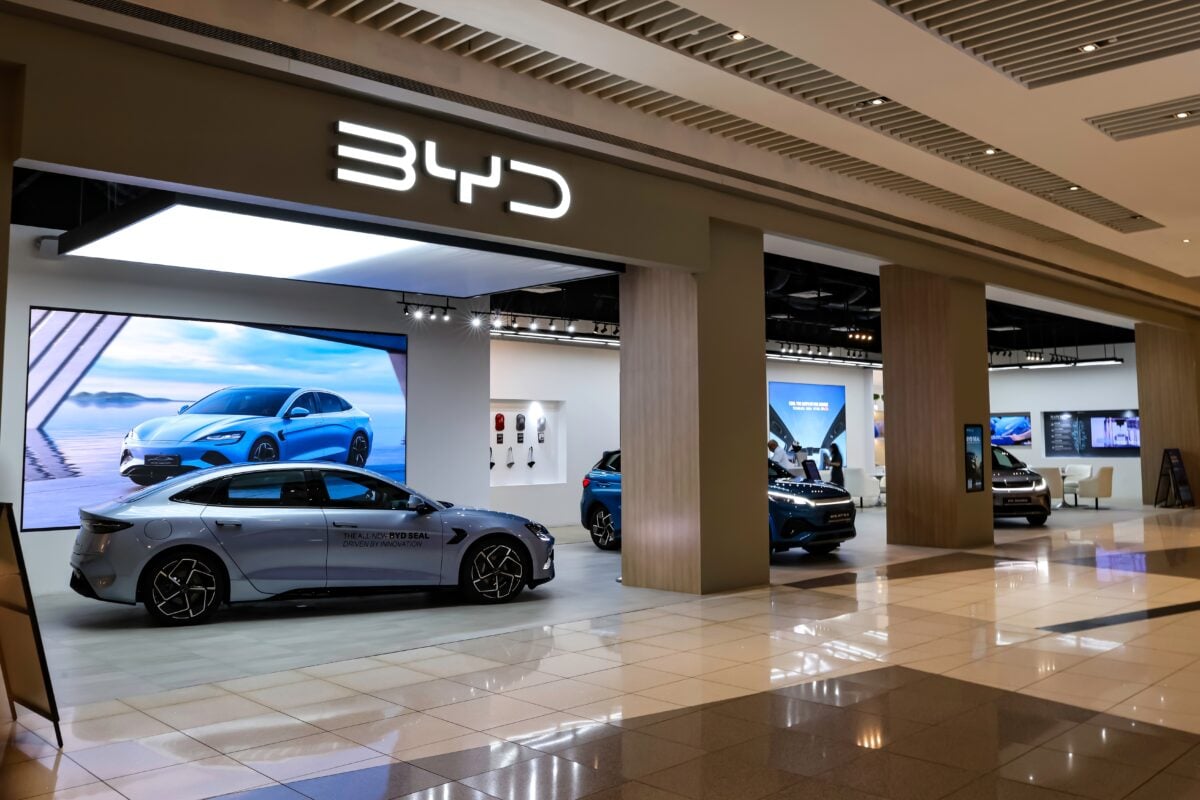
China’s largest electric vehicle manufacturer just posted its weakest results in nearly two years. BYD recorded 83,249 battery electric passenger car sales in January, the lowest monthly total since February 2024 when it sold 121,748 vehicles.
Total vehicle sales reached 205,518 units including plug-in hybrids. But the battery electric segment showed concerning weakness for the world’s top EV seller.
The downturn coincides with a major policy change. China ended its longstanding tax break for electric vehicles on January 1, reinstating a 5% purchase tax. The exemption from the full 10% vehicle purchase tax had been in place for more than a decade.
Helen Liu from Bain & Company said policy shifts could lead consumers to postpone purchases. Automakers are also becoming more cautious about new vehicle launches.
China’s early-year data often shows volatility due to the Lunar New Year holiday. Tu Le from Sino Auto Insights said first-quarter results will provide a clearer picture of market conditions.

Competitors Capture Market Share
Geely now sits in second place among China’s electric vehicle makers. The company sold more than 270,000 vehicles in January, including Galaxy and Zeekr brands plus exports exceeding 60,000 units.
Geely forecasts 2.22 million new energy vehicle sales for 2026, a 32% increase year over year.
Several rivals posted strong year-over-year growth. Aito delivered over 40,000 vehicles in January, up more than 80% from the prior year. The brand uses Huawei’s operating system in its vehicles.
Leapmotor reported 32,059 deliveries while Nio hit 27,182 units, both showing annual increases.
Xiaomi delivered more than 39,000 electric cars last month, up from a year ago but down from December’s 50,000. The smartphone maker plans to upgrade its SU7 sedan in April.
Not every manufacturer gained ground. Xpeng delivered just 20,011 vehicles, well below its 2025 monthly average above 35,000. Li Auto fell to 27,668 deliveries.
Le noted that Geely’s Galaxy line has captured low-end sales where BYD traditionally performs best. The company now battles multiple competitors simultaneously rather than one dominant rival.
International Sales Decline
BYD’s export business also softened in January. International shipments totaled 100,482 vehicles compared to 133,172 in December.
The company targets 1.3 million overseas sales in 2026, representing nearly 25% growth. BYD has not disclosed a domestic sales target for the year.
BYD sold 4.56 million new energy vehicles in the previous year. It overtook Tesla as the world’s largest battery electric car manufacturer, delivering 2.26 million units with nearly 28% growth.
New energy vehicles accounted for over half of China’s new passenger car sales by mid-2024.
Broader Market Challenges
Market-wide data reflects similar pressures. New energy vehicle sales grew only 2.6% year over year in December per China Passenger Car Association figures, marking three consecutive months of declining growth rates.
The auto industry employs roughly 30 million people in China, more than 10% of urban workers. However, Fitch Ratings economist Alex Muscatelli noted vehicles represented just 3.7% of fixed asset investment last year compared to 23% for real estate.
Cameron Johnson from Tidalwave Solutions said industry sources expect Beijing may restore subsidies if conditions deteriorate. China’s parliament will announce policy priorities in March.
Get 3 Free Stock Ebooks
Discover top-performing stocks in AI, Crypto, and Technology with expert analysis.
- Top 10 AI Stocks - Leading AI companies
- Top 10 Crypto Stocks - Blockchain leaders
- Top 10 Tech Stocks - Tech giants


