


TLDR
- A dedicated Innovation Task Force was established by the CFTC to develop regulatory guidelines for cryptocurrency, artificial intelligence, and prediction markets
- Michael Passalacqua will serve as the leader of this initiative, collaborating with the CFTC’s Innovation Advisory Committee
- A Memorandum of Understanding between the SEC and CFTC was executed to harmonize digital asset supervision and eliminate regulatory inconsistencies
- Collaborative guidance clarified that the majority of digital assets — such as stablecoins and collectibles — fall outside securities classification
- The CLARITY Act, designed to establish market structure, continues to face delays in the Senate
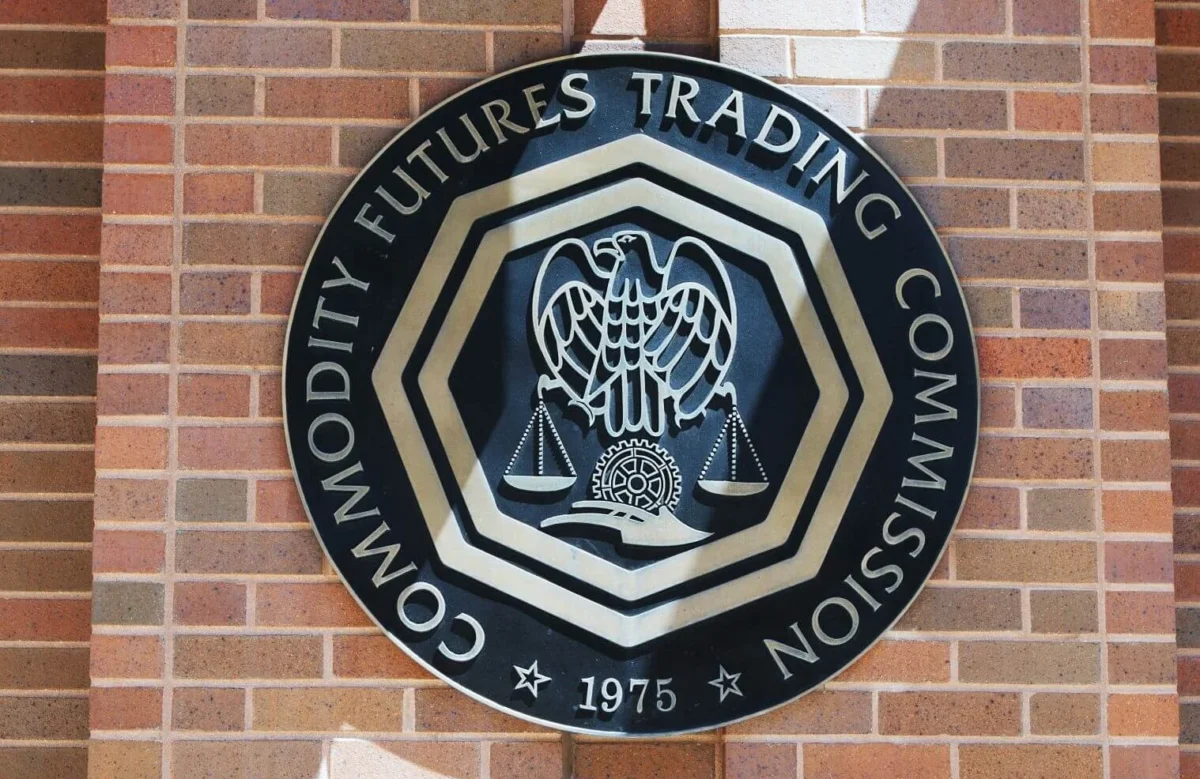
The United States Commodity Futures Trading Commission has established a dedicated Innovation Task Force designed to develop more transparent regulatory frameworks for cryptocurrency, artificial intelligence technologies, and prediction market platforms.
During Tuesday’s Digital Asset Summit held in New York City, CFTC Chair Michael Selig revealed the initiative. According to Selig, this task force will establish a direct communication channel between industry innovators and regulatory authorities.
“The idea is really to create a space where innovators and builders can come in and talk to the staff,” Selig said.
Serving as the task force’s director will be Michael Passalacqua, currently a senior adviser to Selig. Prior to joining the CFTC this past January, Passalacqua specialized in cryptocurrency and blockchain matters at the international law practice Simpson Thacher & Bartlett.
Collaboration between the task force and the CFTC’s Innovation Advisory Committee is planned. This committee comprises over 30 industry leaders representing organizations including Kalshi and Nasdaq.
This initiative from the CFTC follows more than a year after the SEC established its own cryptocurrency-focused task force, which launched one day following President Donald Trump’s inauguration.
SEC and CFTC Sign Agreement to Coordinate Rules
Earlier within the current month, both the SEC and CFTC executed a Memorandum of Understanding aimed at harmonizing their regulatory strategies toward digital assets. This agreement seeks to eliminate the contradictory regulations that had previously generated tension between both regulatory bodies.

Last week, the two agencies released collaborative guidance. This guidance established that the vast majority of digital assets — encompassing stablecoins, digital commodities, and collectibles — do not qualify as securities.
The collaborative guidance presented an official “token taxonomy” framework to assist in digital asset classification. It further explained that cryptocurrency-related activities such as mining, staking, and airdrops typically do not constitute securities transactions.
According to the MOU terms, the SEC and CFTC will coordinate efforts regarding data sharing, collaborative rulemaking, product classification, clearing procedures, margin requirements, and trade reporting protocols.
SEC Chair Paul Atkins characterized the framework as a “bridge” providing clarity during the period while Congress develops comprehensive legislation.
A Joint Harmonization Initiative was simultaneously established, with co-leadership from the SEC’s Robert Teply and the CFTC’s Meghan Tente.
Market Structure Legislation Still Stalled
Comprehensive digital asset legislation has yet to receive Congressional approval. The market structure legislation, known as the CLARITY Act, successfully passed through the House of Representatives during July 2025 but has remained stagnant in the Senate since that time.
Ongoing debates surrounding stablecoin yield mechanisms, ethical considerations, tokenized equity instruments, and additional concerns have impeded advancement. The timeline for a complete Senate floor vote remains uncertain.
The CFTC has simultaneously expanded its regulatory authority over prediction market platforms. The agency has claimed jurisdiction over these markets despite opposition from certain states invoking local gambling regulations.
Get 3 Free Stock Ebooks
Discover top-performing stocks in AI, Crypto, and Technology with expert analysis.
- Top 10 AI Stocks - Leading AI companies
- Top 10 Crypto Stocks - Blockchain leaders
- Top 10 Tech Stocks - Tech giants


