


TLDRs;
- Chevron gains after-hours as U.S. policy changes pave way for Venezuelan crude imports.
- Pasadena and Pascagoula refineries set to handle heavier Venezuelan crude grades soon.
- Energy stocks rise amid geopolitical oil concerns and shifting global supply flows.
- Lukoil asset deals and sanctions oversight add uncertainty to Chevron’s growth story.
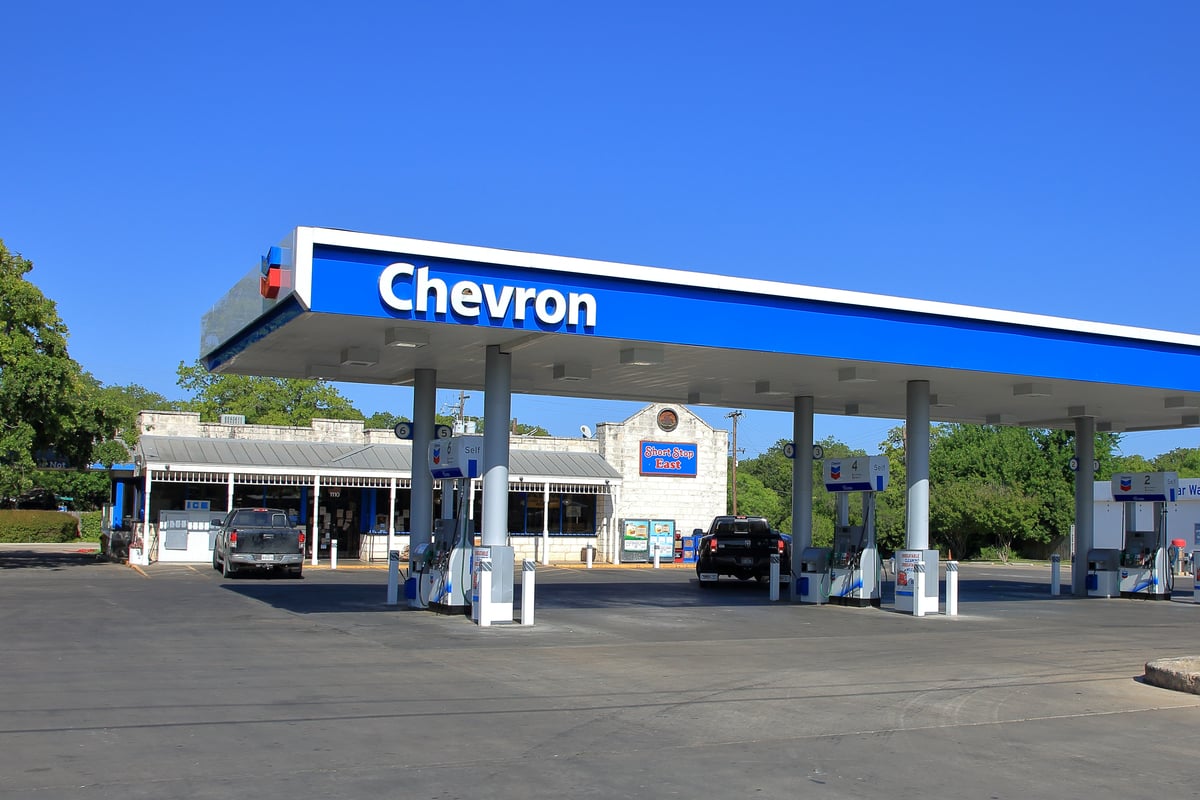
Chevron Corp (CVX) shares rose 0.9% in after-hours trading Tuesday, reaching $163.87, after sources indicated that the oil giant plans to process Venezuelan crude at its Pasadena, Texas, and Pascagoula, Mississippi refineries.
During the session, CVX shares traded in a range between $162.53 and $166.13 as investors reacted to the news. The timing of these Venezuelan crude shipments remains unclear, but the announcement underscores Chevron’s role in navigating complex geopolitical oil markets.
U.S. Policy Shifts Influence Oil Market Dynamics
The potential influx of Venezuelan crude comes amid evolving U.S. policies that are impacting global oil benchmarks. U.S. crude futures traded at a $4.76-per-barrel discount to Brent crude, the widest spread since April, as traders anticipate Venezuelan barrels arriving for U.S. refineries.
Analysts from Kpler project that increased Venezuelan crude flows could raise U.S. crude exports by up to 100,000 barrels per day in the first quarter of 2026. The easing of production cuts by Venezuela’s PDVSA, under U.S. oversight, is further driving market attention to Chevron’s operations.
Oil Prices React to Geopolitical Risks
Oil markets responded positively to Chevron’s news, even as broader geopolitical concerns persist. Brent crude closed at $65.47 per barrel and U.S. WTI at $61.15, marking over a 2% increase in prices. Analysts attribute part of this surge to ongoing uncertainties in Iran, which add a “geopolitical risk premium” of $3–$4 per barrel, according to Barclays.

Market participants view Chevron’s Venezuelan crude access as a hedge against these disruptions, with the company uniquely positioned to capitalize on heavier crude grades that require sophisticated refinery capabilities.
Sanctions and Strategic Deals Remain Key Variables
Chevron’s expansion into Venezuelan crude occurs alongside broader strategic considerations. The company is reportedly among bidders for Russia’s Lukoil global assets, valued at approximately $22 billion, pending approval from the U.S. Treasury’s Office of Foreign Assets Control.
Previous attempts at acquiring the portfolio were blocked due to sanctions, highlighting the legal and regulatory complexities that could influence Chevron’s future operations. Investors are also closely monitoring U.S. major oil companies’ cautious approach to early Venezuelan deals, weighing credit, legal, and physical risks in a still volatile market.
Market Outlook and Investor Focus
The Chevron stock movement coincides with gains across the energy sector. Exxon Mobil rose roughly 2% in after-hours trading, ConocoPhillips gained 1%, and BP jumped about 2.8%. While the timing of Venezuelan crude shipments remains uncertain, analysts note that additional heavy crude volumes could widen the WTI discount while benefiting refineries equipped to handle such grades.
Chevron has scheduled its fourth-quarter earnings call for January 30 at 11:00 a.m. ET, where CEO Mike Wirth and CFO Eimear Bonner are expected to provide further insights into the company’s strategic priorities and refinery plans.
Investors and market watchers are closely following these developments, as Chevron’s access to Venezuelan crude and potential Lukoil deals may significantly influence energy sector dynamics in 2026.
Get 3 Free Stock Ebooks
Discover top-performing stocks in AI, Crypto, and Technology with expert analysis.
- Top 10 AI Stocks - Leading AI companies
- Top 10 Crypto Stocks - Blockchain leaders
- Top 10 Tech Stocks - Tech giants


