


TLDR
- China is considering a $70 billion package to support its domestic chipmaking industry.
- The funding plan ranges from 200 billion yuan ($28 billion) to 500 billion yuan.
- The push aims to reduce China’s dependence on foreign technology, especially from the US.
- China’s government urges firms to adopt locally produced chips over foreign alternatives like Nvidia’s.
- Despite progress, China’s chip industry still lags behind global leaders like Taiwan Semiconductor.
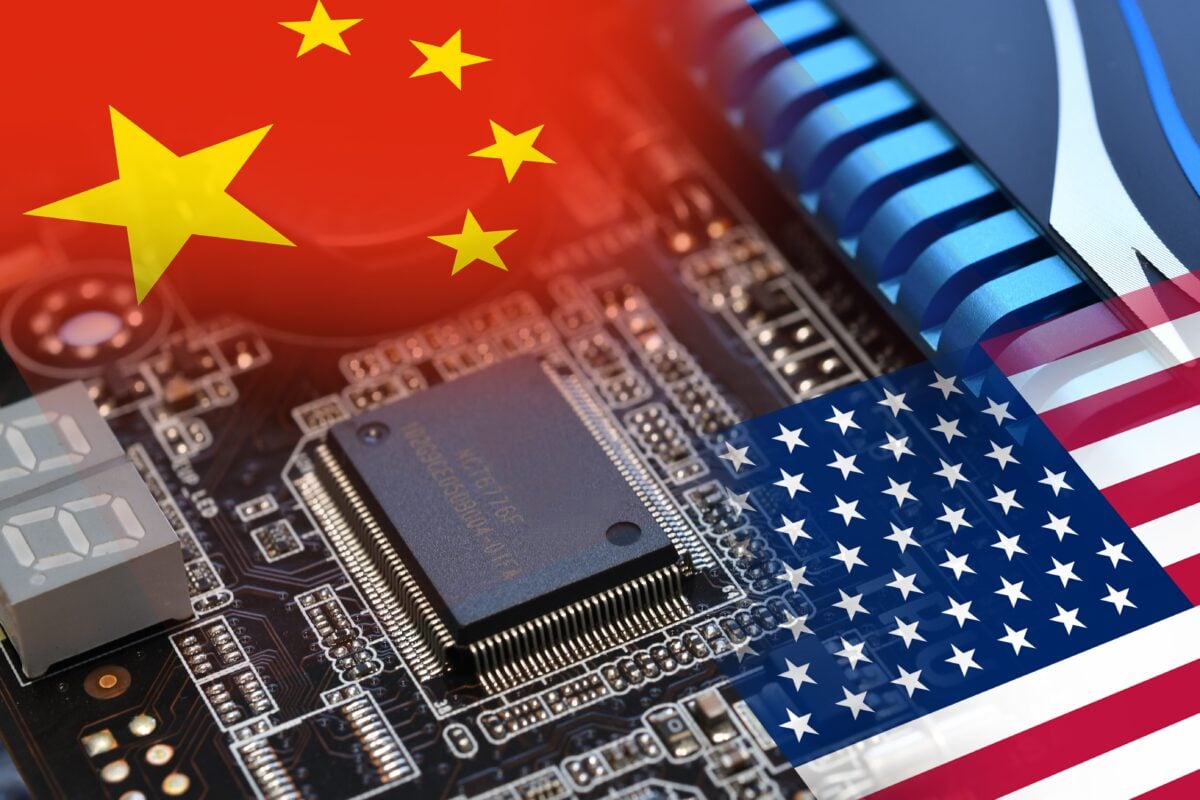
China is considering a comprehensive incentive package worth up to $70 billion to strengthen its chipmaking sector. The government plans to provide substantial subsidies and financing to support domestic chipmakers. The proposed funding aims to reduce the country’s reliance on foreign technology, particularly from the US.
China Targets Large-Scale Support for Chipmakers
According to a Bloomberg report, the Chinese government is weighing a funding plan between 200 billion yuan ($28 billion) and 500 billion yuan. This support package will target key players in the domestic semiconductor industry, including Huawei and Cambricon Technologies. The final details of the proposal, including the exact amounts and companies involved, are still under negotiation.
The proposed financial package highlights China’s commitment to expanding its chipmaking industry. As global competition for semiconductor supremacy intensifies, China seeks to bolster its domestic production capabilities. This package could match the funding levels set by the US through its Chips Act, signaling China’s determination to advance its chip manufacturing sector.
Beijing’s Strategy to Reduce Dependence on Foreign Chips
China’s drive to enhance its chipmaking capabilities stems from growing concerns over access to foreign technologies. Over the years, China has faced export restrictions from the US, limiting its access to critical semiconductor technology. As part of its long-term strategy, Beijing has prioritized the development of AI and semiconductor capabilities.
Officials have urged local firms to adopt domestically-produced components instead of relying on foreign chips. For example, they have recommended avoiding Nvidia’s H20 chip, which has been adapted for the Chinese market. Despite the US easing certain restrictions, China has not yet agreed to import the more advanced Nvidia H200 chips.
Chinese Firms Boosting Capabilities
China’s largest contract chipmaker, Semiconductor Manufacturing International Corp. (SMIC), is increasing its production capabilities. SMIC has become Huawei’s primary partner for chip production, even without access to the most advanced manufacturing equipment. Meanwhile, Chinese AI chip designer Moore Threads Technology Co. has seen its stock surge by over 600% since its public debut.

The government’s focus on domestic chip development aligns with its broader technological goals. By promoting local production, China aims to decrease dependence on Western firms. As this incentive package advances, it could reshape the landscape of the Chinese chipmaking industry.
The proposed incentives mark a new phase in China’s effort to dominate the semiconductor market. However, Chinese chipmakers still lag behind global leaders such as Taiwan Semiconductor Manufacturing Co. in advanced chip technologies. Despite this, the government’s push for self-sufficiency in the sector is expected to intensify in the coming years.
Get 3 Free Stock Ebooks
Discover top-performing stocks in AI, Crypto, and Technology with expert analysis.
- Top 10 AI Stocks - Leading AI companies
- Top 10 Crypto Stocks - Blockchain leaders
- Top 10 Tech Stocks - Tech giants


