


TLDRs:
- Ant Group leads hundreds of millions yuan funding for Hefei-based fusion startup Xeonova.
- China’s fusion sector mixes state-backed programs with private tech investments.
- AI-driven digital twins help startups optimize fusion for rising data center energy needs.
- Investment boom opens opportunities for suppliers of cryogenics, magnets, and diagnostic gear.
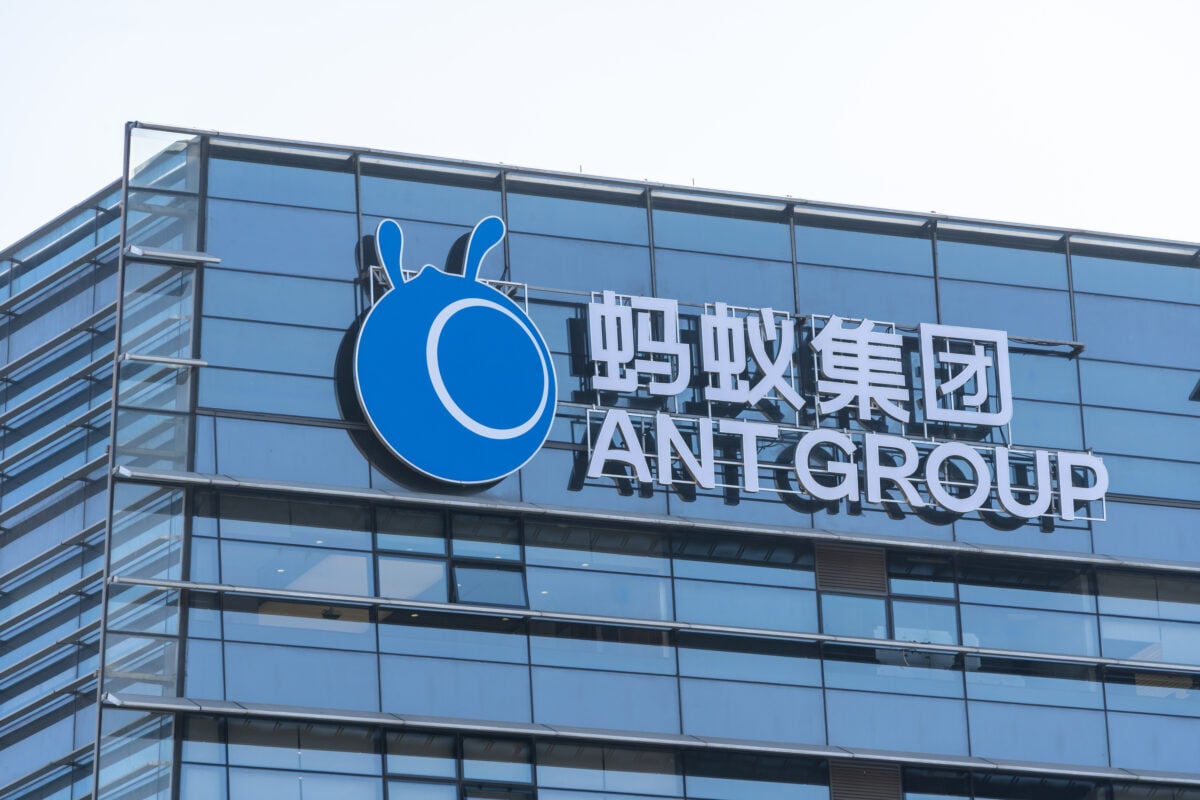
China’s nuclear fusion sector is witnessing an unprecedented influx of private capital, with Ant Group spearheading a pre-A funding round for Hefei-based startup Xeonova.
The financing, reportedly in the hundreds of millions of yuan, also included contributions from Hidden Hill Capital and Zijin Mining Group. Ant Group, an affiliate of Alibaba, has increasingly been exploring energy and deep-tech ventures, and its backing underscores the growing importance of nuclear fusion as a potential solution to China’s escalating energy demands.
Xeonova’s focus on fusion technology, which seeks to replicate the energy-producing process of the sun by combining light atoms, is particularly timely. Though commercial fusion remains elusive, the startup aims to accelerate research and development by leveraging cutting-edge tools such as AI-powered digital twins.
These virtual replicas allow engineers to simulate and optimize plasma behavior, reducing trial-and-error experimentation and speeding the pathway to viable energy output.
State-Private Collaboration Expands
China’s fusion ecosystem is evolving into a hybrid model where large state-backed programs coexist alongside private startups.
Fusion Energy Tech., a state-backed venture in Hefei, is developing BEST, a major fusion research device, with registered capital of 14.5 billion yuan. Meanwhile, private firms like Xeonova are carving out specialized niches, often supported by tech giants such as Ant Group.

The regional push is also clear: Shanghai aims to become a world-class fusion research hub, targeting double-digit annual growth in fusion R&D through 2025. This strategy aligns with national energy policy, supporting both decarbonization efforts and the growing electricity needs of AI data centers. By combining private agility with state resources, China hopes to accelerate fusion innovation while maintaining strategic control over critical energy technologies.
AI and Fusion Energy Converge
The integration of AI into fusion research is becoming a key differentiator for startups. Xeonova, for instance, employs AI-driven digital twins to simulate plasma dynamics and optimize reactor performance. This approach addresses one of the biggest challenges in fusion, stabilizing super-heated plasma in confinement systems like tokamaks.
AI integration not only boosts research efficiency but also directly targets the rising energy requirements of China’s expanding AI infrastructure.
Traditional power supplies often struggle to meet surging demand from data centers, creating a clear market opportunity for fusion-generated electricity. By leveraging computational modeling and AI optimization, startups can position themselves at the intersection of energy innovation and digital infrastructure growth.
Supplier Opportunities Grow
The investment wave in China’s fusion sector is opening doors for vendors and equipment suppliers. Companies providing cryogenic systems, superconducting magnets, vacuum equipment, and pulsed power systems are particularly well-positioned.
Diagnostic gear makers and high-performance computing providers can further capitalize on demand for AI-optimized plasma control solutions, helping to stabilize reactors and enhance performance.
Hefei and Shanghai are emerging as critical hubs for both startups and suppliers. Beyond Xeonova, ventures like Energy Singularity aim to complete next-generation tokamaks by 2027, creating opportunities for suppliers of simulation software, sensors, and other specialized components. Analysts note that with 12 fusion startups raising a combined 14.7 billion yuan by mid-2025, China’s private fusion sector is poised for rapid expansion.
Get 3 Free Stock Ebooks
Discover top-performing stocks in AI, Crypto, and Technology with expert analysis.
- Top 10 AI Stocks - Leading AI companies
- Top 10 Crypto Stocks - Blockchain leaders
- Top 10 Tech Stocks - Tech giants


