


TDLRs;
- Chinese EV market share in Europe fell to 11.8% in October.
- Hybrid sales dropped to 12.6% amid slower UK demand.
- EU tariffs allow profitable imports, despite trade tensions with China.
- Low BEV resale values create fintech and leasing opportunities in Europe.
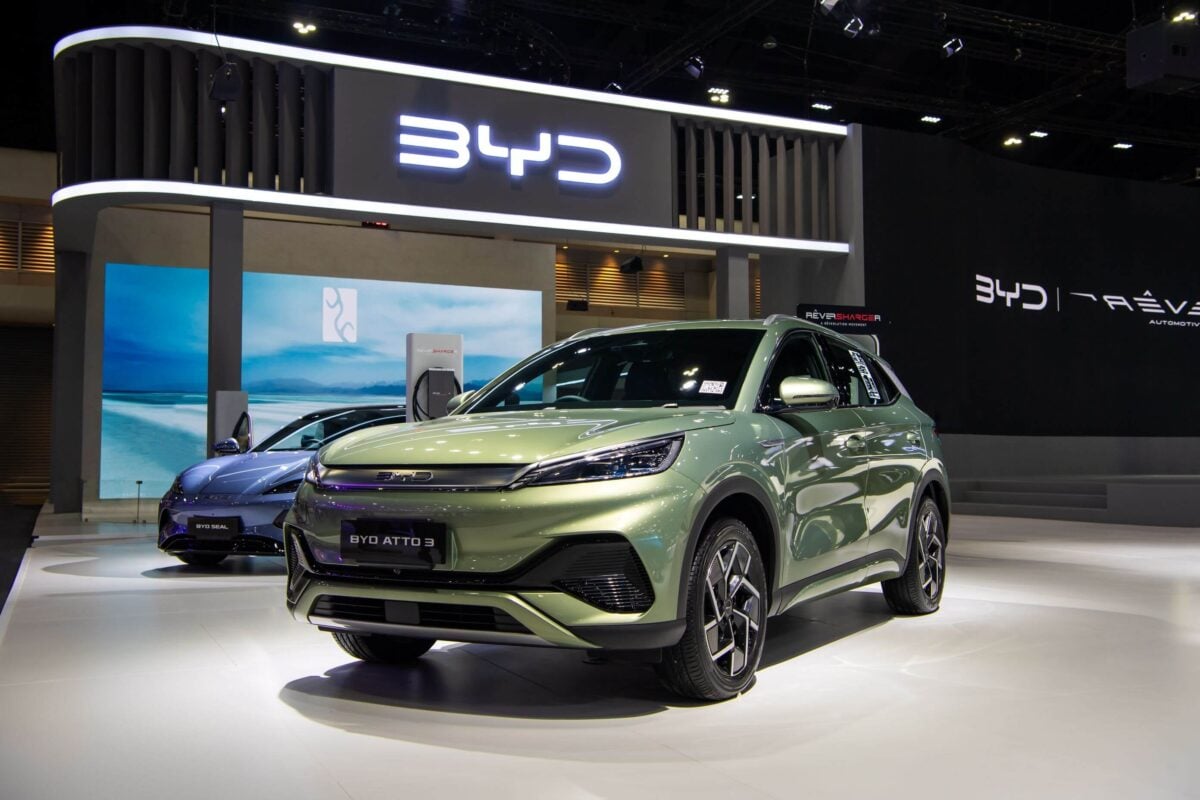
Chinese automakers saw a slight decline in their European market share for October, even after a record-setting September.
Data from Dataforce shows that new electric vehicle (EV) registrations for Chinese brands dropped to 11.8% across the European Union, the European Free Trade Association (EFTA), and the United Kingdom. Meanwhile, their hybrid vehicle sales also fell by around three percentage points to 12.6%.
The decline was largely driven by slower sales in the UK, reflecting regional fluctuations in demand. However, Chinese brands continued to strengthen their presence in other European markets, particularly in Spain and Italy, where cost-sensitive buyers are more receptive to competitively priced vehicles.
Despite the drop, October still represented the second-best month on record for Chinese EV, hybrid, and overall market share in Europe, highlighting the resilience and growth potential of these brands across the continent.
EU Tariffs and Trade Dynamics
The backdrop to these sales shifts is the EU’s anti-subsidy regime, which came into effect in October 2024. Duties on Chinese EV imports range from 7.8% to 35.3% depending on the company. Despite these tariffs, Chinese automakers can continue shipping vehicles to Europe at a profit.
Interestingly, some automakers are emphasizing plug-in hybrid models, a strategy that allows them to sidestep the higher duties levied on battery-electric vehicles. EU officials have described the tariff process as slow and overly cautious, suggesting that the current system provides only a limited deterrent effect.

Meanwhile, diplomatic tensions remain, with Beijing responding to the duties by probing European products including cognac, pork, and dairy. Talks between the EU and China could eventually lead to negotiated price commitments, further shaping the pricing landscape through 2025.
Residual Value Opportunities
Beyond sales numbers, Chinese EVs in Europe are presenting new financial and analytical opportunities. Residual values, the expected resale prices after a vehicle’s lease or holding period, are notably low in Italy (28.5%) and Spain (44.9%), reflecting the cost-sensitive nature of these markets.
This creates openings for fintech, leasing, and insurance firms to develop real-time tools for evaluating total cost of ownership, helping dealers and fleet operators manage stock and financing risks. For instance, battery-electric vehicles take longer to sell in Austria and Italy, over 78 days on average, creating demand for advanced analytics to streamline inventory management.
Rapid technology improvements and the release of cheaper new models are further pressuring resale values, emphasizing the need for real-time valuation frameworks.
Regional Growth and Market Resilience
Overall, Chinese automakers continue to make inroads across Europe, targeting markets that value affordability and technology. Spain and Italy remain key growth areas, while other regions such as Austria face challenges related to slower resale cycles.
Even with the October decline, the sustained market presence of Chinese EVs underscores their long-term potential. For automakers, regulators, and financial institutions, understanding regional demand, tariff impacts, and residual value trends will be critical to navigating Europe’s evolving EV landscape.
Get 3 Free Stock Ebooks
Discover top-performing stocks in AI, Crypto, and Technology with expert analysis.
- Top 10 AI Stocks - Leading AI companies
- Top 10 Crypto Stocks - Blockchain leaders
- Top 10 Tech Stocks - Tech giants


