


TLDRs;
- Coca-Cola outperformed as investors rotated into defensive stocks amid fresh tariff uncertainty.
- Upcoming PCE inflation data could shape expectations for interest rates and market risk appetite.
- The Fed’s January meeting will be key for signals on future monetary policy direction.
- Coca-Cola earnings in February may test whether the stock’s defensive rally can hold.
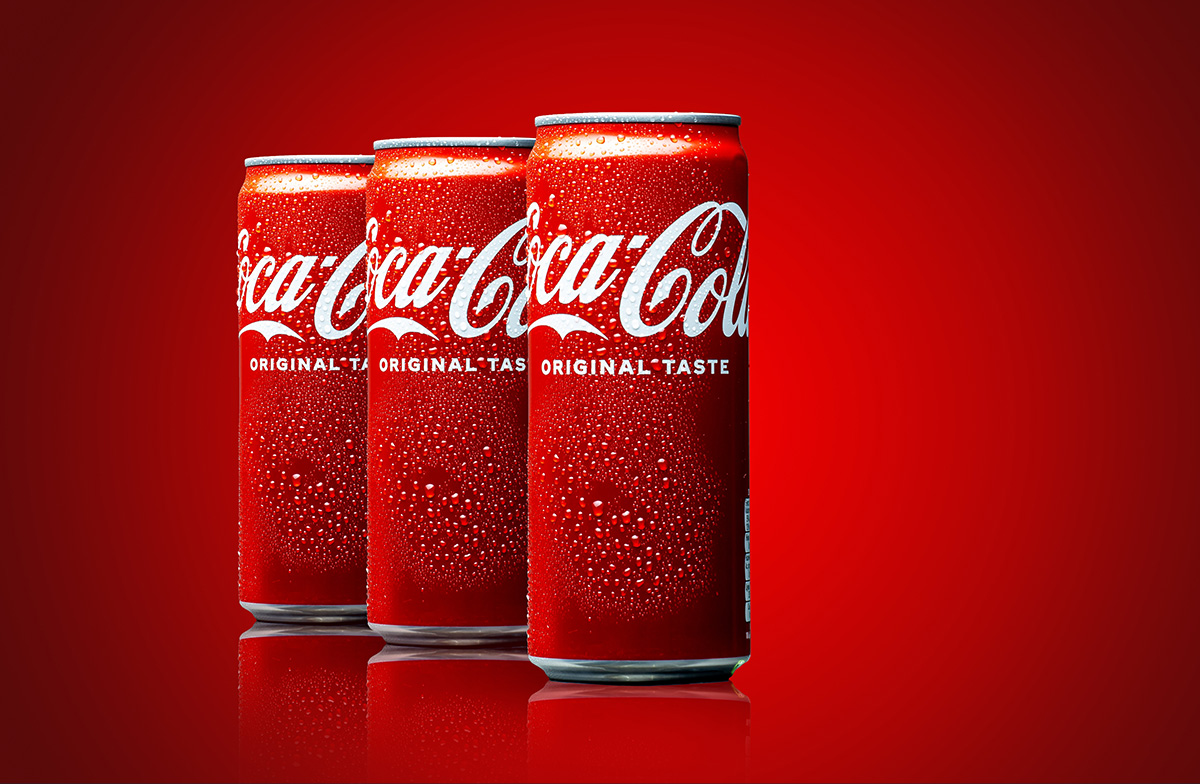
Coca-Cola shares advanced on Tuesday, outperforming a broadly weaker market as investors rotated into defensive consumer staples amid renewed tariff concerns and growing macro uncertainty.
The stock rose nearly 2%, pushing closer to its 52-week high, as trading volumes picked up and risk appetite faded across more cyclical sectors such as technology and industrials.
The move came as fresh rhetoric around potential U.S.–Europe trade tensions unsettled global markets, triggering a classic “risk-off” response. In such environments, investors often seek companies with stable cash flows, global brand strength, and relatively predictable demand, a profile that has long placed Coca-Cola among the market’s preferred safe-haven equities.
With key economic events approaching, including U.S. inflation data, a Federal Reserve policy decision, and Coca-Cola’s own earnings report, the stock’s resilience is drawing increased attention from both short-term traders and long-term institutional investors.
Defensive Rotation Lifts Staples
The broader equity market struggled as tariff headlines resurfaced, raising fears of renewed pressure on global growth and corporate margins. These concerns encouraged investors to trim exposure to higher-beta stocks and shift toward traditionally defensive sectors such as consumer staples, utilities, and healthcare.

Coca-Cola benefited directly from this rotation. As a company with a global distribution network and pricing power across beverages, the group is often viewed as better positioned to weather economic slowdowns and cost volatility. Exchange-traded funds tracking the consumer staples sector edged higher, while technology and cyclical names bore the brunt of the selling pressure.
Market participants described the session as a textbook example of capital moving into stability. Even as some strategists suggested the latest tariff threats could ease once diplomatic discussions resume, the initial uncertainty was enough to reinforce demand for companies perceived as earnings-resilient.
Tariff Fears and Market Mood
The catalyst for the shift in sentiment was renewed talk of trade frictions between the United States and Europe, which revived concerns about potential disruptions to supply chains and cross-border pricing. While analysts cautioned that political rhetoric does not always translate into lasting policy action, the headlines were sufficient to dampen risk appetite in the near term.
For Coca-Cola, the impact of tariffs is more nuanced than for heavy manufacturers, but currency movements, packaging costs, and regional pricing dynamics still matter. Investors therefore continue to watch how management navigates cost pressures while maintaining volume growth across both developed and emerging markets.
At the same time, the company’s scale and brand loyalty provide a buffer, allowing it to pass on some cost increases through pricing without materially hurting demand, a key reason the stock is often favored during uncertain macro periods.
Eyes on PCE Inflation
The next major data point for markets is the U.S. personal consumption expenditures (PCE) price index, the Federal Reserve’s preferred measure of inflation. The release is expected to shape expectations for the path of interest rates in the months ahead.
A softer-than-expected reading could support hopes that inflation is continuing to cool, potentially easing pressure on bond yields and equity valuations. Conversely, a hotter print could revive concerns that restrictive monetary policy will need to stay in place longer, which would likely reinforce the appeal of defensive stocks such as Coca-Cola.
Because consumer staples are generally less sensitive to economic cycles, they often attract inflows when inflation and rate uncertainty rises. How the PCE data comes in could therefore influence whether the recent bid under KO is sustained or merely a short-term reaction.
Fed Decision and Earnings Ahead
Beyond inflation, investors are also focused on the Federal Reserve’s policy meeting later this month. The tone of the central bank’s statement and the Chair’s press conference will be closely scrutinized for any hints about the timing of potential rate cuts or the persistence of restrictive policy.
For Coca-Cola shareholders, the macro picture intersects with company-specific catalysts. The beverage giant is scheduled to report fourth-quarter and full-year results in early February, offering fresh insight into pricing power, volume trends, and the impact of currency movements. Management’s outlook, along with commentary at an upcoming industry conference, is expected to provide clues on how the company plans to navigate 2026 amid shifting consumer demand and global economic crosscurrents.
Get 3 Free Stock Ebooks
Discover top-performing stocks in AI, Crypto, and Technology with expert analysis.
- Top 10 AI Stocks - Leading AI companies
- Top 10 Crypto Stocks - Blockchain leaders
- Top 10 Tech Stocks - Tech giants


