


TLDRs;
- DBS halts hiring for roles likely to be replaced by AI but focuses on retraining and reassignment.
- CEO Tan Su Shan says AI will change how jobs are done, not eliminate the need for human talent.
- Singapore’s top banks plan to retrain 35,000 employees within two years to meet new AI skill demands.
- DBS’s AI models already power 370 use cases, generating over SGD 750 million in productivity gains.
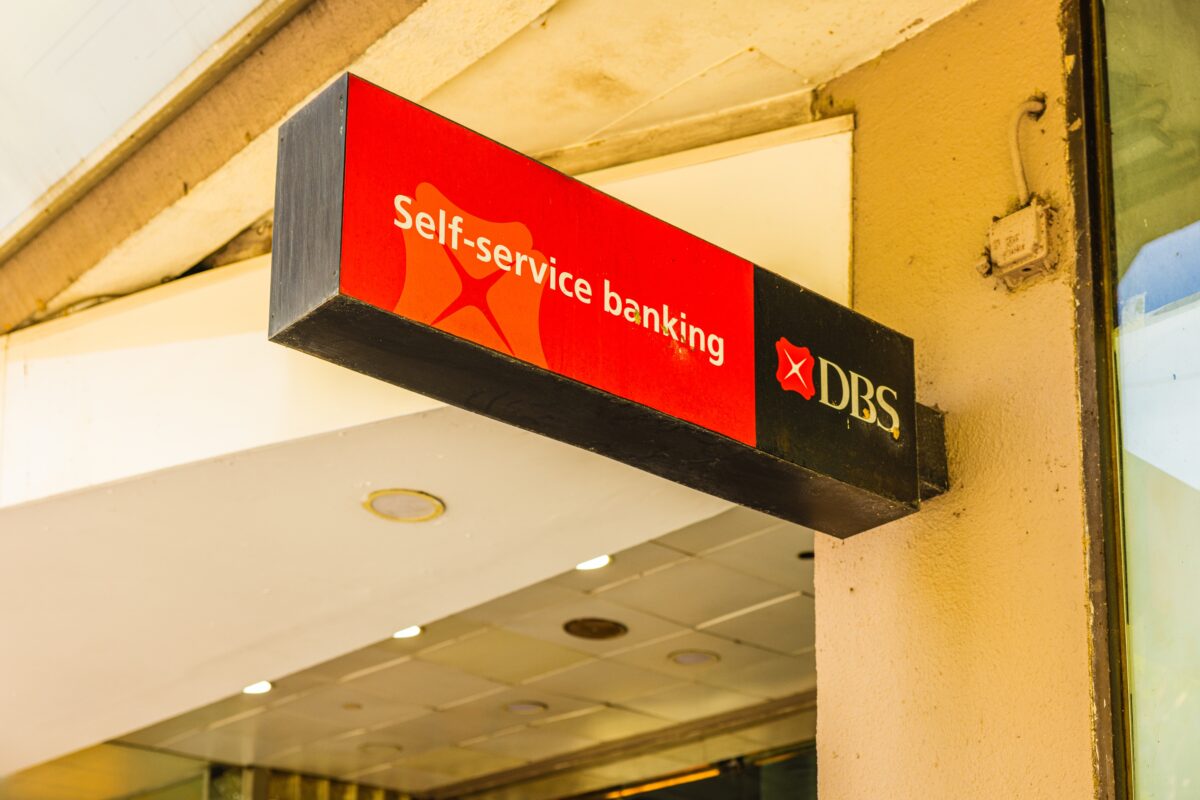
DBS Group Holdings, Singapore’s largest bank, is reshaping its workforce in response to the accelerating rise of artificial intelligence. But rather than cutting staff outright, the bank plans to retool them.
CEO Tan Su Shan clarified that while automation will inevitably redefine job functions, the aim is to “reshape, not erase” the human element in banking.
Speaking to Bloomberg Friday, Tan said DBS has halted new hiring for roles that are likely to be automated and instead launched a comprehensive reskilling initiative for existing employees. The move marks a pivotal shift in how financial institutions are approaching the AI transition, balancing efficiency with workforce stability.
“AI will change what our people do every day,” Tan noted. “But it won’t make people obsolete. It will make them more capable, provided we invest in retraining and adaptation.”
Automation Meets Human Reskilling
The AI transformation has already prompted DBS to restructure workflows across operations, customer service, and credit underwriting. The bank estimates a 10% reduction in headcount, around 4,000 positions, over the next three years, though Tan emphasized that many of these jobs will be redefined rather than eliminated.
This approach builds on DBS’s earlier transformation between 2016 and 2017, when 1,600 staff were reskilled with support from unions. However, this new wave is more complex. AI’s generative capabilities, its ability to “self-create and mimic” across tasks, mean automation could now extend into more analytical functions, from credit risk assessment to recruitment.
Even so, the bank remains cautious. Concerns about AI “hallucinations” have stopped DBS from deploying generative AI in customer-facing chat systems. Instead, front-line staff are being retrained to focus on relationship management and personalized advisory services, areas where human judgment remains indispensable.

Nationwide Reskilling Push Underway
The shift at DBS aligns with a broader national effort to upskill Singapore’s banking workforce. The Monetary Authority of Singapore (MAS) and the country’s three major banks, DBS, OCBC, and UOB, are collaborating to retrain 35,000 employees within one to two years.
This initiative is creating strong demand for Institute of Banking and Finance (IBF)-accredited programs, which equip workers with AI, data analytics, and digital transformation skills. The IBF Standards Training Scheme (IBF-STS) provides funding support for courses that meet national competency benchmarks.
HR technology firms and training platforms are now working with financial institutions to align programs with future-ready skills, from machine learning fundamentals to ethical AI governance. This push is reshaping not just jobs, but the education ecosystem supporting Singapore’s financial industry.
AI as A Growth Engine, Not a Job Killer
For DBS, AI is already proving its worth. The bank has deployed over 1,500 AI models across 370 use cases, delivering more than SGD 750 million in value in 2024 alone. These include automation tools that streamline internal workflows, risk models that refine lending accuracy, and analytics systems that enhance customer targeting.
Despite the scale of AI adoption, DBS continues to present its transformation as a “human-led, technology-enabled” journey. Tan Su Shan said the ultimate goal is to use AI as a co-pilot, augmenting employee performance rather than replacing it.
“Our people are our biggest asset,” she said. “AI gives us the chance to reinvent how we work and serve customers, not to eliminate the human touch, but to amplify it.”
Get 3 Free Stock Ebooks
Discover top-performing stocks in AI, Crypto, and Technology with expert analysis.
- Top 10 AI Stocks - Leading AI companies
- Top 10 Crypto Stocks - Blockchain leaders
- Top 10 Tech Stocks - Tech giants


