


TLDRs;
- Dell stock falls 2.3% as investors weigh AI server costs ahead of Q4.
- Nutanix support added to Dell Private Cloud, expanding enterprise virtualization options for customers.
- High-end AI server demand rises, but rising costs pressure Dell’s profit margins.
- Fiscal Q4 earnings on February 26 will reveal cloud upgrades and AI impact.
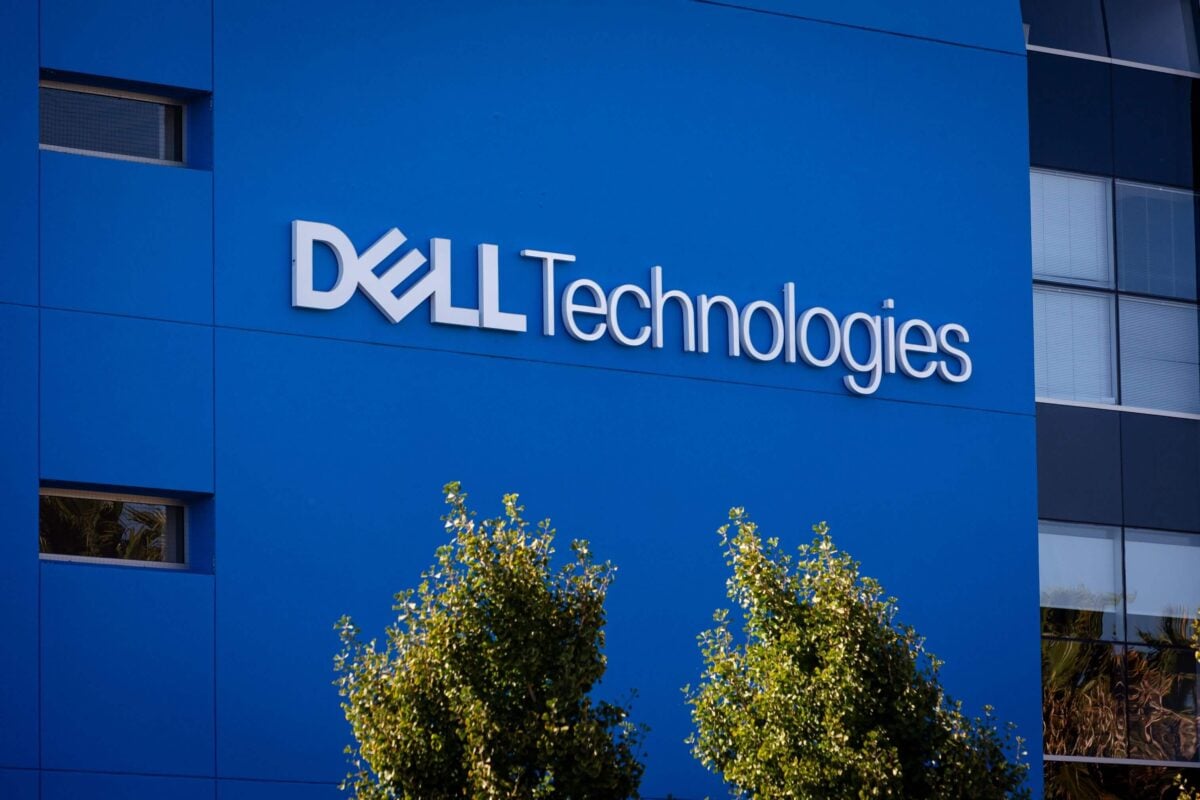
Dell Technologies (DELL) shares declined roughly 2.3% on Wednesday, giving back some of the gains from Tuesday’s session.
The stock dropped $2.89 to close at $123.12, fluctuating between $128.03 and $122.35 during the day. The pullback comes as the company continues its push to expand beyond traditional PC hardware, with the market focusing on its enterprise offerings and upcoming fiscal fourth-quarter results.
Analysts note that while Dell has been actively broadening its footprint in the enterprise sector, investor caution is evident as AI server costs remain a key factor in profitability. The stock has been trading roughly 25% below its 52-week high of $168.08, reached in early November, reflecting the market’s mixed sentiment on Dell’s strategic pivot.
Private-Cloud Upgrade Boosts Enterprise Appea
Dell recently announced that its Private Cloud platform now supports Nutanix’s AHV hypervisor, complementing existing integrations with VMware and Red Hat. This move allows enterprises greater flexibility in virtualization and cloud management. Additionally, Dell’s PowerFlex storage is already available to customers, with PowerStore integration slated for later this summer.
These updates highlight Dell’s continued effort to strengthen its enterprise narrative, signaling to investors that the company is diversifying its revenue streams beyond personal computing. However, while the integration expands product offerings, market participants are closely watching whether these updates will translate into stronger margins and overall earnings growth.

AI Servers Drive Revenue, Pressure Margins
A major factor influencing Dell’s share performance is its reliance on high-end AI servers. These machines, essential for AI model training and deployment, have been a bright spot amid weakness in other hardware segments. In November, Dell raised its fiscal 2026 AI server shipment revenue target to $25 billion, with an $18.4 billion backlog reflecting strong demand.
Still, top-tier AI servers come with significant component costs. COO Jeff Clarke recently noted that costs are moving faster than anticipated, which can tighten profit margins despite solid sales. As competitors vie for large-scale data center contracts, Dell faces pressure to balance pricing, production, and profitability, making investors cautious ahead of the February 26 earnings report.
Investors Eye Upcoming Q4 Results
Dell’s fiscal fourth-quarter results are scheduled for release on February 26 at 3:30 p.m. CST. Investors will pay close attention to indicators of hardware budgets, AI-server sales, and margin performance. With Treasury yields climbing in response to strong U.S. payroll growth and interest rates showing little change, macroeconomic factors could also influence the stock’s trajectory.
Meanwhile, other hardware stocks experienced similar pressure: HP Inc dropped nearly 1%, Hewlett Packard Enterprise declined around 2%, and Super Micro Computer fell roughly 4%. Nvidia was an exception, gaining nearly 2% as AI-related demand supports its growth.
Adding to investor focus, Dell filed a Form 3 with the SEC on February 10, disclosing that Peter Trizzino, president of global sales, owns 98,382 unvested restricted stock units. These RSUs, which vest over time, provide additional insight into executive holdings as insider reporting rules take effect.
Overall, Dell’s recent stock movement reflects a balancing act: strong demand for AI servers and private-cloud capabilities versus the financial realities of rising component costs and competitive pressures. The upcoming earnings report will be a key moment for the company to show whether its enterprise and AI strategies are translating into solid financial results.
Get 3 Free Stock Ebooks
Discover top-performing stocks in AI, Crypto, and Technology with expert analysis.
- Top 10 AI Stocks - Leading AI companies
- Top 10 Crypto Stocks - Blockchain leaders
- Top 10 Tech Stocks - Tech giants


