


TLDRs;
- Delta absorbs a $200M shutdown hit but maintains strong yearly profit guidance.
- Detroit tech outage disrupts operations briefly but not investor confidence long-term.
- Bookings rebound quickly, showing resilient demand heading into early 2026.
- Analysts raise price targets, citing premium revenue strength and solid fundamentals.
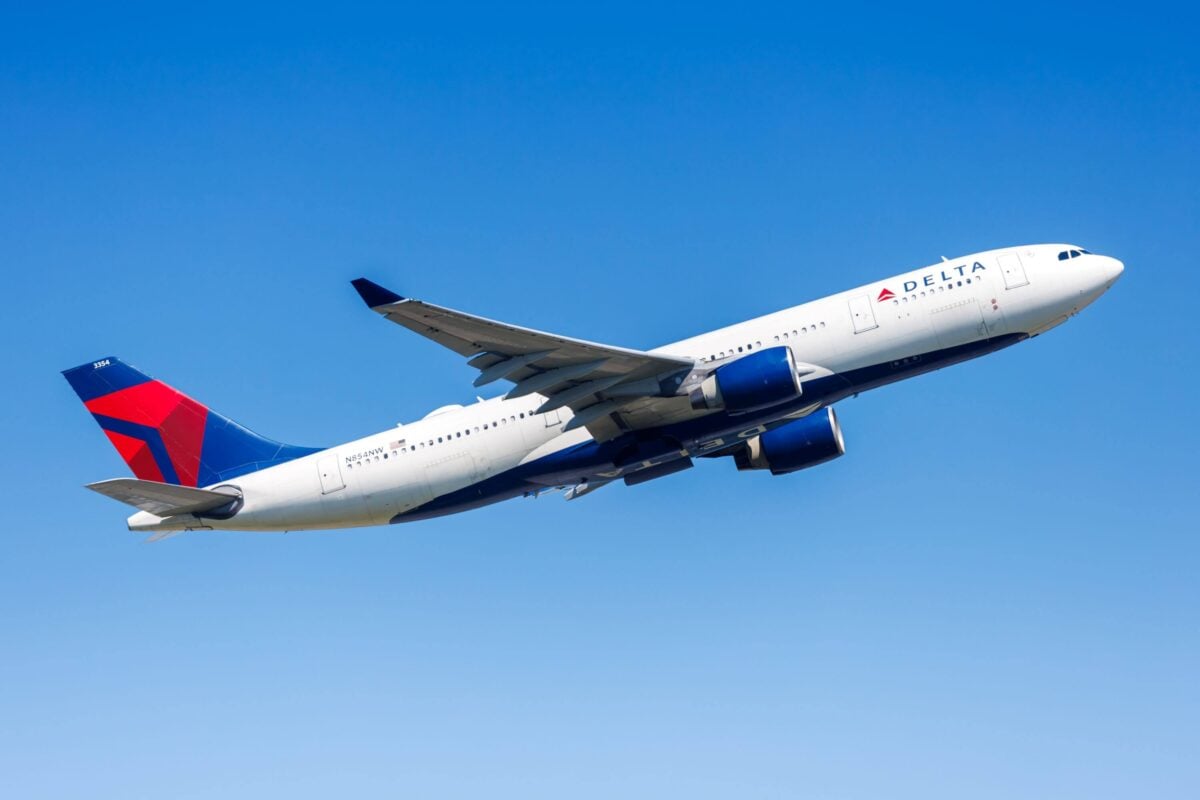
Delta Air Lines (NYSE: DAL) is navigating another turbulent week in the aviation sector, yet investor sentiment remains far from shaky.
Trading near $67 per share at Friday close , the stock sits comfortably below its recent 52-week high of about $70 but remains markedly above its yearly low. The airline has posted a strong multimonth rally, gaining nearly 40% in six months as the company recovers from earlier-year volatility.
With a price-to-earnings multiple around 9–10x and a market cap near $44 billion, Delta enters the final stretch of 2025 with both pressure points and bright spots. The latest setbacks, a federal government shutdown and a major operational outage in Detroit, have introduced new headwinds. Yet Wall Street appears unconvinced that these issues threaten Delta’s overall momentum.
Government Shutdown Hits Profits
The first major blow came from the 43-day U.S. government shutdown, which forced the FAA to restrict domestic flight activity. Delta estimates the shutdown will carve roughly $200 million from its fourth-quarter pre-tax profit, translating to an earnings drag of about $0.25 per share.
The prolonged closure caused widespread disruptions across the industry. Delta saw slower bookings, a spike in refunds, and a temporary drop in demand, particularly ahead of Thanksgiving travel. However, management emphasizes that the setback is temporary, noting that bookings have already returned to trend levels.

Despite the hit, Delta still expects to generate around $5 billion in full-year profit, reinforcing the idea that the shutdown is inconvenient but not destructive. This resilience has been a recurring theme in recent analyst coverage, with many highlighting the company’s ability to absorb one-time shocks without compromising long-term strategy.
Detroit Outage Creates Short-Term Turbulence
On December 5, a technical connectivity failure halted all Delta departures out of Detroit Metropolitan Wayne County Airport (DTW).
Before operations resumed, the outage triggered 36 cancellations and 97 delays, forcing the airline to issue a travel waiver for affected customers.
Although DTW is one of Delta’s most important hubs, investors have largely dismissed the issue as a temporary operational malfunction. The airline’s strong performance metrics throughout 2025, including improved on-time reliability, have helped ease concerns. Analysts widely agree that isolated tech disruptions, while costly, do not signal a structural problem.
Demand Remains Resilient Into 2026
At the recent Morgan Stanley Global Consumer & Retail Conference, Delta stood firm on its outlook: demand for both the December quarter and early 2026 remains “healthy”.
Executive commentary signaled stable travel trends, a quick post-shutdown recovery, and a renewed surge in premium cabin bookings.
Delta’s ability to lean on its premium strategy, loyalty ecosystem, and especially its lucrative partnership with American Express, continues to play a central role in its earnings power. Analysts note that these revenue streams position Delta advantageously compared to peers that rely more heavily on discount or volume-driven segments.
Get 3 Free Stock Ebooks
Discover top-performing stocks in AI, Crypto, and Technology with expert analysis.
- Top 10 AI Stocks - Leading AI companies
- Top 10 Crypto Stocks - Blockchain leaders
- Top 10 Tech Stocks - Tech giants


