


Key Takeaways
- Marathon 21-hour diplomatic session between U.S. and Iran in Pakistan ends without agreement
- Nuclear weapons program emerges as insurmountable sticking point, according to VP JD Vance
- President Trump orders immediate U.S. Navy blockade of Strait of Hormuz shipping lane
- Critical waterway transports approximately 20% of the world’s oil and LNG supplies
- Energy traders anticipate significant price increases when markets open Monday morning
Diplomatic efforts between Washington and Tehran collapsed Sunday in Islamabad, Pakistan, as representatives from both nations departed after more than 21 hours of intensive negotiations that ultimately failed to produce a breakthrough.
Heading the U.S. negotiating team, Vice President JD Vance cited Iran’s refusal to guarantee it would halt its nuclear weapons development as the primary obstacle to reaching an accord.
“We have communicated our non-negotiable positions with absolute clarity, and they have declined to meet our requirements,” Vance stated during a media briefing in Islamabad during the early morning hours Sunday.
Tehran’s foreign ministry characterized the outcome differently, with spokesperson Esmail Baghaei suggesting that expecting resolution of longstanding disputes in a single negotiating round was unrealistic. He emphasized that “diplomatic channels remain open” and indicated willingness to continue engagement.
Negotiators addressed three primary issues during the talks: management of Strait of Hormuz shipping operations, extending the current ceasefire arrangement, and implementing a graduated sanctions reduction framework. Iranian semi-official news outlets characterized American proposals as “unreasonable.”
Since hostilities between the U.S. and Israel commenced in late February, Iran has maintained an effective shutdown of commercial traffic through the Strait of Hormuz. This critical chokepoint facilitates the passage of roughly one-fifth of global oil and liquefied natural gas shipments worldwide.

On Sunday, two unloaded supertankers attempted to navigate through the strait. Both vessels reversed course precisely as the diplomatic talks concluded.
Presidential Order Initiates Naval Blockade
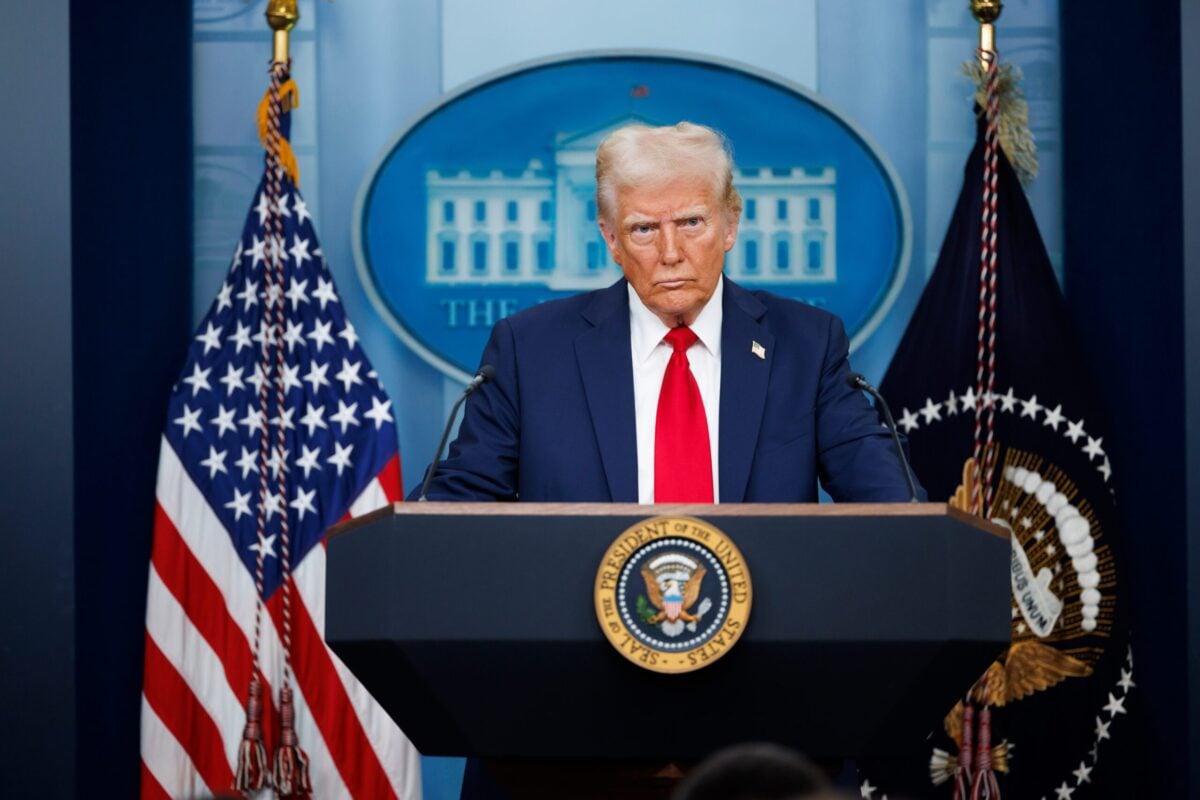
In the hours following the negotiation breakdown, President Trump utilized his Truth Social platform to announce that U.S. Naval forces would commence immediate blockade operations in the Strait of Hormuz.
“Effective immediately, the United States Navy will begin the process of blockading any and all ships trying to enter or leave the Strait of Hormuz,” Trump wrote.
Trump further declared that naval vessels would intercept any ship navigating international waters that had remitted passage fees to Iranian authorities. “No one who pays an illegal toll will have safe passage on the high seas,” he stated.
The president characterized the negotiating session as productive, noting that “most points were agreed,” while acknowledging the fundamental impasse surrounding Iran’s nuclear ambitions.
Energy Markets Prepare for Volatility
Market observers anticipate substantial increases in crude oil and natural gas valuations when trading commences Monday. Nick Twidale, serving as chief market analyst at AT Global Markets in Sydney, noted that optimism had been building throughout the previous week in anticipation of the negotiations.
“This could set us back to levels that we were trading at prior to the ceasefire announcement,” Twidale said. “I would think we will see oil open higher alongside the dollar.”
The fragile two-week ceasefire agreement, finalized last week, now faces uncertain prospects. Pakistani officials, serving as host nation for the discussions, described the talks as “constructive” and pledged ongoing facilitation efforts.
The ongoing conflict has claimed more than 5,600 lives throughout Iran, Lebanon, and surrounding territories. U.S. Central Command reports that thirteen American military personnel have been killed.
Israeli Prime Minister Benjamin Netanyahu asserted that enriched nuclear materials must be extracted from Iran regardless of whether a diplomatic settlement is achieved.
Get 3 Free Stock Ebooks
Discover top-performing stocks in AI, Crypto, and Technology with expert analysis.
- Top 10 AI Stocks - Leading AI companies
- Top 10 Crypto Stocks - Blockchain leaders
- Top 10 Tech Stocks - Tech giants


