


TLDRs;
- ElevenLabs partners with Michael Caine and Matthew McConaughey to create AI-generated voices for commercial use.
- McConaughey’s newsletter will be translated into Spanish using his AI voice, marking global content expansion.
- ElevenLabs launches a marketplace granting brands access to authorized celebrity AI voices, including Liza Minnelli.
- Licensing gaps and consent steps raise concerns for AI-generated celebrity voices in advertising and media.
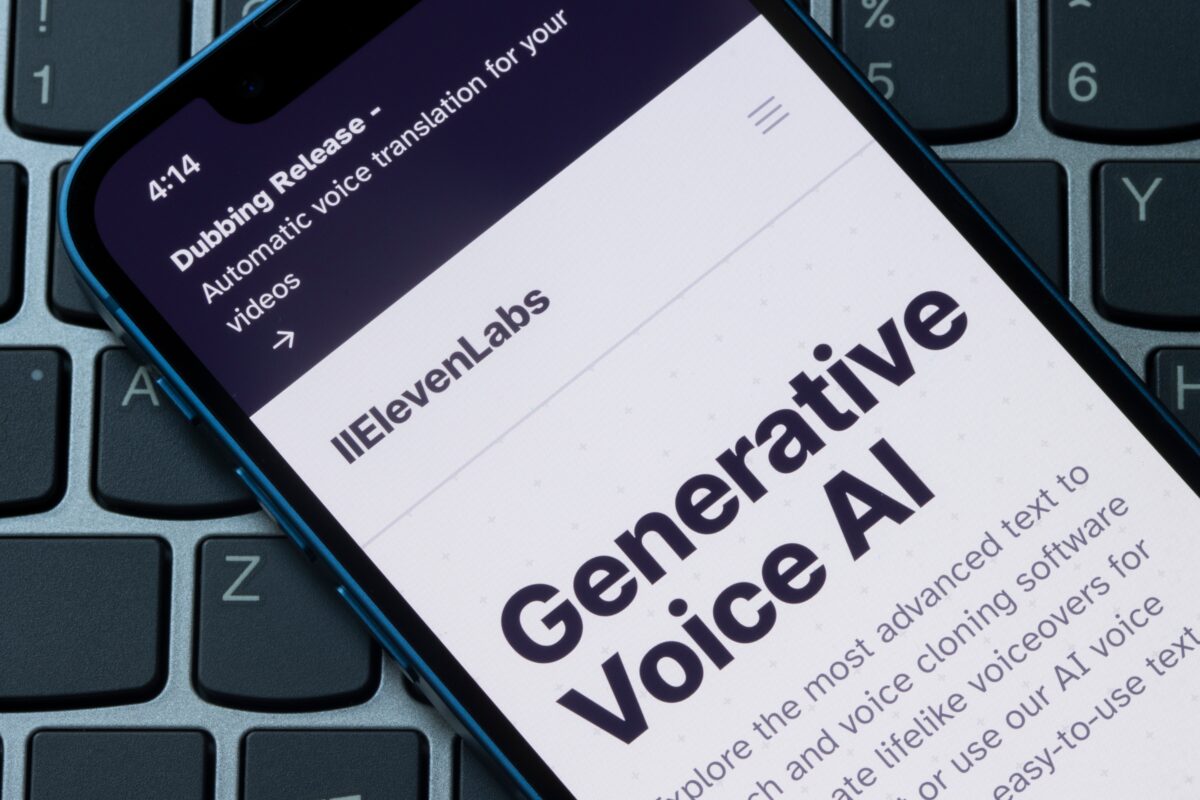
ElevenLabs, a rising AI audio company, has officially partnered with Hollywood icons Michael Caine and Matthew McConaughey to bring AI-generated versions of their voices to the market.
The collaboration represents a significant step in the emerging space of synthetic audio, where technology recreates celebrity voices for commercial and creative applications.
The company emphasized that McConaughey’s popular newsletter will now be available in Spanish using his AI-generated voice, allowing a broader international audience to engage with his content. By combining artificial intelligence with established celebrity influence, ElevenLabs aims to create entirely new ways for brands and media to communicate with audiences.
Marketplace Opens to Brands
Alongside these partnerships, ElevenLabs announced a new marketplace that lets brands access authorized AI-generated celebrity voices. Besides Caine and McConaughey, the platform features voices from stars like Liza Minnelli and the late Dr. Maya Angelou.
This marketplace enables businesses to license voices for advertisements, campaigns, and multimedia projects while theoretically ensuring that proper permissions and compensations are in place.
While other tech companies have explored similar initiatives, such as Meta’s AI voice assistants inspired by Kristen Bell and Judi Dench, ElevenLabs’ marketplace is distinct in its emphasis on celebrity licensing. Still, questions remain about the platform’s operational transparency and the economics behind the licensing deals.

Licensing Gaps and Consent Challenges
Despite its promise, ElevenLabs’ marketplace highlights unresolved challenges around AI-generated celebrity voices.
Official documentation provides little detail on pricing structures, exclusivity rules, or revenue sharing, leaving companies uncertain about scaling their campaigns.
Moreover, consent procedures remain ambiguous. Brands must request approval from rights holders and negotiate terms individually, a process with unclear timelines or rejection rates. This complexity could slow adoption and raise legal risks, particularly if a voice is used in ways not fully authorized.
Security and Misuse Considerations
The rise of AI-generated celebrity voices also triggers security concerns. Telecom providers and call centers, for instance, risk liability when using licensed voices, as every call could constitute impersonation. Tools like Hiya’s Deepfake Voice Detector are increasingly vital to identify unauthorized AI audio.
Advertising technology firms are similarly cautious. A single unverified deepfake voice in a campaign could halt ad spending and attract regulatory scrutiny.
Consequently, B2B startups focused on watermarking, audio verification, and managed threat detection see growing demand. Even authorized celebrity voices can be exploited for phishing or social engineering, prompting companies to invest in 24/7 monitoring solutions.
The Future of Celebrity AI Voices
ElevenLabs’ latest moves underscore the growing intersection of AI, celebrity influence, and digital media.
While the potential for innovative marketing, accessibility, and content localization is substantial, the ecosystem must navigate licensing, consent, and security challenges carefully.
As synthetic audio becomes more mainstream, stakeholders from tech, legal, and creative industries will likely define the standards that balance innovation with ethical and legal safeguards.
Get 3 Free Stock Ebooks
Discover top-performing stocks in AI, Crypto, and Technology with expert analysis.
- Top 10 AI Stocks - Leading AI companies
- Top 10 Crypto Stocks - Blockchain leaders
- Top 10 Tech Stocks - Tech giants


