


Quick Overview
- Ethereum maintains dominance in DeFi total value locked, stablecoin circulation, and institutional blockchain adoption, though Dencun upgrades may impact ETH value accrual
- Solana surpasses Ethereum in decentralized exchange trading volumes and attracts significant retail user engagement
- ETH benefits from superior tokenomics: deflationary fee burning via EIP-1559, reduced post-Merge issuance, and fairer initial distribution
- SOL continues experiencing inflation, burns only partial base fees, and launched with concentrated insider allocations
- Ethereum appeals to risk-averse investors seeking stability; Solana targets those pursuing higher-risk growth opportunities
Ethereum and Solana represent two of the cryptocurrency market’s most closely monitored assets. While frequently pitted against each other, these platforms cater to distinct investor profiles with unique value propositions.
Ethereum maintains its position as crypto’s primary settlement infrastructure. It commands leadership across decentralized finance total value locked, stablecoin operations, and enterprise blockchain implementations. DefiLlama’s analytics confirm Ethereum’s substantial advantage over rival networks in these metrics.
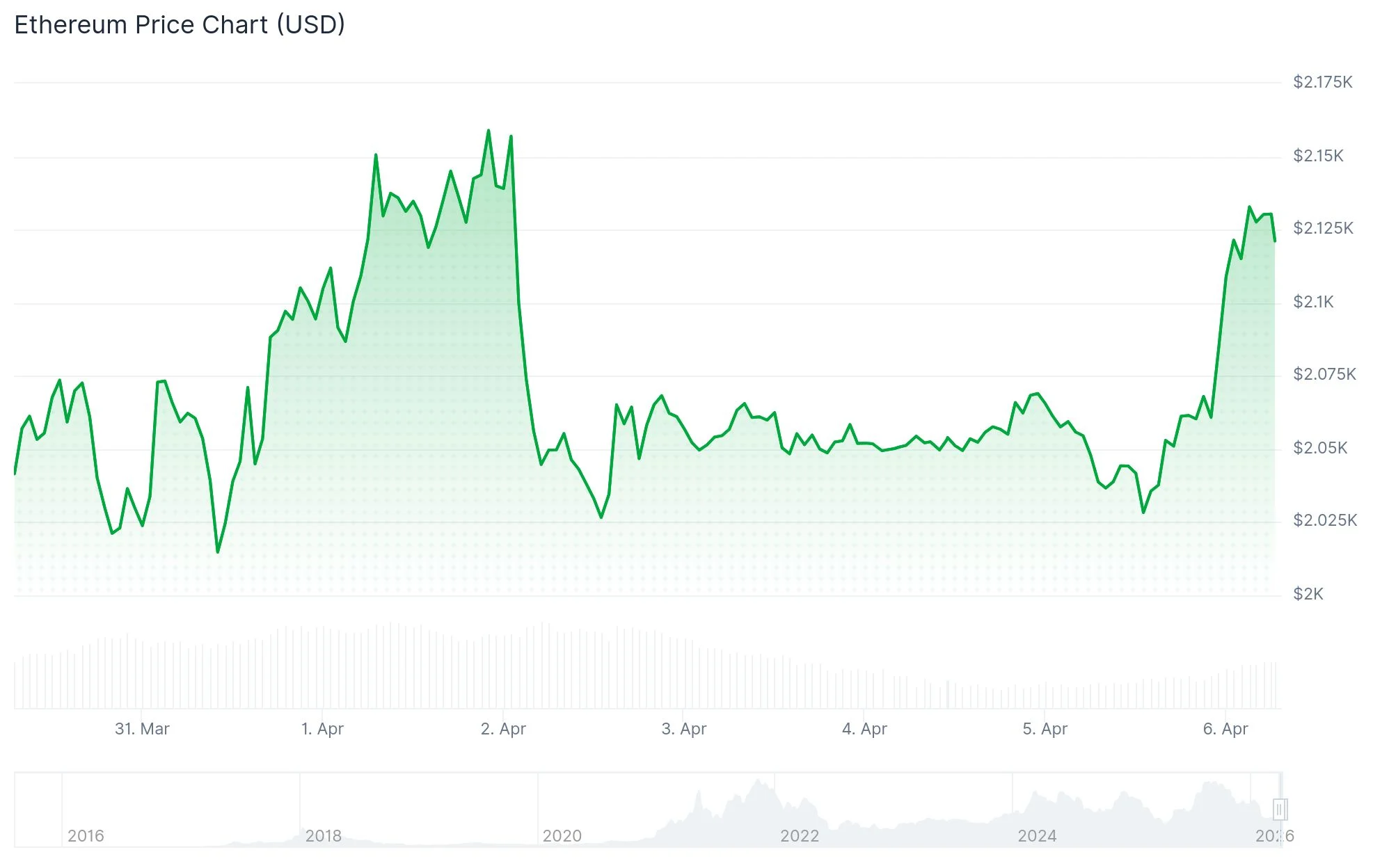
The layer-2 rollup infrastructure surrounding Ethereum, monitored by L2Beat, currently processes greater transaction volumes than the mainnet. This demonstrates successful scaling implementation, despite most expansion occurring through secondary layers rather than the primary chain.
Ethereum’s Dencun enhancement brought blob transactions, substantially reducing rollup costs for end users. However, decreased fee generation also diminishes ETH token burning through EIP-1559, potentially weakening the deflationary mechanism investors depend upon.
Solana employs a contrasting architecture. Its unified, high-speed, low-cost base layer handles all operations directly. This streamlined design has proven attractive for trading activities and mainstream cryptocurrency applications.

Recent DefiLlama snapshots reveal Solana producing superior DEX trading volumes compared to Ethereum. This indicates robust retail participation and vibrant on-chain market activity.
Tokenomics Analysis
ETH serves multiple functions: transaction fees, staking collateral, and network security. Following the Merge transition, new ETH emission rates decreased dramatically versus the proof-of-work era. EIP-1559’s base fee burning mechanism provides genuine, though variable, value capture for token holders.
Solana maintains continuous inflation, albeit with declining rates over time. Only partial base fees undergo burning. Priority fees flow directly to validators rather than benefiting all token holders proportionally.
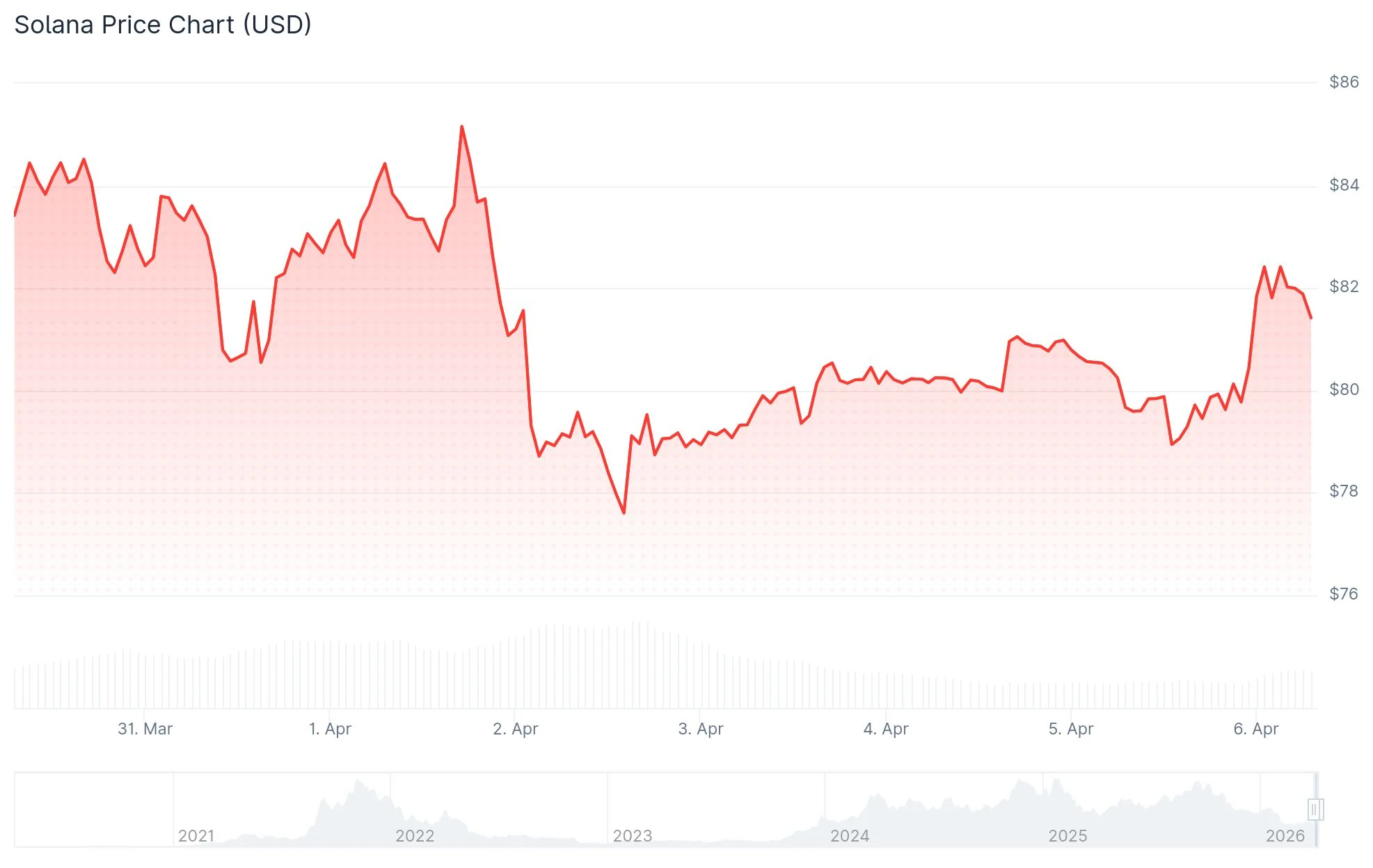
Solana’s staking rewards require careful examination. Returns partially derive from new token emissions, creating dilution for non-staking holders.
Solana’s initial token distribution favored insiders significantly more than Ethereum’s launch, with substantial allocations directed toward early backers, development teams, and foundation reserves. While major vesting periods have concluded, the original allocation structure remains relevant when evaluating centralization concerns.
Aligning Assets With Investor Profiles
Ethereum serves investors prioritizing reduced risk exposure. It offers a broader developer community, deeper institutional relationships, and more established infrastructure positioning within cryptocurrency markets.
Solana targets investors accepting elevated risk levels. Its platform delivers superior speed and user experience currently, while its ecosystem exhibits greater momentum-based growth patterns.
Solana’s appreciation potential hinges on sustained market share gains in trading and consumer applications. Its inferior value capture mechanisms and persistent inflation present genuine concerns requiring appropriate risk assessment.
Ethereum’s investment thesis centers on asset tokenization, stablecoin expansion, and enduring settlement layer demand. This narrative progresses gradually but enjoys stronger institutional support.
Concluding Analysis
Both cryptocurrencies occupy legitimate positions within the digital asset landscape. Ethereum represents the conservative, proven option. Solana offers the aggressive, growth-oriented alternative. The appropriate choice depends entirely on individual risk tolerance and investment objectives.
Get 3 Free Stock Ebooks
Discover top-performing stocks in AI, Crypto, and Technology with expert analysis.
- Top 10 AI Stocks - Leading AI companies
- Top 10 Crypto Stocks - Blockchain leaders
- Top 10 Tech Stocks - Tech giants


