


Key Takeaways
- The New York Stock Exchange’s parent company has pledged up to $2 billion to Polymarket, while Kalshi achieved a $22 billion valuation in its latest funding round backed by Coatue Management.
- JPMorgan Chase’s CEO Jamie Dimon revealed to CBS that the banking giant is exploring prediction market offerings, and Goldman Sachs’ chief executive described the industry as highly compelling.
- The fundamental legal status of prediction markets remains contested, with regulatory bodies and courts yet to definitively classify them as either financial contracts or gambling activities—sports betting makes up roughly 90% of Kalshi’s trading volume.
- Legislative efforts to restrict prediction markets have emerged in at least twelve states, while forty Democratic lawmakers have requested federal training programs addressing insider trading risks in these platforms.
- Survey data from Truist Securities reveals that 60% of participants suspect insider trading occurs on prediction markets, highlighting concerns about market integrity and oversight.
Major financial institutions are flooding prediction markets with capital. Yet the industry’s trajectory hinges on an unresolved fundamental question: should these platforms be regulated as financial instruments or gaming operations?
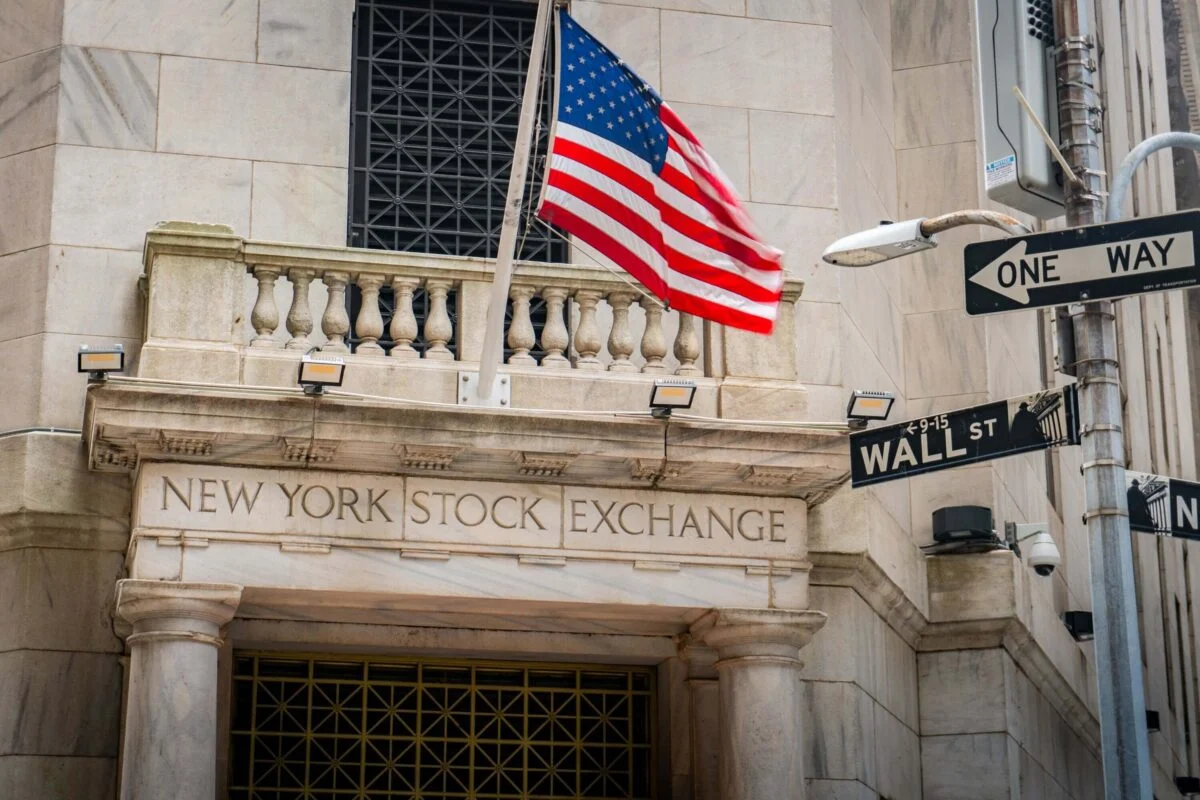
Intercontinental Exchange, which owns the New York Stock Exchange, disclosed an additional $600 million commitment to Polymarket last week. This brings ICE’s total investment pledge to $2 billion, building on a $1 billion position established in October 2025.
Just prior to that announcement, Coatue Management spearheaded a financing round that assigned Kalshi a $22 billion enterprise value.
JPMorgan Chase’s chief executive discussed his institution’s interest in entering the prediction market sector during a recent interview. He indicated any such offering would exclude political and sporting events while maintaining rigorous standards against insider trading.
David Solomon, leading Goldman Sachs, addressed the topic during his company’s quarterly earnings discussion, characterizing the sector as highly compelling and noting significant internal resources dedicated to assessing potential integration opportunities.
Consumer-facing fintech companies have already moved into the space. Robinhood, Crypto.com, Coinbase, and Gemini now offer prediction market features, and industry sources suggest Binance is developing comparable functionality.

Proprietary trading operations and investment funds are establishing positions as well. Jump Trading, Susquehanna International Group, DRW, AQR Capital Management, Millennium Management, and Andreessen Horowitz have engaged through various combinations of active trading, technology development, and equity stakes.
Financial information providers such as Bloomberg, Google Finance, and CNBC have begun integrating prediction market pricing into their data offerings.
Regulatory Ambiguity Threatens Industry Foundations
Despite substantial capital inflows, the legal framework governing prediction markets remains undefined.
Should courts determine these contracts qualify as derivatives, platforms would likely continue operations under federal commodity regulations. Such a determination would simultaneously disrupt traditional gambling sectors and impact state revenues derived from gaming taxes.
Conversely, if sporting event contracts receive a gambling classification, it could eliminate the majority of platform activity. Sports-related agreements currently represent approximately 90% of Kalshi’s transaction volume.
A 2024 federal court decision determined the CFTC exceeded its authority when attempting to prohibit Kalshi’s political event offerings. The regulatory agency abandoned its appeal in 2025. However, the ruling failed to establish binding appellate precedent, leaving the classification of additional contract types—particularly sports wagering—subject to future legal challenges.
Numerous states have already initiated enforcement measures against prediction market operators. Legislative proposals to constrain or prohibit these platforms have surfaced in at least twelve state legislatures.
At the national level, forty Democratic members of Congress jointly requested this week that the current administration implement comprehensive government training on insider trading risks specific to prediction markets.
Platform Credibility Questions Accompany Rising Valuations
Market integrity represents another significant challenge confronting the sector.
Research conducted by Truist Securities indicates 60% of survey participants believe insider trading activities occur on prediction platforms. Unlike conventional financial markets, prediction platforms frequently facilitate wagering on real-world events where informational asymmetries prove difficult to monitor and regulate.
Both Kalshi and Polymarket implemented updated compliance frameworks in March designed to prevent insider trading and market manipulation. The effectiveness of these policy implementations awaits demonstration through enforcement actions.
Polling data commissioned by the advocacy organization Gambling is Not Investing suggests most Americans perceive sports event contracts as gambling activities. Despite originating from an industry opposition group, the findings underscore a public perception hurdle the sector must address.
Prediction markets have encountered a more accommodating federal regulatory environment under the current Trump administration. Donald Trump Jr. maintains advisory positions with both Kalshi and Polymarket and has reportedly taken an investment stake in Polymarket.
This week’s congressional letter from forty Democratic lawmakers requesting enhanced oversight indicates the political conversation surrounding these platforms continues to evolve.
Get 3 Free Stock Ebooks
Discover top-performing stocks in AI, Crypto, and Technology with expert analysis.
- Top 10 AI Stocks - Leading AI companies
- Top 10 Crypto Stocks - Blockchain leaders
- Top 10 Tech Stocks - Tech giants


