


Key Takeaways
- Ford’s petition for aluminum import tariff exemptions has been denied by the Trump administration.
- A pair of fires at Novelis’s Oswego, New York facility disabled America’s biggest automotive aluminum supplier through at least June 2026.
- The automaker has already incurred $2 billion in losses from the plant shutdown and anticipates another $1 billion in imported aluminum expenses for 2026.
- The 50% import duty on aluminum has permeated domestic pricing structures, forcing purchasers to absorb these costs regardless of aluminum origin.
- Auto manufacturers could encounter escalating expenses as revised tariff regulations apply duties to complete product values instead of solely metal components.
Shares of Ford Motor (NYSE: F) experienced downward pressure following news that the White House has denied the company’s petition for exemptions from aluminum import duties.
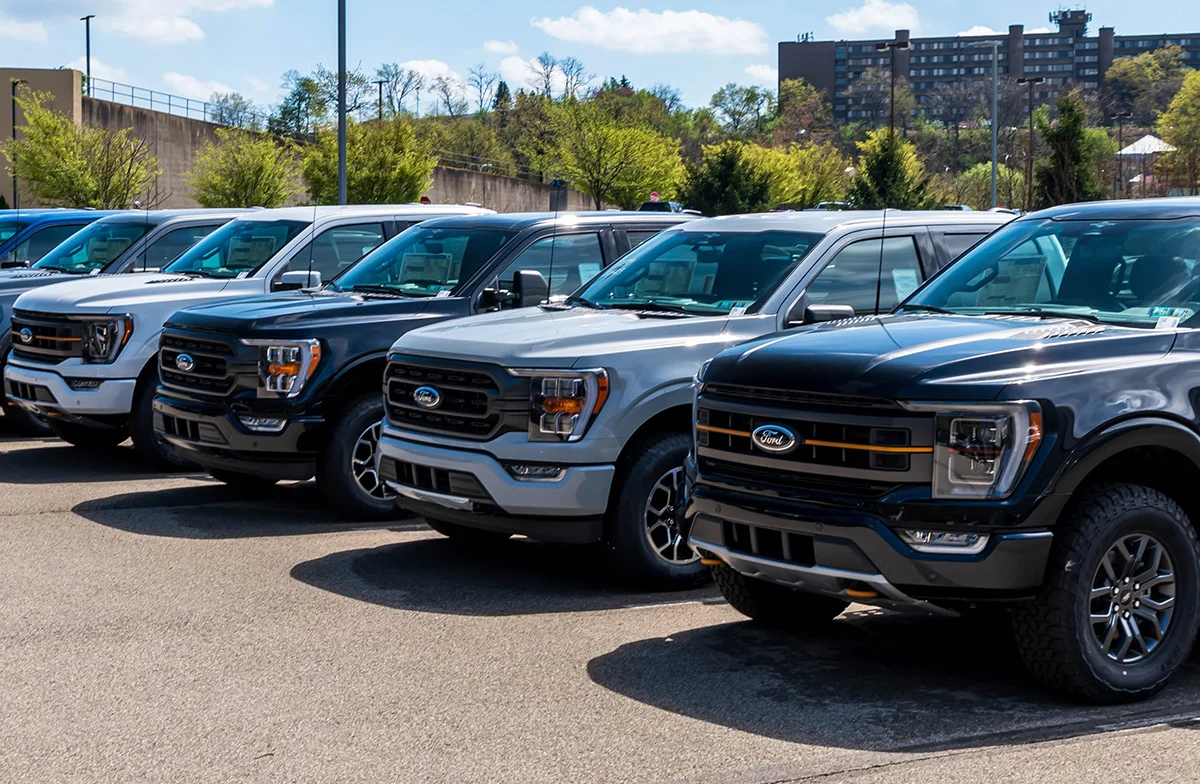
As America’s top-selling vehicle, the F-150’s aluminum-intensive construction leaves Ford particularly vulnerable to the ongoing supply shortage.
Supply Disruption Meets Trade Policy
The Novelis aluminum processing facility in Oswego, New York, suffered two separate fires during the final months of 2025. This operation represents the nation’s primary source of automotive-grade aluminum sheet, distributing materials to approximately twelve manufacturers, including Ford, General Motors, and Stellantis.
The fires damaged the facility’s rolling operations where aluminum gets transformed into thin sheets suitable for stamping vehicle body components. Production has remained halted since the incidents, with complete operational restoration not anticipated before June 2026 at the earliest.

Novel is, owned by India-based Hindalco Industries, has resorted to importing aluminum from its European and South Korean facilities to compensate for the production gap. However, these imported materials face a 50% tariff under existing trade policies, creating additional costs that cascade to automotive manufacturers.
In February, Ford disclosed it had already sustained $2 billion in damages related to the production disruption. The company projects an additional $1 billion in expenses for imported aluminum throughout 2026.
Administration Stands Pat on Tariff Policy
Ford submitted its formal request to the administration within recent weeks, seeking temporary exemption from aluminum duties until the Oswego facility resumes operations. The White House has maintained its position without granting any concessions.
Administration representatives referenced earlier relief measures provided on automotive components, where manufacturers received partial reimbursement on 25% component tariff expenses. A White House spokesperson indicated that automakers “have raised supply concerns in light of the Novelis incident” but haven’t pursued the tariff exemption request “in a particularly pronounced way.”
The landscape could become increasingly complex. Updated tariff regulations fundamentally alter how metal-related duties are calculated—transitioning from assessments based solely on metal content to levies applied against the complete value of finished goods containing aluminum or steel. Under this framework, aggregate tariff obligations are projected to increase for numerous products.
Complicating matters further, the 50% aluminum tariff already factors into domestic aluminum pricing through a delivery surcharge that buyers must pay. This premium currently stands at approximately $2,500 per metric ton, based on S&P Global Energy data.
One industry analyst observed: “Even if this fire had never happened, they’d still be paying the delivery premium, which includes the tariff.”
Ford continues engaging with the administration as part of wider industry consultations regarding tariff implications. To date, no exemptions have been authorized.
Get 3 Free Stock Ebooks
Discover top-performing stocks in AI, Crypto, and Technology with expert analysis.
- Top 10 AI Stocks - Leading AI companies
- Top 10 Crypto Stocks - Blockchain leaders
- Top 10 Tech Stocks - Tech giants


