


TLDR
- GameStop plans to close at least 470 stores across the U.S. by the end of January 2026
- California will see the most closures with 50 stores, followed by Texas with 44 and New York with 30
- Total store closures over the past two years will reach approximately 1,000 locations
- The company will be left with fewer than 2,000 stores, down from over 6,000 during its peak
- CEO Ryan Cohen purchased 500,000 additional shares at $21.12, increasing his stake to 9.2%
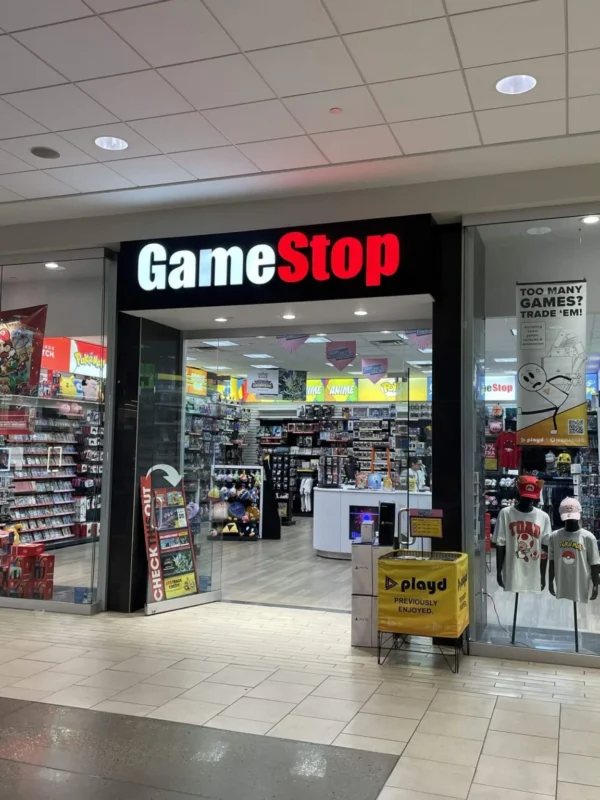
GameStop is closing at least 470 stores across the United States by the end of January 2026. The closures represent another chapter in the video game retailer’s ongoing struggle to maintain its physical presence.
California leads the shutdown list with 50 stores closing this month. Texas follows with 44 closures, while New York will lose 30 locations.
Florida and Pennsylvania round out the top five states with 25 and 24 closures respectively. The data comes from an online compilation tracking GameStop store shutdowns across the country.
These January closures push the two-year total to roughly 1,000 shuttered locations. The pace of closures shows no signs of slowing down for the brick-and-mortar retailer.
The company’s footprint has shrunk dramatically from its glory days. GameStop once operated more than 6,000 stores across America during its peak years.

After this month’s closures wrap up, fewer than 2,000 stores will remain. That’s a reduction of over two-thirds from the company’s maximum store count.
CEO Increases Personal Stake
Ryan Cohen made a move that caught investors’ attention on the same day the closure news emerged. The GameStop CEO purchased an additional 500,000 shares at an average price of $21.12 per share.
An SEC filing revealed the details of Cohen’s purchase. His ownership stake now stands at approximately 9.2% of the company.
Cohen’s total holdings include more than 41.5 million shares. This figure includes roughly 3.7 million warrants in addition to his common stock.
The CEO first took a major stake in GameStop back in 2020. He assumed the chief executive role in 2023 after years of investor activism.
Performance-Based Compensation Structure
Cohen has been granted large performance-based stock options as part of his compensation package. These options are tied to aggressive long-term targets for the company.
The share purchase sent GameStop stock higher despite the store closure announcements. Investor sentiment appeared to improve on the news of Cohen’s increased commitment.
The video game retail sector continues to face pressure from digital downloads and online marketplaces. Physical game sales have declined as more consumers opt for digital purchases.
GameStop’s store reduction strategy appears to be an attempt to right-size its operations. The company is adjusting to the changing landscape of video game distribution.
The closure data shows the shutdowns are concentrated in major population centers. States with the largest GameStop presence are seeing the most closures.
Get 3 Free Stock Ebooks
Discover top-performing stocks in AI, Crypto, and Technology with expert analysis.
- Top 10 AI Stocks - Leading AI companies
- Top 10 Crypto Stocks - Blockchain leaders
- Top 10 Tech Stocks - Tech giants


