


Key Takeaways
- Both NYSE and Nasdaq remain closed Friday, April 3, 2026, observing Good Friday
- Normal trading hours return Monday morning at 9:30 a.m. Eastern time
- Fixed income markets, CME Globex, and Cboe Futures Exchange observe the closure
- Banking institutions and postal services operate normally as Good Friday lacks federal holiday status
- Pre-holiday and post-holiday trading patterns may affect market sentiment when trading resumes
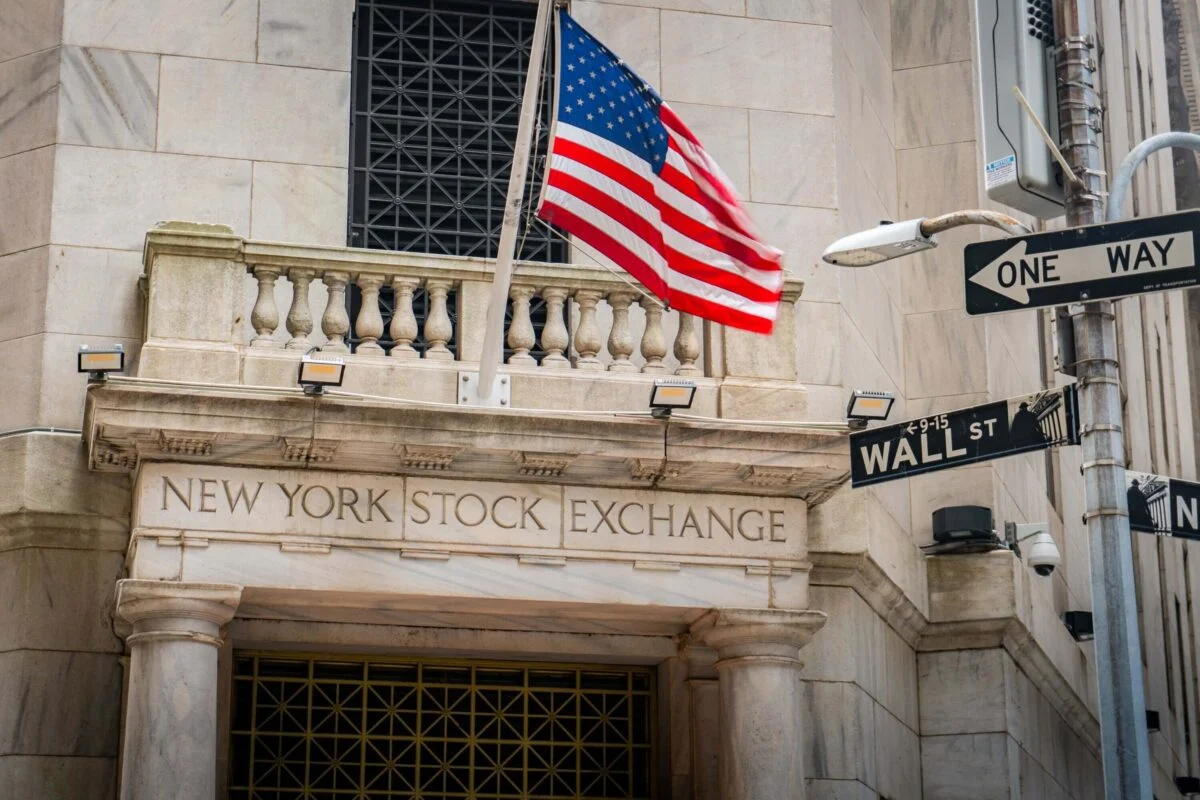
American equity markets take a pause today for the Good Friday observance, providing traders with an extended weekend following a volatile opening quarter of 2026.
Both the New York Stock Exchange and Nasdaq Stock Market cease operations on April 3. Regular trading activity will recommence Monday morning when opening bells ring at 9:30 a.m. Eastern.
The shutdown extends beyond stock trading. Fixed income markets concluded early yesterday at 2 p.m. Today’s closures encompass the CME Globex system, Cboe Futures Exchange, and OTC trading platforms.
The market pause follows a challenging period for market participants. Software stocks experienced significant declines beginning in late January amid growing anxiety about artificial intelligence-driven market disruption. These concerns subsequently affected additional sectors, notably private credit markets.
Geopolitical tensions involving Iran, which escalated in late February, compounded market stress. This uncertainty drove capital flows toward defensive positions and away from higher-risk investments.
Numerous major overseas exchanges join the closure today. The London Stock Exchange, Euronext Paris, Stock Exchange of Hong Kong, and Frankfurt Stock Exchange all suspend trading.

However, not all international venues observe the holiday. The Shanghai Stock Exchange and Tokyo Stock Exchange maintain standard operating schedules today.
Certain foreign markets will extend closures through Easter Monday. Both the London Stock Exchange and Euronext Paris remain shut when the week begins.
Financial Services Continue Operating
Good Friday doesn’t appear among the 11 federal holidays recognized by the Federal Reserve. Consequently, banking institutions maintain regular hours today, with branches at Capital One, Wells Fargo, and JPMorgan Chase serving customers.
The United States Postal Service maintains full operations. Mail carriers complete their routes and post office facilities remain accessible.
Private shipping companies continue service as well. UPS and FedEx provide standard pickup and delivery options today. Their retail storefronts also welcome customers.
Trading Patterns Around Extended Weekends
Market observers often monitor what analysts call the “holiday effect” surrounding extended weekends. This phenomenon describes typical price increases preceding holidays followed by subdued movement afterward.
One theory behind pre-holiday rallies suggests elevated consumer expenditure during holiday periods may boost retail company valuations.
Post-holiday sluggishness sometimes correlates with reduced trader participation. Lower trading volumes can produce atypical price action compared with standard sessions.
Yet not every trader disengages during holidays. Some view reduced activity as an opportunity to execute strategies while competition steps aside.
Markets entered this April 3 closure with investors already navigating months of turbulence stemming from AI-related uncertainty and escalating international conflicts.
Get 3 Free Stock Ebooks
Discover top-performing stocks in AI, Crypto, and Technology with expert analysis.
- Top 10 AI Stocks - Leading AI companies
- Top 10 Crypto Stocks - Blockchain leaders
- Top 10 Tech Stocks - Tech giants


