


TLDRs
- Grab raises temporary fuel surcharge as fuel prices climb across global markets.
- Company passes full surcharge directly to drivers without taking commission fees.
- Rising regulatory pressure in Southeast Asia adds uncertainty to gig economy models.
- Grab’s super-app strategy faces margin pressure amid evolving labor rules regionally.
Grab Holdings (GRAB) shares are in focus after the company announced a temporary increase in its fuel surcharge on ride bookings in Singapore, a move aimed at offsetting rising global fuel costs while maintaining driver earnings. The adjustment signals how ride-hailing platforms continue to balance inflationary pressures, competitive dynamics, and tightening regulatory scrutiny across key Southeast Asian markets.
From April 7 to May 31, 2026, Grab will raise its per-trip fuel surcharge from S$0.50 (US$0.39) to S$0.90 (US$0.70). The updated fee will apply to most rides on the platform, excluding Standard Metered Taxi services. The company also confirmed that the existing “Driver Fee” line item will be renamed “Fuel Surcharge” in passenger fare breakdowns to improve transparency.
Higher Costs Reflected in Fares
The surcharge increase comes at a time when global fuel prices remain elevated, prompting Grab to adjust its pricing structure temporarily. While the added cost is relatively modest per trip, it reflects broader inflationary pressures that continue to influence transportation and logistics platforms.
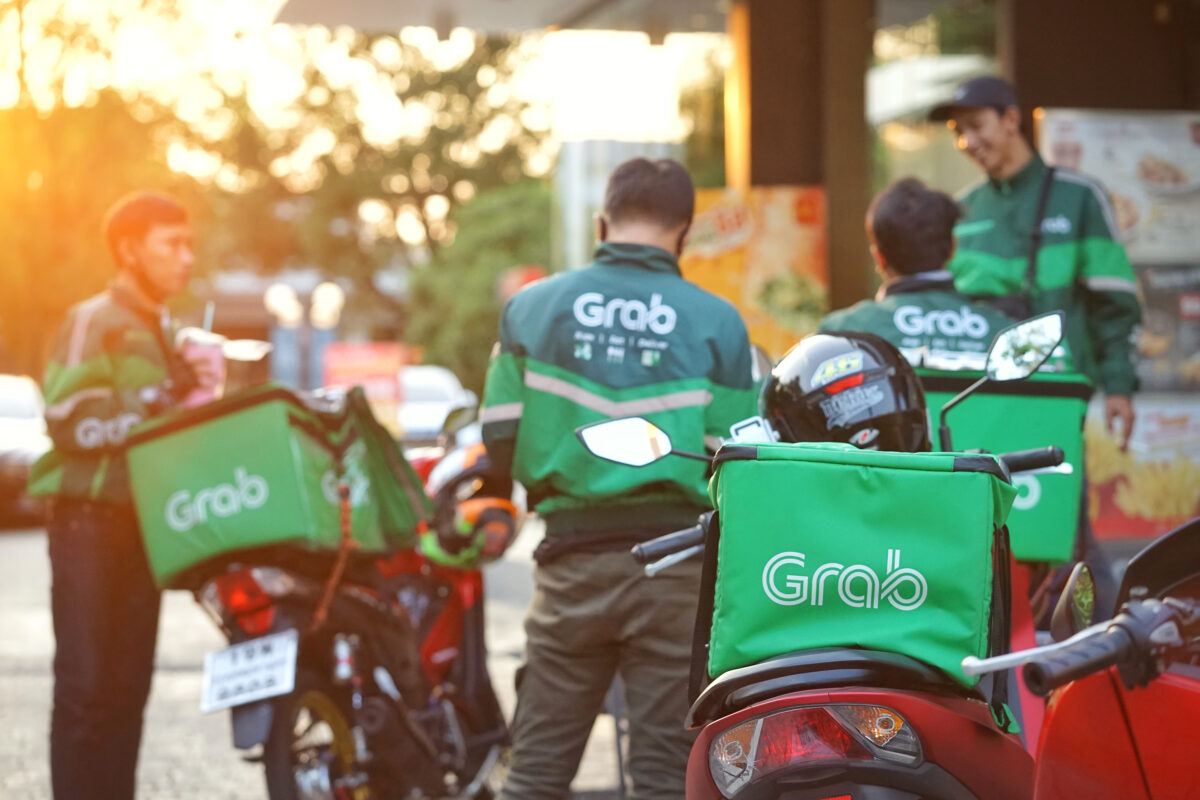
Importantly, Grab emphasized that it will pass 100% of the surcharge directly to drivers, without taking any commission. The company stated that this structure is intended to ensure that drivers are fully compensated for increased operating expenses, particularly fuel-related costs, which remain a major component of earnings in the ride-hailing sector.
Driver Economics Remain Central
Driver supply remains a critical pillar of Grab’s business model, especially as competition for riders and drivers intensifies across Southeast Asia. The company has previously highlighted strong driver retention levels, with a reported 90% retention rate, while driver earnings per transit hour have increased on a year-over-year basis.

The decision to route the surcharge directly to drivers without commission may help maintain supply stability at a time when inflationary pressures could otherwise reduce driver participation. However, the broader economics of the platform continue to depend on balancing incentives, pricing competitiveness, and regulatory expectations.
Regulatory Pressure Intensifies
The announcement also comes amid growing regulatory scrutiny in the region, particularly in Indonesia, one of Grab’s largest and most strategically important markets. Policymakers are actively considering reforms that could significantly reshape the ride-hailing industry’s cost structure.
Proposed changes include reducing commission caps and requiring platforms to cover additional social protections such as accident, health, and pension contributions. If implemented, such measures could increase operating costs for companies like Grab and pressure profitability in lower-margin segments such as mobility and delivery.
Motorcycle taxi drivers have also become a more organized and politically active group, with the ability to mobilize protests demanding better pay and working conditions. These developments underscore the evolving relationship between platforms, drivers, and regulators in the gig economy.
Super-App Model Under Review
Grab’s broader “super-app” strategy, which integrates ride-hailing, food delivery, and financial services, is increasingly being tested by regulatory shifts and margin pressures. While mobility services help drive user acquisition, many of these services operate on thin margins, relying on ecosystem cross-subsidization to support higher-margin financial products.
As governments across Southeast Asia reconsider labor classifications and platform responsibilities, companies like Grab may need to adapt their pricing models and cost structures more aggressively. The latest fuel surcharge adjustment highlights how even incremental cost changes are now being carefully managed in a more complex regulatory and economic environment.
Get 3 Free Stock Ebooks
Discover top-performing stocks in AI, Crypto, and Technology with expert analysis.
- Top 10 AI Stocks - Leading AI companies
- Top 10 Crypto Stocks - Blockchain leaders
- Top 10 Tech Stocks - Tech giants


