


TLDR
- Since hostilities erupted Saturday between the U.S. and Iran, nine commercial vessels have come under attack in Gulf waters
- One Bahamas-registered tanker struck near Iraqi waters; another vessel off Kuwait’s coast is flooding and spilling crude
- Approximately 200 commercial ships remain at anchor in international waters, unable to proceed; additional hundreds are blocked beyond the Strait of Hormuz
- Crude prices have climbed 15% since hostilities commenced; European natural gas has surged roughly 50% within the week
- London-based insurers confirm Hormuz transit coverage remains obtainable, though premiums have escalated significantly
The ongoing U.S.-Iran military confrontation, now entering its fifth consecutive day, continues wreaking havoc on Middle Eastern energy transport networks. Since Saturday’s outbreak of hostilities, nine commercial vessels operating in Gulf waters have sustained attacks.
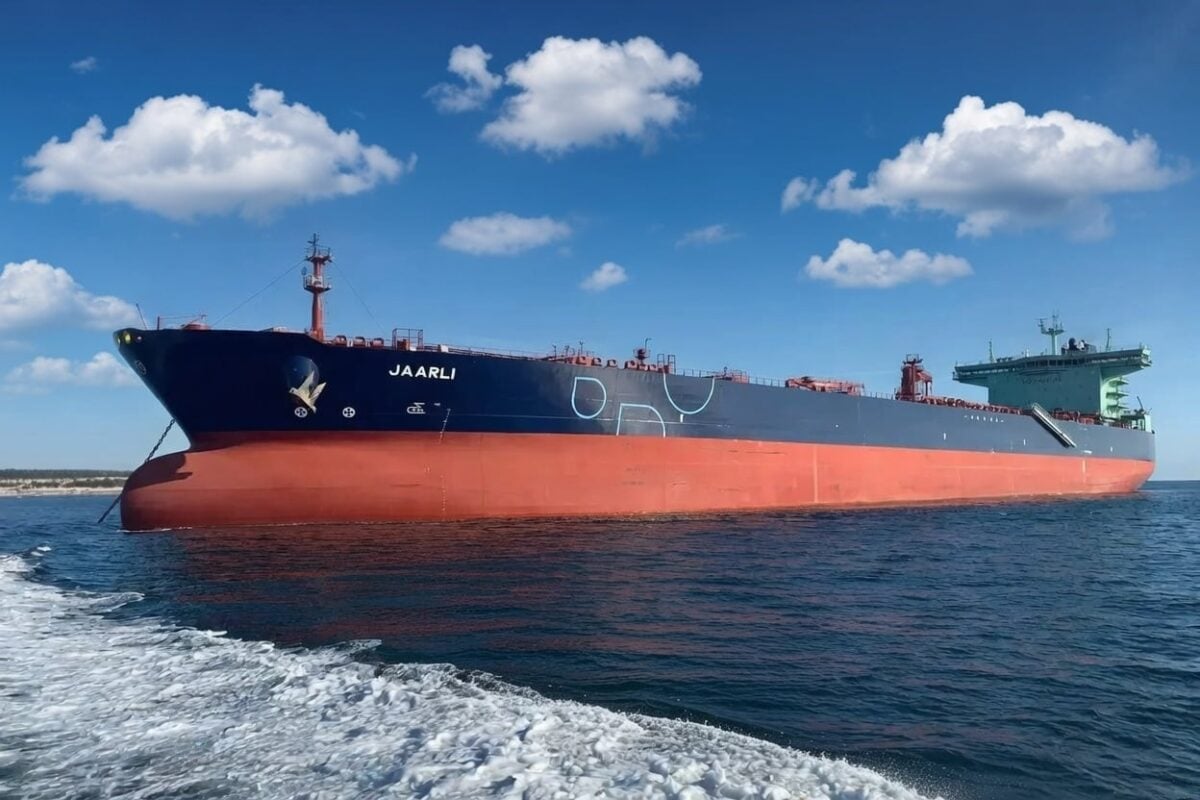
Thursday witnessed an assault on a Bahamas-registered crude carrier when an Iranian unmanned watercraft laden with explosives struck near Iraq’s Khor al Zubair terminal. Separately, another tanker stationed off Kuwait’s coastline began taking on water and hemorrhaging crude following a substantial blast on its port flank.
Iran simultaneously unleashed a barrage of ballistic missiles toward Israel Thursday and dispatched unmanned aircraft into Azerbaijani territory, wounding four civilians. The hostilities now risk expanding well beyond Gulf boundaries.
Close to 200 commercial vessels — encompassing crude carriers, liquefied natural gas transporters, and general cargo ships — remain anchored in international waters adjacent to principal Gulf petroleum-producing nations. Several hundred additional vessels are immobilized outside the Strait of Hormuz, prevented from accessing port facilities.
The Strait of Hormuz channels approximately 20% of global petroleum and LNG exports. Its practical shutdown is generating quantifiable disruptions across worldwide energy markets.
BP withdrew international personnel from Iraq’s Rumaila petroleum field following the landing of two unidentified drones within the facility’s perimeter. Iraqi authorities have slashed petroleum production by approximately 1.5 million barrels daily, as storage infrastructure reached maximum capacity and tanker loading became impossible.

One Kuwaiti refining facility ceased operations entirely. A second installation decreased its processing throughput. A third refinery located in Bahrain similarly curtailed production volumes.
Insurance Market Responds
London’s maritime insurance sector indicates willingness to provide coverage for vessels navigating the Strait of Hormuz, albeit at substantially elevated premium rates. Brokerage firm Arthur J. Gallagher confirmed availability of insurance for ships currently positioned within the Persian Gulf and those seeking entry or exit through the strait.
Brokerage houses Marsh and Aon are engaged in ongoing discussions with Washington officials following President Trump’s commitment to facilitate tanker insurance arrangements. Lloyd’s of London verified its collaboration with the U.S. International Development Finance Corporation regarding this initiative.
Despite insurance accessibility, the overwhelming majority of vessel operators are declining to proceed. Industry experts indicate that crew member safety concerns, rather than coverage expenses, represent the fundamental obstacle.
Energy Prices Climb Sharply
Oil prices advanced approximately 2% Thursday, accumulating roughly 15% in total gains since Saturday’s conflict initiation. U.S. benchmark crude registered about 3% growth Thursday specifically.
European benchmark natural gas values increased 2% Thursday and have accumulated approximately 50% gains across the week. Qatar, responsible for 20% of worldwide LNG supply, suspended gas production operations earlier this week due to the escalating conflict.
Russian President Vladimir Putin declared Russia’s capacity to immediately terminate gas deliveries to Europe, referencing the energy price volatility generated by the Iran crisis.
The United States and Australia possess minimal excess capacity to compensate for Qatar’s interrupted LNG exports, according to industry specialists and Reuters analysis.
Get 3 Free Stock Ebooks
Discover top-performing stocks in AI, Crypto, and Technology with expert analysis.
- Top 10 AI Stocks - Leading AI companies
- Top 10 Crypto Stocks - Blockchain leaders
- Top 10 Tech Stocks - Tech giants


