


Key Takeaways
- Chasing popular investments typically means you’ve already missed the opportunity for substantial gains
- Significant market downturns are part of investing — even Berkshire has experienced three declines exceeding 50%
- Skipping the market’s top 10 performing days can slash your returns by over half
- Everyday investors should consider low-cost index funds to weather market turbulence
- Prioritize quality, long-term holdings over speculative or fashionable investments
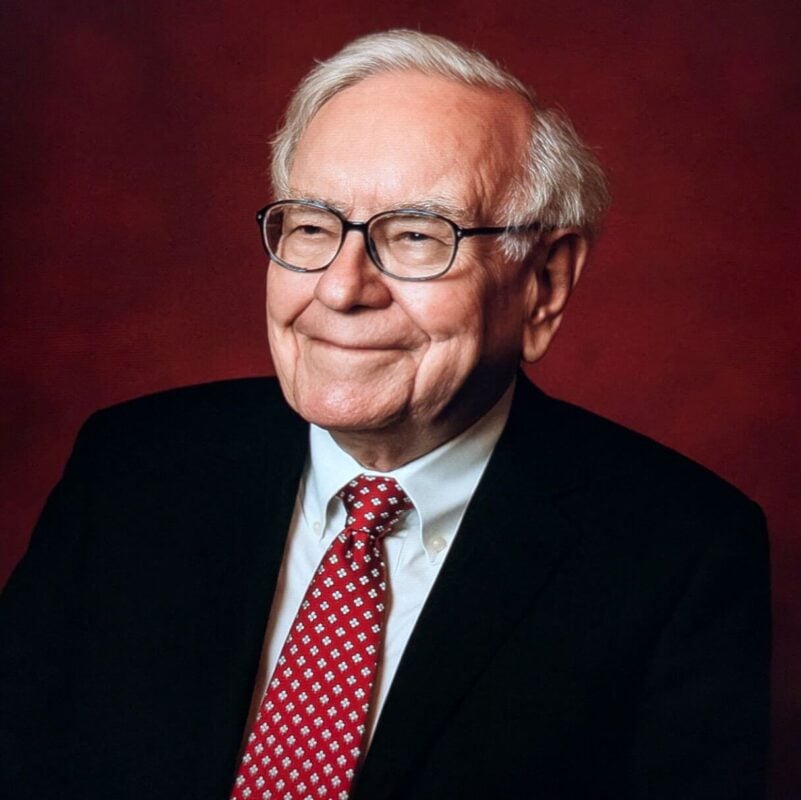
In a recent CNBC interview, Warren Buffett shared his perspective on market turbulence and offered guidance for younger investors navigating downturns. His counsel remains direct and grounded in his extensive investment history.
Though Buffett transitioned out of his CEO role at Berkshire Hathaway at the close of last year, the 95-year-old continues to be among the most influential figures in the investment community.
When both the Dow Jones Industrial Average and Nasdaq Composite slipped into correction territory in late March amid technology sector worries and geopolitical uncertainty, Buffett maintained his composure.
“Three times since I’ve taken over Berkshire, it’s gone down more than 50%,” Buffett explained to CNBC. “This is nothing.”
Buffett frequently cautions against jumping on investment bandwagons after they’ve already gained momentum. His famous observation — “What the wise do in the beginning, fools do in the end” — captures the danger of entering positions after the crowd has arrived.
The dotcom era provides a perfect illustration. As 1999 drew to a close, investors flooded into internet stocks with little regard for business fundamentals. The subsequent crash wiped out countless companies.
Cryptocurrency markets followed a similar pattern. Those who entered early with proper understanding profited. Latecomers who bought near peak prices because of FOMO typically ended up selling at significant losses during the downturn.
Why Panic Selling Destroys Returns
Exiting positions during market declines can devastate your long-term wealth building. An investor who placed $10,000 into the S&P 500 in 2006 would have seen it grow to approximately $81,000 by late 2025 — assuming they remained fully invested.

However, being out of the market for just the 10 strongest performing days in that timeframe would have reduced that total to roughly $36,000, based on data from J.P. Morgan Asset Management.
Thomas Balcom, who founded 1650 Wealth Management in Florida, recently counseled a 20-year-old client whose holdings had declined approximately 10%. The young investor was contemplating liquidating his S&P 500 index fund position.
Once Balcom walked him through the diversification benefits and temporary nature of the decline, the client decided to maintain his position.
The Power of Diversification and Patient Capital
Buffett has consistently advocated for low-fee, broadly diversified index funds for non-professional investors. Distributing capital across numerous companies minimizes the impact when individual sectors experience weakness.
Balcom often initiates younger clients with the Schwab 1000 Index ETF, which follows 1,000 of America’s largest corporations and carries just a 0.03% expense ratio.
Thomas Van Spankeren, who serves as chief investment officer at RISE Investments in Chicago, recently counseled a client to reduce concentration in technology holdings. His recommendations included adding dividend-paying equities, small-capitalization stocks, and international exposure.
“Buy and hold is very important, but you also need to know what you own,” Van Spankeren emphasized.
Buffett noted that while he’s sitting on substantial cash reserves, he’s only waiting for genuinely compelling business opportunities that warrant long-term ownership, not short-term trading profits.
Get 3 Free Stock Ebooks
Discover top-performing stocks in AI, Crypto, and Technology with expert analysis.
- Top 10 AI Stocks - Leading AI companies
- Top 10 Crypto Stocks - Blockchain leaders
- Top 10 Tech Stocks - Tech giants


