


Key Takeaways
- HSBC’s asset allocation model has reached maximum bullish positioning on equities since Liberation Day
- The firm argues markets only need incrementally improving news, not complete geopolitical resolution
- Tax refund data shows 15–25% increases versus 2025, bolstering consumer spending outlook
- AI sector pessimism has eliminated U.S. tech’s valuation premium, presenting a buying opportunity
- The 10-year Treasury crossing 4.3% represents the critical risk level HSBC is monitoring closely
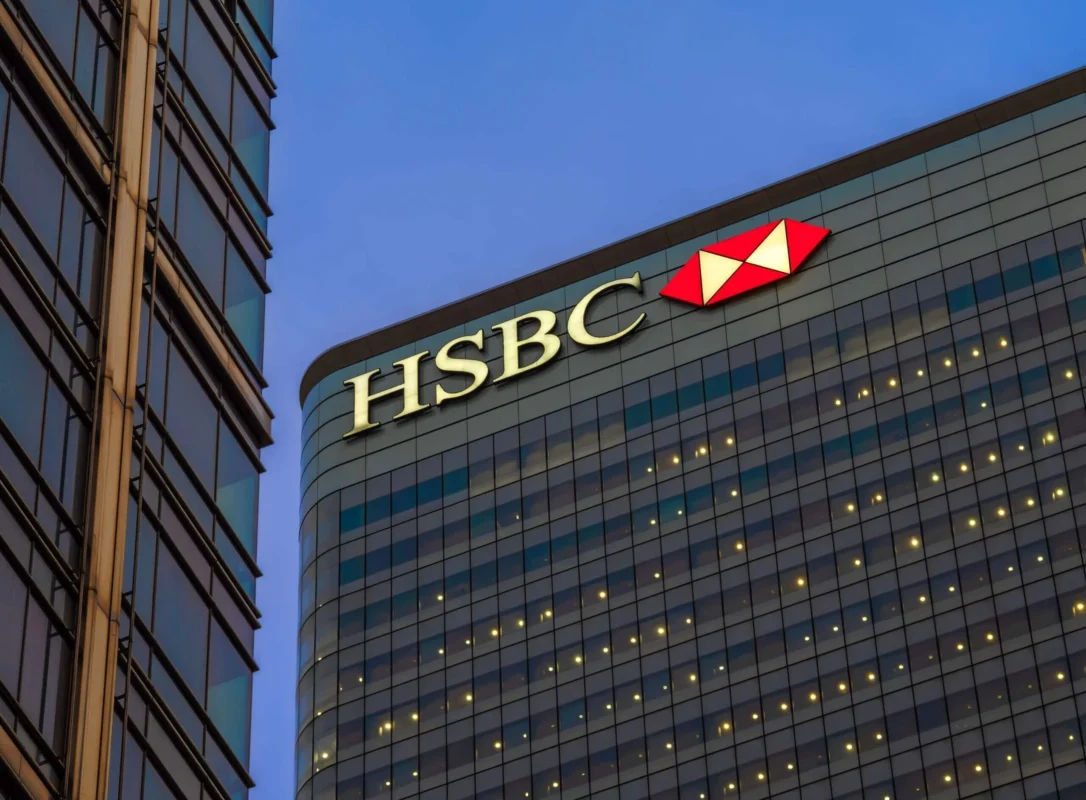
Global banking giant HSBC has adopted its most aggressive stance on equity markets since the tariff announcements on Donald Trump’s “Liberation Day,” and the institution believes market participants are overestimating geopolitical risks.
In research published Monday, a team headed by Max Kettner, who serves as HSBC’s chief multiasset strategist, indicated that financial markets don’t require complete resolution of the U.S.-Israel-Iran situation to maintain their recovery trajectory. Rather, marginal improvement is sufficient.
“Less bad news flow is good enough, in our view,” the institution stated.
Tensions involving the U.S., Israel, and Iran have persisted for approximately six weeks. This past weekend saw Washington and Tehran engage in 21 hours of negotiations without producing a settlement. U.S. equity markets faced downward pressure Monday following the unsuccessful talks, and oil crossed $100 per barrel after Trump implemented a Persian Gulf blockade.
Neverthstanding these developments, HSBC maintains its conviction.
The bank has moved to maximum overweight allocation in equities. Regional preferences include emerging market Asia, Japan, and European markets — with European financial institutions receiving particular emphasis. The firm also carries a double overweight position in emerging market local currency debt and maintains an overweight stance on high-yield corporate bonds.
Kettner’s research group contends that the trajectory of geopolitical developments matters more than the absolute level of tension. As credit market spreads and equity valuations approach pre-escalation benchmarks, the bank anticipates growing criticism about investor complacency. HSBC is challenging that perspective.

Economic Indicators Paint Positive Picture
U.S. macroeconomic indicators continue showing resilience. Tax refund disbursements are tracking 15% to 25% higher than 2025 figures. Credit card transaction volumes are expanding. Comparable-store retail revenue is accelerating. HSBC cites these metrics as providing confidence entering the second-quarter corporate reporting period.
“What matters more than geopolitics is what’s driving the global earnings outlook,” Kettner noted.
The bank highlighted how two consecutive quarters of artificial intelligence skepticism have essentially eliminated the valuation premium that U.S. technology equities previously commanded. HSBC interprets this as a strategic entry point. The firm anticipates capital rotation returning to U.S. markets and technology sectors as part of an expected V-shaped recovery pattern across multiple asset categories.
Critical Risk Factor Identified
HSBC did identify one significant vulnerability. Should U.S. economic exceptionalism reassert itself — characterized by declining unemployment and robust expansion — Treasury bond yields could climb back beyond 4.3% before the second quarter concludes or during summer months.
The institution designates 4.3% on the 10-year Treasury note as its “Danger Zone” marker. Yields exceeding that benchmark create adverse conditions across virtually all investment categories.
As of Monday’s trading, crude oil has surpassed $100 per barrel while U.S. equity indexes were positioned for a negative opening following the weekend’s unsuccessful Iran negotiations.
Get 3 Free Stock Ebooks
Discover top-performing stocks in AI, Crypto, and Technology with expert analysis.
- Top 10 AI Stocks - Leading AI companies
- Top 10 Crypto Stocks - Blockchain leaders
- Top 10 Tech Stocks - Tech giants


