


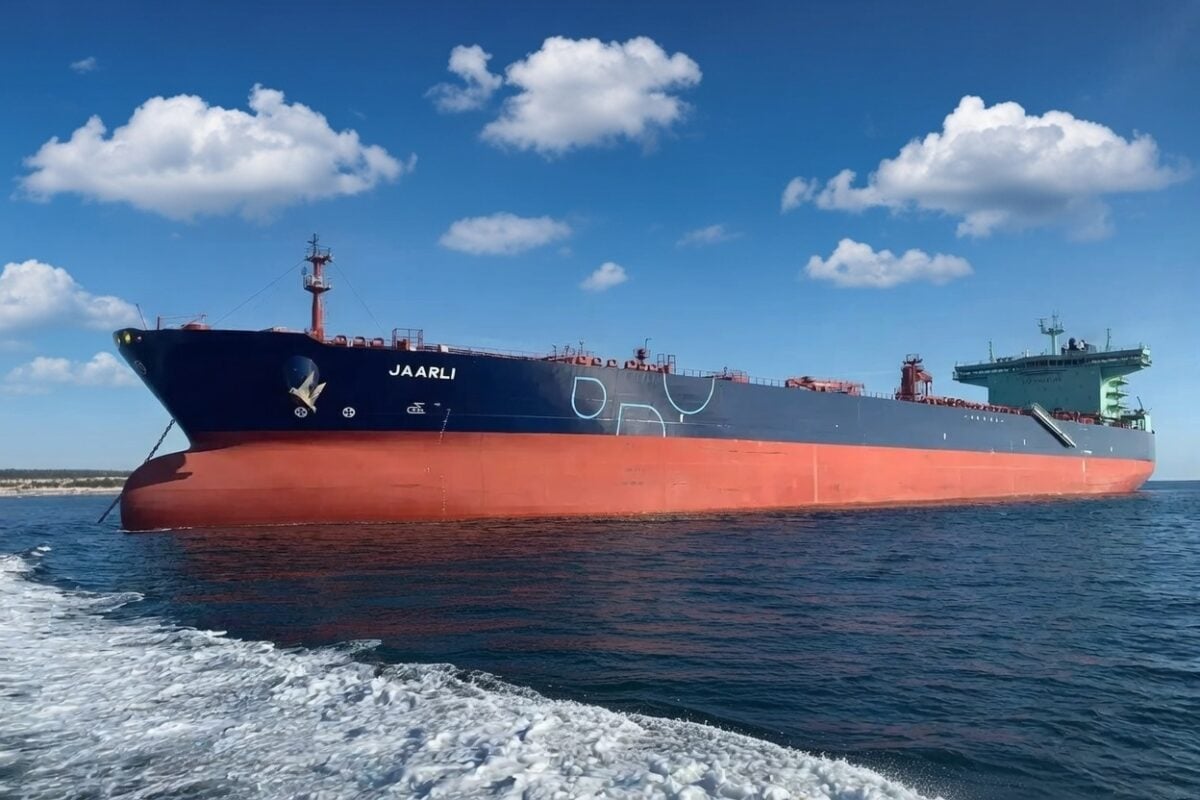
Key Points
- Tehran plans to implement a $1-per-barrel cryptocurrency fee for vessels transiting the Strait of Hormuz while a temporary US-Iran truce remains active
- Large oil supertankers at full capacity may incur charges reaching $2 million
- Alternative payment options include Chinese yuan, deliberately bypassing US dollar transactions
- The Iranian central bank previously purchased $500 million in USDT, contributing to the nation’s $7.8 billion digital asset sector
- Bitcoin experienced approximately 7% growth following announcements of US-Iran ceasefire negotiations
Tehran is implementing a transit fee structure for maritime vessels navigating through the Strait of Hormuz, with cryptocurrency accepted as payment during the recently established two-week truce between Iran and the United States.
Hamid Hosseini, representing Iran’s Oil, Gas and Petrochemical Products Exporters’ Union, informed the Financial Times that the fee structure establishes $1 per oil barrel as the standard rate. For completely loaded supertankers, total costs could reach approximately $2 million.
Vessels traveling without cargo will receive exemption from these charges. However, ships transporting goods must complete payment verification prior to receiving transit authorization.
According to Hosseini, maritime operators will have an extremely limited timeframe—mere seconds—to finalize their cryptocurrency transfers after receiving approval. This abbreviated processing window serves a strategic purpose: preventing transaction tracking or asset seizure under current international sanctions frameworks.
Chinese yuan represents an additional accepted payment method. Both currency options strategically circumvent the US dollar system and minimize exposure to potential fund freezing.
The Strategic Shift Toward Digital Assets
For multiple years, Iran has increasingly adopted cryptocurrency solutions as American economic sanctions have constricted its financial capabilities. The national currency, the rial, has experienced substantial devaluation relative to the US dollar.

Elliptic, a blockchain intelligence firm, disclosed in January that Iran’s monetary authority had purchased $500 million in Tether’s USDt stablecoin. Additional research from TRM Labs documented approximately $3.7 billion in aggregate cryptocurrency transactions flowing through Iranian networks from January through July 2025.
The nation’s comprehensive digital asset infrastructure carries an estimated valuation of $7.8 billion. Bitcoin has emerged as a critical mechanism for Iranian financial operations during turbulent periods.
The Strait of Hormuz represents one of the planet’s most critical petroleum shipping corridors. Numerous maritime vessels faced effective blockage from utilizing this passage following US-Israeli military operations targeting Iranian infrastructure during February and March.
Truce Conditions and Energy Market Impact
President Donald Trump disclosed the ceasefire agreement through his Truth Social account, indicating the arrangement encompasses halting military actions against Iran and completely reopening the Strait of Hormuz shipping channel.
Iranian state-controlled media outlets reported that Tehran submitted a comprehensive 10-point proposal as prerequisites for the agreement. This framework included maintaining Iranian authority over the waterway and removing American sanctions.
Oil prices exceeded the $100-per-barrel threshold for the first occurrence in four years amid the earlier supply chain disruptions. Energy sector analysts have maintained close observation of crude oil valuations throughout the regional conflict.
Cryptocurrency valuations demonstrated significant fluctuation during this timeframe, oscillating between $65,000 and $75,000. Following Tuesday’s ceasefire announcement, Bitcoin climbed approximately 7%.
The Block had previously documented dramatic increases in Iranian cryptocurrency activity during March as regional tensions intensified across the Middle East.
Get 3 Free Stock Ebooks
Discover top-performing stocks in AI, Crypto, and Technology with expert analysis.
- Top 10 AI Stocks - Leading AI companies
- Top 10 Crypto Stocks - Blockchain leaders
- Top 10 Tech Stocks - Tech giants


