


TLDR
- Lisa Su emphasized AMD’s commitment to increasing investments in China, particularly in AI and digital economy sectors.
- AMD continues to strengthen ties with the Chinese government and businesses, including MIIT and Lenovo.
- U.S. government signals easing of chip export controls to China, benefiting companies like AMD.
- China generated $6.2 billion for AMD in 2024, making it the company’s second-largest market.
- Su’s visit highlights AMD’s ongoing strategy to collaborate with key Chinese tech companies despite regulatory challenges.
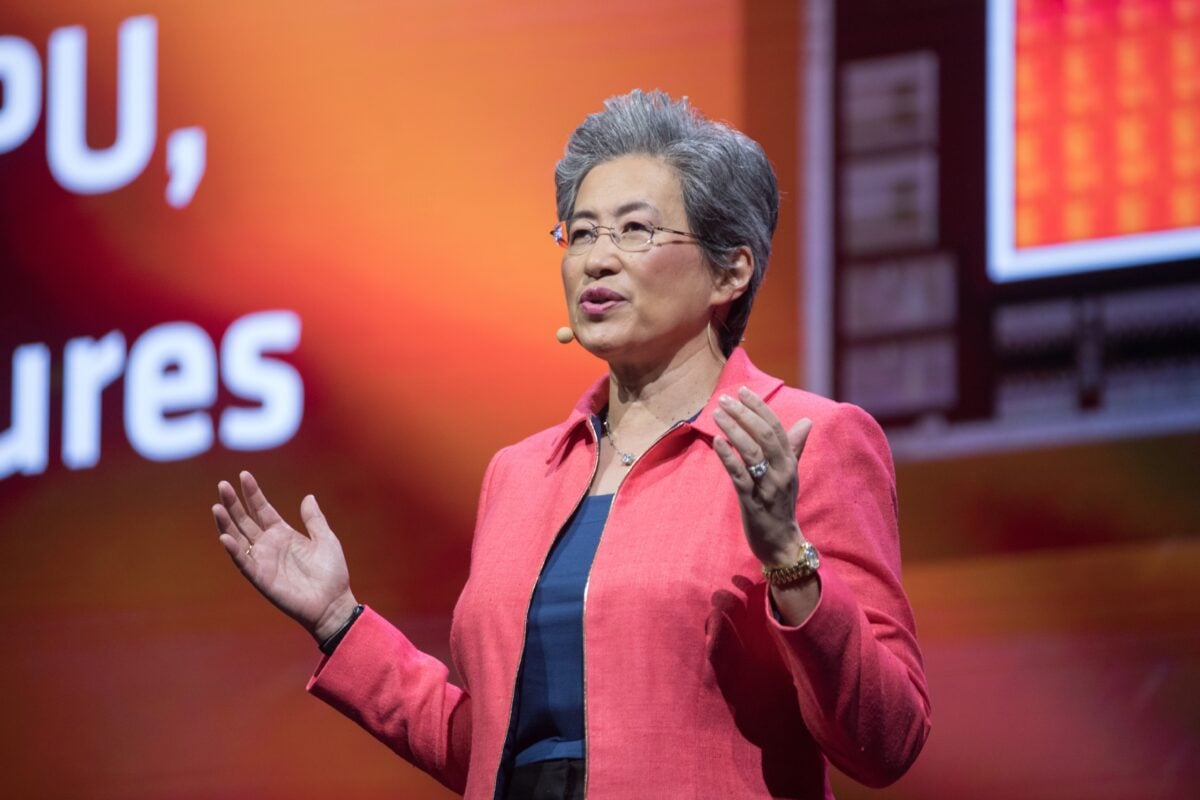
AMD CEO Lisa Su’s recent trip to Beijing has revealed the company’s ongoing commitment to China. During her visit, Su met with Li Lecheng, the Minister of Industry and Information Technology (MIIT) of China. Su emphasized AMD’s intention to deepen its investments in the country, focusing on the digital economy and AI sectors.
Strengthening Cooperation in Technology and AI
On Wednesday, Su met with MIIT’s director to discuss enhanced cooperation in the digital economy and artificial intelligence. According to a statement from MIIT, Su thanked the ministry for its support of AMD’s business in China. She reiterated that AMD is committed to fostering collaboration to drive industrial innovation and development in the country.
Li Lecheng also expressed China’s willingness to offer more cooperation opportunities to foreign firms like AMD. Li highlighted that China values partnerships with international companies and looks forward to AMD’s continued engagement in its market. This reflects China’s broader strategy of promoting foreign investments while also advancing its technological capabilities.
U.S. Easing Chip Export Restrictions
The visit comes at a time when the U.S. government has signaled a relaxation of export controls on semiconductor companies like AMD. Earlier in the week, U.S. President Donald Trump announced that the U.S. would allow companies like Nvidia, AMD, and Intel to ship AI chips to China under new conditions. The decision requires companies to pay 25 percent of the value of the chips to the U.S. government.
This shift in policy follows growing concerns about the competitive advantage of U.S. chipmakers in the Chinese market. Despite export restrictions, China remains a key source of revenue for AMD. In 2024, China generated $6.2 billion in revenue for AMD, making it the company’s second-largest market after the U.S.
AMD’s Ongoing Engagement with Chinese Companies
Su’s visit included a tour of Lenovo’s headquarters in Beijing, where she explored the company’s latest innovations in robotics and AI technologies. The partnership between AMD and Lenovo has grown over time, particularly in the development of AI-powered servers for model training. This collaboration aligns with AMD’s broader strategy of working closely with key Chinese tech companies.

As the Chinese market becomes more competitive, AMD continues to maintain strong ties with local firms. Despite challenges from regulatory hurdles, the company remains focused on providing solutions for China’s rapidly evolving tech industry. According to a Tuesday report by Parameter, Su’s visit builds on previous efforts to engage with Chinese partners while navigating complex geopolitical dynamics.
Get 3 Free Stock Ebooks
Discover top-performing stocks in AI, Crypto, and Technology with expert analysis.
- Top 10 AI Stocks - Leading AI companies
- Top 10 Crypto Stocks - Blockchain leaders
- Top 10 Tech Stocks - Tech giants


