


TLDRs;
- Gravity SUV wins awards, boosting credibility in a crowded EV market.
- Certified pre-owned program expands access and builds consumer trust.
- Autonomy deals with NVIDIA and Uber/Nuro offer long-term optionality.
- Financial pressures and production limits keep profitability uncertain.
Lucid Group, Inc. (NASDAQ: LCID) is once again drawing investor attention as it navigates the delicate balance between product momentum and financial pressures.
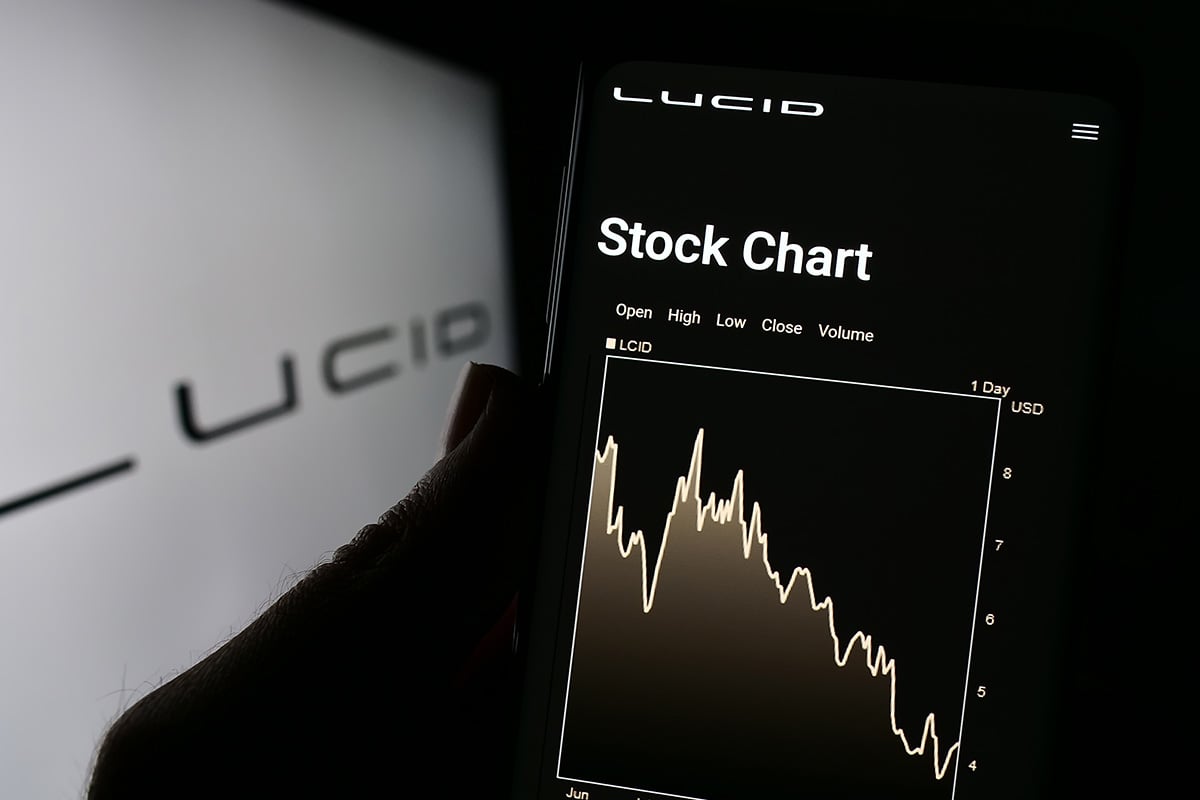
On December 19, 2025, LCID shares were trading around $11.45, up roughly 2.9% from the previous close, reflecting a market attempting to reconcile Lucid’s growing SUV presence with lingering profitability concerns.
Gravity SUV Gains Industry Recognition
The Gravity SUV has quickly become Lucid’s marquee product, helping the company transition from niche sedan maker to a broader EV competitor. Both the Gravity and the Lucid Air sedan earned spots on Car and Driver’s 10Best lists for 2026, marking a significant credibility boost. Notably, the Gravity was the only fully electric SUV selected in its category.
With up to 450 miles of EPA-estimated range in the Grand Touring configuration, peak charging of 400 kW, and a rapid recharge capability adding 200 miles in roughly 11 minutes, the Gravity is positioned to compete in the growing luxury SUV market. The Touring trim starts at $79,900 and delivers 560 horsepower with up to 337 miles of range, demonstrating Lucid’s ability to combine performance with utility.
Certified Pre-Owned Program Expands Access
On December 15, 2025, Lucid launched its “Lucid Recharged” certified pre-owned (CPO) program, aimed at reducing barriers for buyers hesitant to invest in a new luxury EV. The initiative includes a 125-point inspection and a one-year unlimited-mile warranty, expanding consumer trust in the brand.

By targeting vehicles up to three years old, Lucid hopes to improve resale values, maintain brand integrity, and broaden market access. In a softening EV demand environment, these trust-building measures are critical, especially as the market grows increasingly cautious of high depreciation risks for luxury EVs.
Autonomy and Strategic Partnerships
Lucid is also pushing into software-defined vehicles and autonomous mobility. Partnerships with NVIDIA for Level 4 autonomy and with Uber and Nuro for a planned robotaxi fleet signal long-term optionality. The Uber deal involves deploying 20,000+ Gravity SUVs equipped with Nuro’s technology over six years, beginning in 2026.
While these collaborations position Lucid in high-visibility innovation ecosystems, analysts remain cautious about commercialization timelines. The first robotaxi service is expected to launch in the San Francisco Bay Area, but near-term revenue impacts will be limited.
Financial and Production Pressures Persist
Despite product wins, Lucid faces operational challenges. 2025 production guidance was limited to around 18,000 vehicles due to chip shortages, material constraints, and supplier disruptions. Financially, the company relies on support from Saudi Arabia’s Public Investment Fund (PIF), which increased Lucid’s credit facility to $2 billion this year. Convertible note offerings and prepayment arrangements provide liquidity but do not solve the fundamental path to profitability.
Analyst sentiment is mixed. Morgan Stanley recently downgraded LCID with a price target cut to $10, citing a prolonged “EV winter,” while other analysts see optionality in Gravity ramp and autonomy projects but question execution reliability. For investors, the key near-term indicators will be production consistency, margin trends, and the delivery of autonomy milestones.
Get 3 Free Stock Ebooks
Discover top-performing stocks in AI, Crypto, and Technology with expert analysis.
- Top 10 AI Stocks - Leading AI companies
- Top 10 Crypto Stocks - Blockchain leaders
- Top 10 Tech Stocks - Tech giants


