


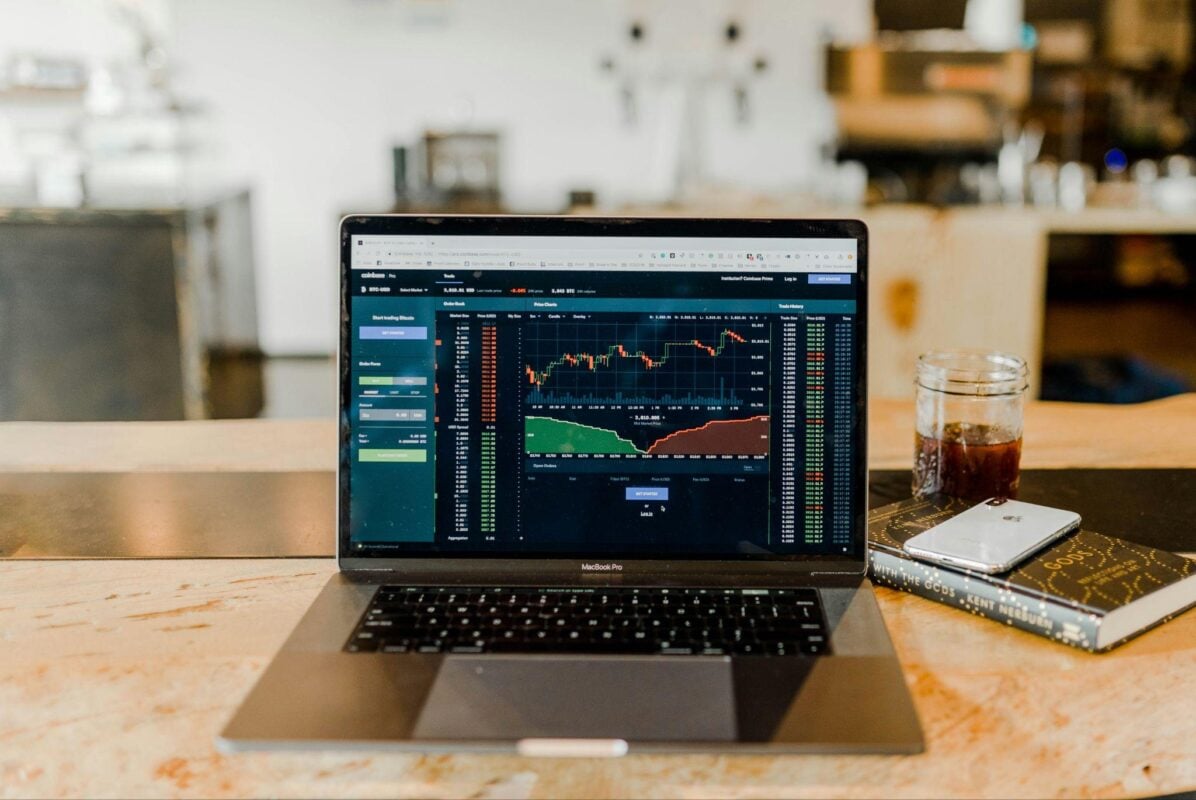
Every morning before the stock market opens, something important is already happening. Traders around the world are watching one specific number that hints at the direction the day might take. That number comes from NASDAQ futures. They don’t tell the whole story, but they often whisper what the market might be thinking.
What Are NASDAQ Futures and Why Do They Matter?
To put it simply, NASDAQ futures are contracts that track the NASDAQ 100 index, which comprises major technology companies. When you buy or sell one, you agree to a future price for that index. It’s a way for traders to express an opinion about where they think tech stocks are heading next.
These futures trade almost continuously, reacting to news that may not have even reached the U.S. yet. A speech in Europe, a policy change in Asia, or a sudden shift in interest rates can instantly alter prices. If futures climb, that shows optimism. If they slide, it often means uncertainty. By the time regular trading starts, the tone is already set.
You don’t need to be a professional to understand what they reveal. A quick look at how the numbers move overnight can show whether confidence is growing or fading. Over time, patterns emerge, and those patterns start to take shape and make sense.
How Traders Actually Use NASDAQ Futures?
Professional traders rely on these contracts for several reasons. Some use them to protect their holdings. Imagine you have a portfolio full of tech stocks and expect a difficult week ahead. You can sell NASDAQ futures to balance the risk. If your stocks fall, the profit from the futures helps offset the loss. It’s a form of insurance that doesn’t require selling your long-term positions.
Others treat futures as a short-term trading tool. Because they involve leverage, small price movements can result in significant gains or losses. That leverage is powerful but risky when used without discipline. The best traders approach it carefully. They watch more than just charts and numbers, paying attention to interest rates, company earnings, and global sentiment.

Futures also offer early signals. When the Federal Reserve releases a statement or a big tech company posts earnings, futures react first. Watching that movement helps traders understand how quickly emotions spread through the market. It’s one of the best real-time lessons in market behavior.
Reading Market Momentum through Futures
Even if you never trade a single futures contract, following them can make you a better investor. They reveal how global markets feel long before Wall Street opens its doors. A rise overnight can suggest growing momentum. A sharp drop might indicate fear or uncertainty building somewhere across the world.
Analysts, fund managers, and financial journalists all use NASDAQ futures to sense that early mood. A calm night in futures usually indicates a steady opening, while heavy volatility signals turbulence ahead. Retail traders can use this information to prepare for the day, adjusting their strategies or simply waiting for clarity.
Because NASDAQ futures trade across multiple time zones, they connect global markets. What happens in Asia or Europe is often reflected in these contracts before the American session begins. It’s like spotting weather patterns before the storm arrives.
A Thought to Leave With
NASDAQ futures don’t predict the future, but they capture its pulse. They convey confidence, hesitation, fear, and excitement, all of which move together in real time. Learning to read that pulse gives traders an awareness that pure data can’t replace.
You don’t have to predict every move. Simply understanding what the market feels before it acts can help you respond with more patience and better timing. That awareness can turn uncertainty into opportunity.
Get 3 Free Stock Ebooks
Discover top-performing stocks in AI, Crypto, and Technology with expert analysis.
- Top 10 AI Stocks - Leading AI companies
- Top 10 Crypto Stocks - Blockchain leaders
- Top 10 Tech Stocks - Tech giants


