


Key Findings
- Survey data indicates 37% of Brazilian respondents will place wagers on the upcoming FIFA World Cup, with 77% planning to follow the tournament
- Betting on match results tops preferences at 51%, with total goals coming in at 26%
- Traditional broadcast television leads viewing preferences at 73%, followed by streaming platforms at 31%
- The tournament features a new 48-nation format and takes place June 11-July 19 across three North American countries
- Current betting markets favor Spain for the championship, while Kylian Mbappé leads predictions for top scorer honors
Recent research indicates that a significant portion of Brazil’s population intends to wager on the upcoming FIFA World Cup. The findings come from a Kantar study completed in November 2025, which surveyed 600 Brazilian consumers.
The results show that 37% of participants plan to place bets during the tournament. Meanwhile, an even larger proportion—77%—indicated they would follow the competition through various channels.
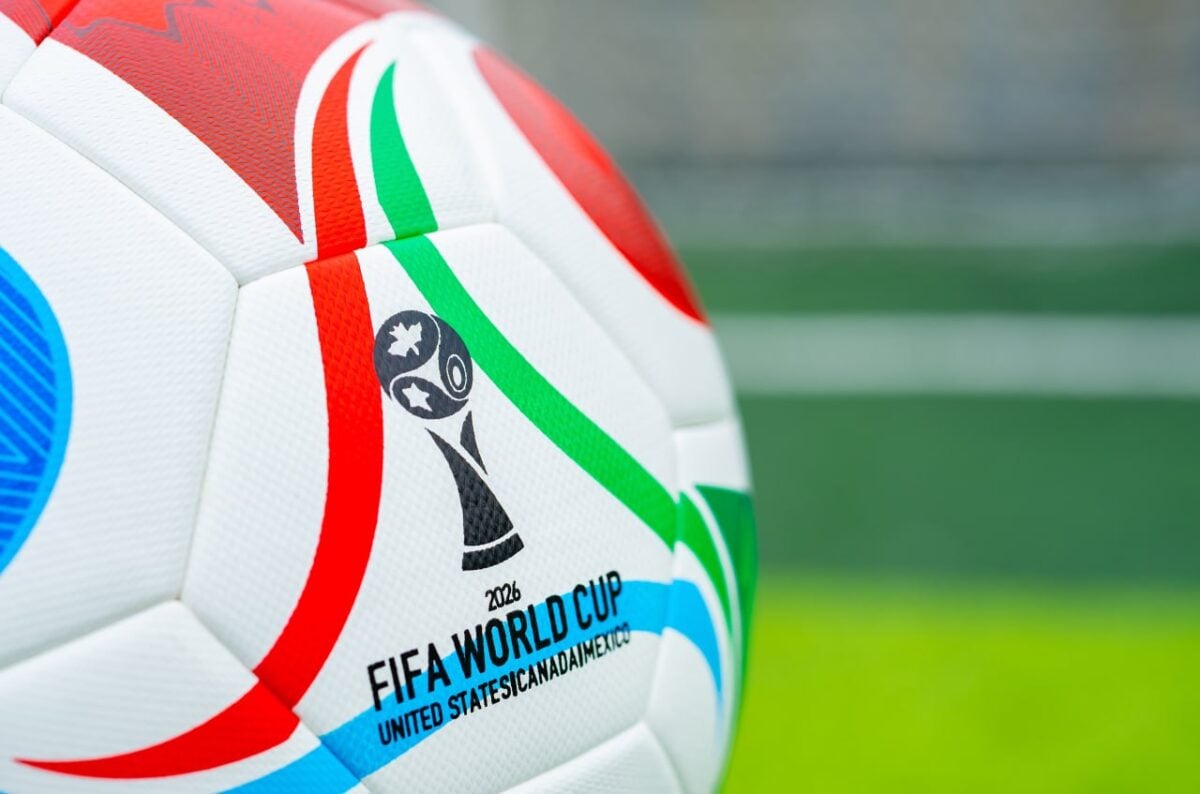
The global football championship is scheduled to take place between June 11 and July 19, 2026. Three nations—the United States, Canada, and Mexico—will jointly host the event.
This edition marks a significant departure from previous tournaments, expanding the field from 32 to 48 participating nations. Tournament organizers project a worldwide viewership potentially reaching 5 billion people.
The unprecedented scope positions this World Cup among the most-watched sporting competitions ever staged. This magnitude has captured the attention of wagering platforms and commercial sponsors across multiple markets.
Simple Match Bets Dominate Preferences
For those intending to place wagers, betting on match results emerges as the clear preference. Research data shows 51% of potential bettors gravitate toward these straightforward win-loss-draw markets.

Wagers on goal totals ranked second in popularity, attracting 26% of those surveyed. Meanwhile, 18% expressed interest in betting on the overall tournament champion.
More specialized in-game markets appealed to 10% of respondents. Bets on which player will score the most goals drew 8% support.
The strong preference for match result wagers indicates Brazilian bettors lean toward simpler, more accessible betting options. These markets also represent the most commonly available offerings across betting platforms.
Viewing Patterns Across Multiple Platforms
Traditional broadcast television maintains its position as the primary viewing channel for Brazilian World Cup viewers. Survey data shows 73% of respondents identified this as their top choice for watching matches.
Subscription-based pay television ranked second with 39% support. Digital streaming platforms captured 31% of viewer preferences.
Social media channels were selected by 23% of those surveyed. Radio attracted minimal interest at only 4%.
The findings reveal that audience engagement extends far beyond live match viewing. Approximately 68% of participants indicated plans to follow tournament-related news coverage.
Half of respondents said they would participate in social media conversations and share tournament-related content. Video highlights garnered interest from 38%, while 32% plan to track match statistics.
These patterns suggest a fragmented consumption model where supporters engage with the tournament across multiple touchpoints simultaneously. While television broadcasting retains its leadership position, digital channels continue gaining prominence.
The Kantar research did not publish information regarding sampling error margins or detailed participant demographics. A sample of 600 individuals represents a relatively modest proportion of Brazil’s population exceeding 200 million.
Nonetheless, these results align with wider trends in how Brazilian sports enthusiasts interact with premier competitions. Wagering has grown increasingly integrated into the country’s sports culture.
Regarding actual betting markets, major operators currently list Spain among the championship frontrunners. France’s Kylian Mbappé features prominently in predictions for the tournament’s leading scorer.
As the June 11 tournament start date draws closer, wagering volumes throughout Brazil are projected to climb substantially in the weeks ahead.
Get 3 Free Stock Ebooks
Discover top-performing stocks in AI, Crypto, and Technology with expert analysis.
- Top 10 AI Stocks - Leading AI companies
- Top 10 Crypto Stocks - Blockchain leaders
- Top 10 Tech Stocks - Tech giants


