


Key Takeaways
- On March 3, Defense Secretary Pete Hegseth labeled Anthropic a “supply chain risk,” mandating a six-month withdrawal of Claude from all Pentagon operations
- Defense contractors and military IT personnel claim Claude outperforms rivals such as xAI’s Grok and oppose the transition
- The transition away from Claude may require 12–18 months and result in significant productivity losses and recertification expenses
- Tech giants including OpenAI, Amazon, Microsoft, and Google are pressuring the Defense Department to overturn the classification
- Certain government departments are intentionally delaying the transition, anticipating a negotiated settlement before the deadline
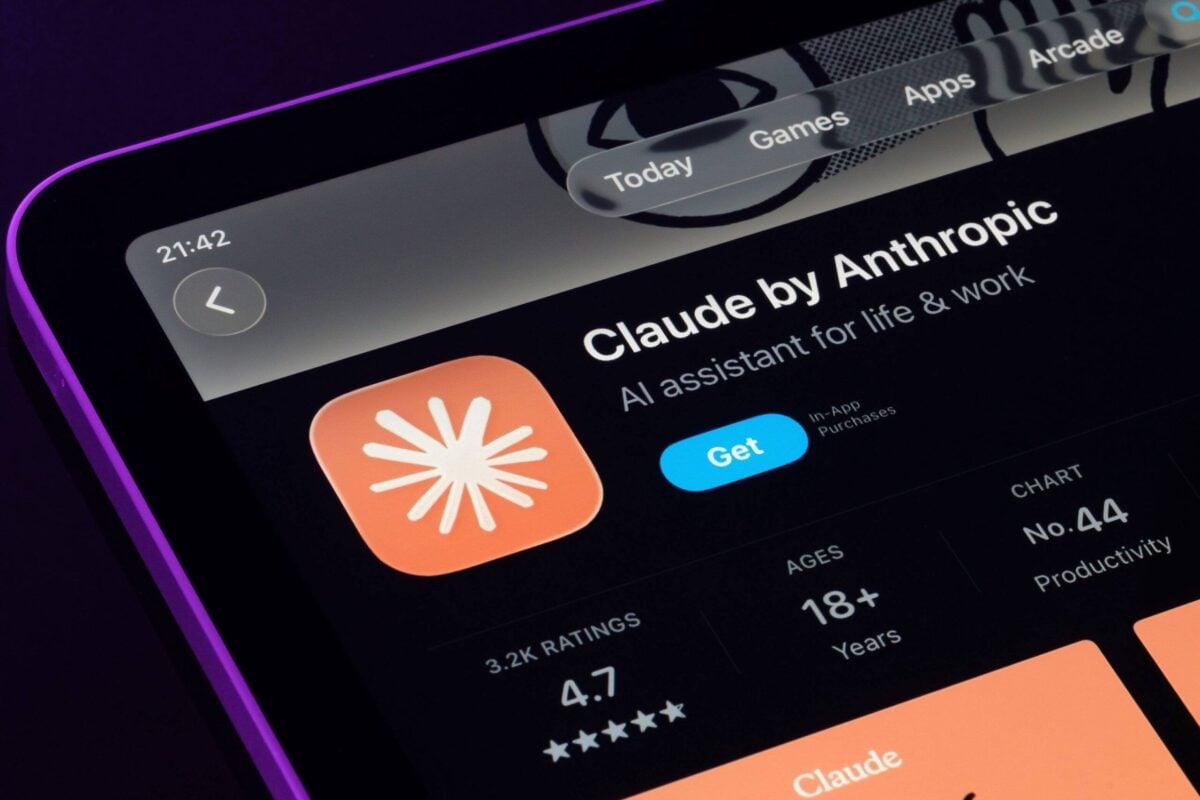
Defense Secretary Pete Hegseth’s March 2026 directive to discontinue Anthropic’s Claude AI at the Pentagon has encountered substantial opposition from military personnel and defense contractors.
Following disagreements regarding usage restrictions for military applications of the company’s AI systems, Hegseth classified Anthropic as a “supply chain risk” on March 3. The directive prohibits Pentagon operations and its contractors from utilizing Anthropic’s products, establishing a six-month transition period.
However, implementation has proven challenging. Military IT professionals, former defense officials, and contractors express strong reluctance to discontinue Claude, citing its superiority over competing options.
“Career IT professionals within the Department of Defense strongly oppose this decision because they had successfully encouraged operational staff to embrace AI technology,” stated an IT contractor. “They consider it nonsensical.”
The contractor added that Claude “delivers the best results,” whereas xAI’s Grok frequently produces conflicting responses to identical queries.
Anthropic secured a $200 million defense agreement in July 2025. Claude achieved the distinction of becoming the first AI system authorized for deployment on classified military infrastructure, experiencing widespread adoption throughout federal agencies.
Reuters earlier disclosed that Pentagon operations employed Claude in supporting U.S. military activities during confrontations with Iran. According to sources, the technology remains operational despite the official prohibition.
Transition Challenges and Expenses
Switching from Claude involves far more than a straightforward replacement. Joe Saunders, who leads government contractor RunSafe Security, indicated that recertifying alternative systems for classified network deployment could require 12 to 18 months.

“Beyond financial costs, there’s a substantial productivity penalty,” Saunders explained.
Operations previously managed by Claude, including complex dataset queries, now rely on manual processes using applications like Microsoft Excel in certain instances. The removal of Claude Code, extensively utilized throughout the Pentagon for software development, has generated significant frustration among developers.
Palantir’s Maven Smart Systems, a platform supporting military intelligence evaluation and weapons targeting, was constructed using Anthropic’s Claude Code. With Maven-related contracts exceeding $1 billion, Palantir must reconstruct portions of its software using an alternative AI platform.
Several contractors are “slow-rolling” the replacement process, leveraging Claude to establish workflows before the deadline arrives.
Technology Sector Opposition Intensifies
Multiple technology corporations, including OpenAI, are discreetly encouraging the Defense Department to rescind the supply chain risk classification, according to the New York Times.
Major Anthropic stakeholders and collaborators — including Amazon, Microsoft, and Google — maintain significant financial connections to the company and are challenging the designation.
Industry leaders worry the Pentagon’s action could establish a sweeping precedent influencing government contractor relationships with AI firms.
One federal agency chief information officer revealed plans to deliberately delay the phase-out, wagering that the government and Anthropic will negotiate a resolution before the six-month deadline concludes.
Get 3 Free Stock Ebooks
Discover top-performing stocks in AI, Crypto, and Technology with expert analysis.
- Top 10 AI Stocks - Leading AI companies
- Top 10 Crypto Stocks - Blockchain leaders
- Top 10 Tech Stocks - Tech giants


