


TLDR
- In late February 2026, Newcastle United finalized an agreement with 8Xbet, an unlicensed gambling platform, designating it as the club’s official Asian betting partner
- Despite UK Culture Secretary Lisa Nandy declaring football gambling sponsorships inappropriate, Westminster has only promised a consultation sometime in spring 2026 with no specific timeline
- More than half of Premier League teams—11 out of 20—feature gambling brands on their kits, with five partners operating without UK licensing
- Top-tier clubs such as Chelsea and Aston Villa employ geo-targeting tactics, displaying Asian betting partnerships only to audiences in specific geographic markets
- Despite the Gambling Commission imposing a £3.3 million penalty on TGP Europe last year and forcing its UK exit, associated clubs maintained these brands on their jerseys
Top-tier English football clubs continue forging commercial relationships with gambling companies that lack proper UK authorization. These partnerships persist even as Westminster intensifies calls for stricter oversight.
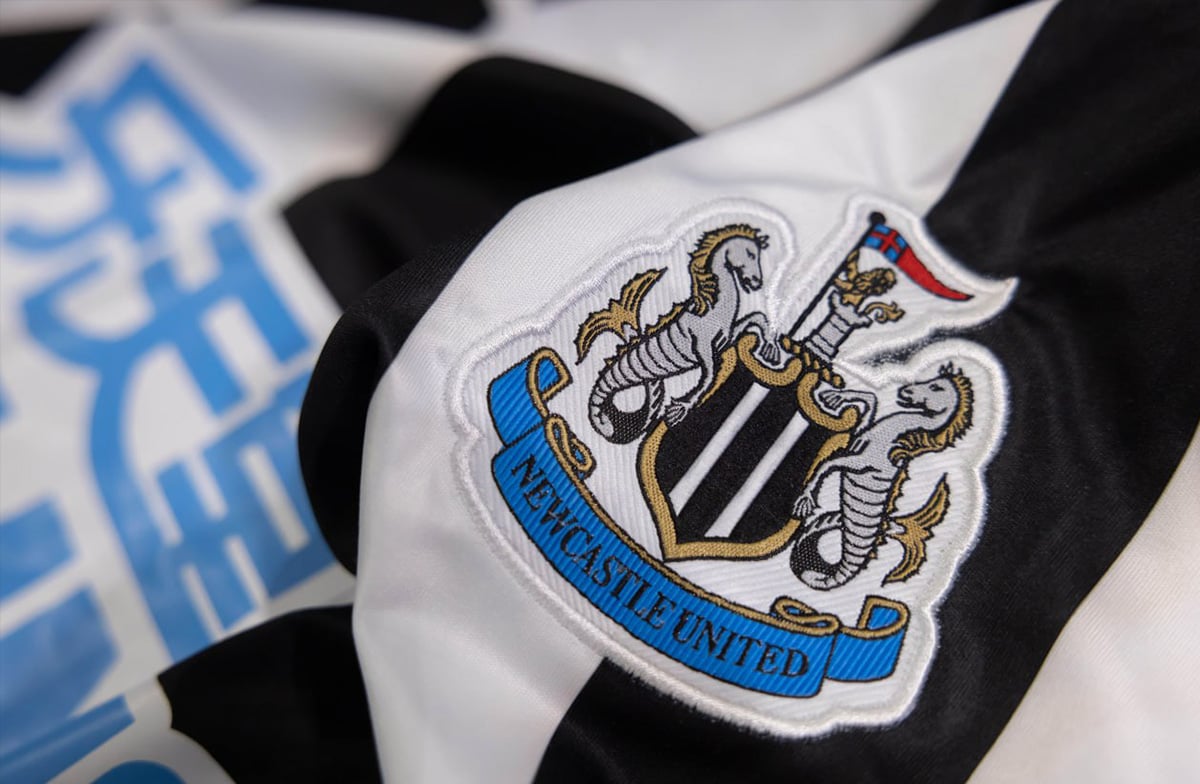
Newcastle United represents the most recent example. The Magpies confirmed their arrangement with 8Xbet in February’s final weeks, granting the platform status as their designated Asian betting partner.
This announcement emerged mere weeks following Culture Secretary Lisa Nandy’s public statement condemning major football institutions for accepting gambling brand sponsorships.
Yet tangible governmental intervention remains absent. Authorities have indicated a consultation period will commence during spring 2026, followed by a comprehensive report. Neither component has received a definitive launch date.
Why Clubs Keep Taking the Money
Sean Connell, representing The Sponsor—a firm specializing in sports sponsorship analytics—attributes this trend to straightforward economics. For clubs positioned outside football’s financial elite, sponsorship revenue constitutes an essential pillar of operational sustainability.
In conversation with Gambling Insider, Connell emphasized that these funds have direct implications for player acquisition budgets and competitive results on the pitch.

Connell further noted that clubs will maintain these commercial relationships throughout their legal validity period. He observed that sponsorship capital continues flowing through established channels until regulatory frameworks explicitly prohibit specific categories.
Financial data supports this assessment. AFC Bournemouth, which secured ninth position in the previous campaign, reportedly generates £6.1 million annually through its BJ88 partnership. This represents a 49% premium above typical market valuations for similarly positioned teams.
One commercial director, speaking anonymously to The Sponsor, revealed that the most competitive proposal from non-gambling sectors offered less than half the amount gambling operators were prepared to commit.
Among the Premier League’s 20 clubs, 11 currently feature gambling brands on their match-day kits. Five of these commercial partners operate without UK regulatory approval.
The league adopted a voluntary resolution in April 2023 to eliminate gambling logos from primary shirt positions beginning with the 2026/2027 campaign. Analysis from The Sponsor projects this prohibition will diminish the commercial value of premier shirt placements by as much as 38%.
The Asian Betting Partner Loophole
Certain arrangements remain virtually invisible to British supporters. Research conducted by The Guardian revealed that clubs including Aston Villa, Chelsea, and Nottingham Forest promoted Asian betting brands through stadium advertising while omitting these partnerships from official disclosures.
Chelsea acknowledged its 8Xbet relationship publicly. However, a separate commercial arrangement with Kaiyun allegedly appeared exclusively on the club’s digital properties when accessed through particular Asian IP addresses.
Aston Villa identified Nova88 as its Official Asian Betting Partner in pre-season communications. Subsequently, all references vanished from the club’s partnership listings.
This approach enables clubs to position these sponsorships as targeting international markets rather than domestic UK consumers.
Parliamentary representatives have expressed alarm regarding UK citizens accessing unlicensed platforms. Concerns encompass connections to organized criminal enterprises, insufficient responsible gambling safeguards, and absent mandatory financial vulnerability assessments.
When the Gambling Commission issued warnings to clubs in May 2025 about potential prosecution risks from TGP-affiliated sponsorships, it produced negligible impact. Everton maintained Stake.com branding on their jerseys following the operator’s UK licence revocation. Sunderland persisted with W88 placement.
The Gambling Commission did enforce penalties against TGP Europe throughout the previous year, delivering a £3.3 million sanction that ultimately expelled the white-label operator from British markets completely.
The government’s forthcoming consultation, combined with the Illegal Gambling Taskforce initiative, signals a more systematic approach to addressing these concerns compared with historical efforts.
However, the consultation period has not commenced. Legislative proposals remain unintroduced. And the Asian betting partner category exists in regulatory limbo. Through March 2026, clubs encounter no statutory obstacles preventing fresh agreements with unlicensed operators.
Get 3 Free Stock Ebooks
Discover top-performing stocks in AI, Crypto, and Technology with expert analysis.
- Top 10 AI Stocks - Leading AI companies
- Top 10 Crypto Stocks - Blockchain leaders
- Top 10 Tech Stocks - Tech giants


