


Key Takeaways
- Bipartisan legislation introduced in Congress seeks to prohibit prediction market contracts covering sports, elections, and military conflicts while blocking insider trading by government personnel
- DraftKings shares plummeted 12% over one week to reach a 12-month nadir of $20.53, with Flutter declining 4% to its weakest level since 2022
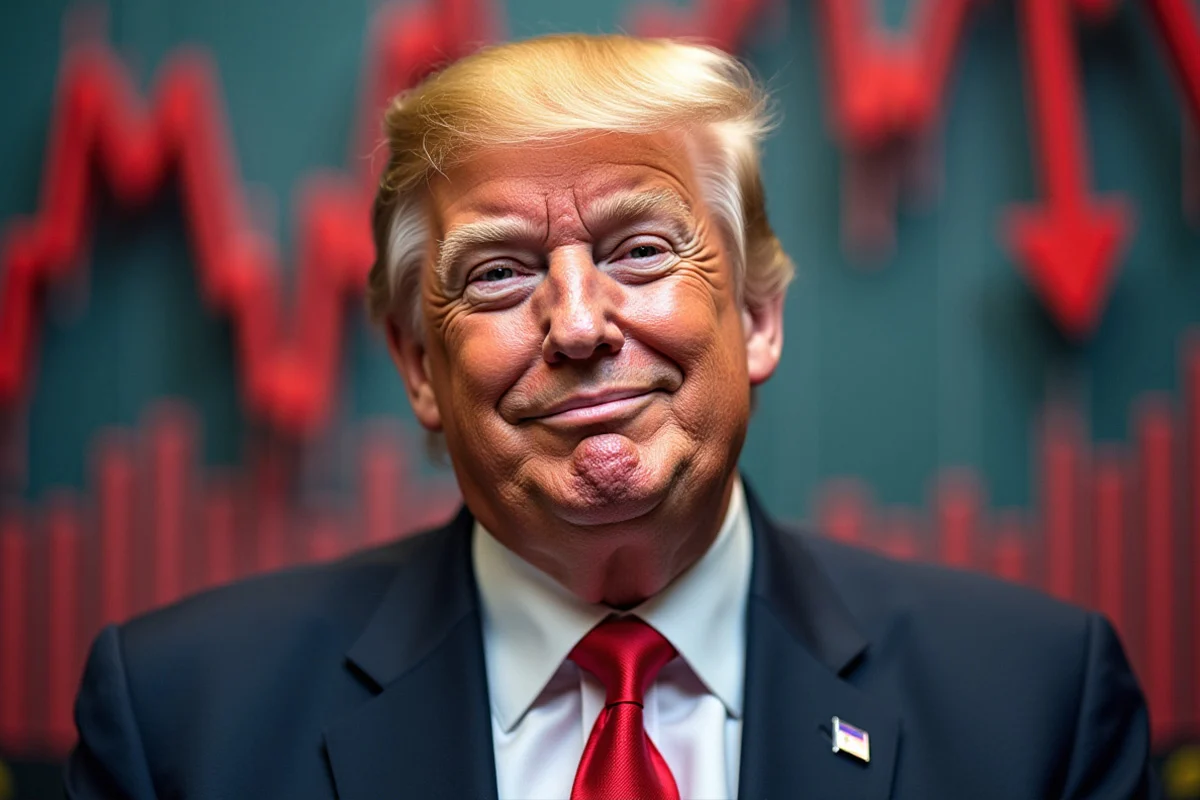
- Trump voiced support for prediction markets publicly for the first time as president, describing them as superior to “fake polls” in accuracy
- Major platforms Kalshi and Polymarket introduced comprehensive integrity protocols preventing politicians and insiders from participating in specific contract categories
- Kalshi’s chief executive characterized the legislative push as protection for gambling industry monopolies rather than consumer safeguards
On March 23, Senators Adam Schiff and John Curtis unveiled the Prediction Markets Are Gambling Act. This legislative proposal would prohibit CFTC-registered entities from offering event contracts that function similarly to sports wagers or casino gaming products.
The proposed legislation specifically addresses contracts connected to athletic competitions, electoral contests, and armed conflicts. Additionally, it would eliminate these contracts’ ability to supersede state-level regulations.
Schiff criticized the CFTC for “greenlighting these markets and even promoting their growth” rather than maintaining regulatory enforcement. He emphasized that congressional intervention was necessary.
Several days afterward, Schiff and Curtis collaborated with Senators Todd Young and Elissa Slotkin on a companion measure. The Public Integrity in Financial Prediction Markets Act of 2026 focuses on eliminating insider trading activities within prediction platforms.
This legislation would prohibit elected representatives and government workers from leveraging confidential information when trading prediction market contracts. Those found in violation would face monetary penalties of no less than $500 or twice their trading gains, whichever proves greater.
Market Response to Prediction Platform Regulatory Proposals
DraftKings shares fell to $20.53 on Friday, marking a new 12-month minimum. The company experienced a 12% weekly decline.

Flutter similarly suffered losses, dropping 4% throughout the week and reaching $100 per share—a price point not seen since 2022. Both companies have experienced declines exceeding 40% across the previous year.
Penn Entertainment, which has not announced immediate prediction market product launches, finished the week at $13.77, posting modest gains.
Kalshi CEO Tarek Mansour delivered a forceful rebuttal to the proposed legislation via X. He attributed the bills to pressure from the “casino lobby” and warned that prohibiting prediction markets would merely drive activity to overseas platforms.
“This bill isn’t about protecting consumers; it’s about protecting monopolies,” Mansour stated.
President Trump Addresses Prediction Markets Publicly
Trump discussed prediction markets publicly for the first time since assuming the presidency. During a telephone conversation with an NYU fellow documented by The Washington Post, Trump asserted that prediction markets demonstrated greater accuracy than conventional polling methods.
“They predicted me pretty right … by a landslide,” Trump stated. He dismissed traditional polling as “fake polls.”
During the seven days preceding the 2024 election, Kalshi and Polymarket both calculated Trump’s victory probability at approximately 65%. Kalshi participants generated $535 million in trading volume through presidential election contracts during that election cycle.
Trump remained silent regarding the newly proposed legislation or recent insider trading allegations involving contracts about international political figures. His social media company Truth Social established an agreement with Crypto.com in October to provide prediction markets, though no launch timeline has been announced.
Donald Trump Jr., the president’s son, holds board positions at both Kalshi and Polymarket.
Coinciding with the first bill’s introduction, Kalshi announced new integrity measures. The platform stated it would prevent politicians, athletes, and other politically exposed individuals from participating in designated sports and political markets.
As an illustration, all US Senate personnel and members face prohibition from trading contracts associated with Senate electoral races. These limitations extend to political action committee staff, news organization decision desk employees, and vote-counting operation workers.
Polymarket similarly revealed enhanced integrity protocols for its decentralized finance platform and CFTC-regulated US exchange. The updated regulations address trading based on privileged information and unlawful intelligence.
Polymarket’s chief legal officer Neal Kumar explained the revisions “make our expectations abundantly clear for every participant across both platforms.”
Get 3 Free Stock Ebooks
Discover top-performing stocks in AI, Crypto, and Technology with expert analysis.
- Top 10 AI Stocks - Leading AI companies
- Top 10 Crypto Stocks - Blockchain leaders
- Top 10 Tech Stocks - Tech giants


