


Key Takeaways
- The electric automaker announced R2 SUV pricing at SXSW, with the Performance edition starting at $57,990 and the entry-level Standard variant priced at $45,000, arriving in late 2027.
- Shares declined approximately 2.4% during Thursday’s session, extending the year-to-date losses to roughly 16%.
- The broader EV sector faces headwinds following the elimination of the $7,500 federal EV tax credit, which contributed to a 36% plunge in domestic electric vehicle sales during Q4.
- Analysts anticipate Rivian will ship between 62,000 and 67,000 vehicles in 2026, including 20,000 to 25,000 R2 models.
- TD Cowen’s Itay Michaeli raised Rivian to a Buy rating on March 10, lifting his target price to $20 and forecasting annual R2 demand could surpass 200,000 units.
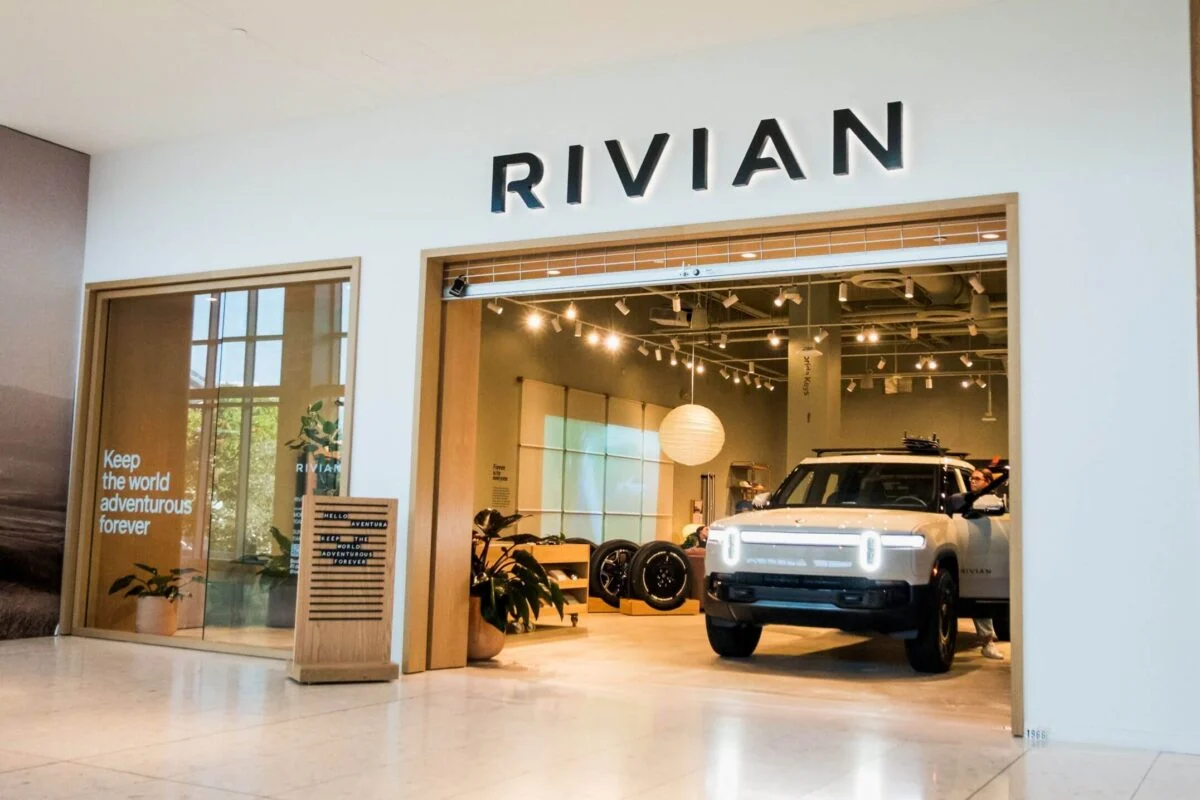
Rivian introduced comprehensive pricing details and specifications for its R2 SUV during Thursday’s presentation at Austin’s SXSW festival — yet investors responded with skepticism.
Shares of Rivian (RIVN) slipped approximately 2.4% to $16.22 during early market hours, despite the highly anticipated announcement providing clarity on the automaker’s upcoming vehicle offering.
The R2 product line features three distinct trim levels. The Performance edition, which launches first, carries a starting price of $57,990 including the launch package, excluding the $1,495 destination charge. A Premium configuration priced at $53,990 becomes available in late 2026, while the entry-level Standard trim arrives in late 2027 at $45,000.
The Performance configuration boasts 656 horsepower, 609 lb-ft of torque, and provides 330 miles of range from its 87.9 kWh battery pack. DC fast charging capabilities enable 10% to 80% replenishment in 29 minutes. Standard equipment includes semi-active suspension technology, 21-inch alloy wheels, matrix LED lighting, plus heated and ventilated front seats.

The Premium model at $53,990 generates 450 horsepower while maintaining the 330-mile range figure, although it omits several driving modes and the adaptive suspension system.
The base Standard trim utilizes a reduced-capacity battery offering approximately 265 miles of range. Additional specifications for this variant remain sparse.
Interestingly, pricing information surfaced prematurely. A media publication posted — then rapidly removed — a comprehensive R2 evaluation on March 11, approximately 24 hours ahead of the scheduled announcement.
Industry Challenges
The R2 enters a demanding marketplace. The Trump administration discontinued the $7,500 EV federal purchase incentive in September, triggering a 36% year-over-year decline in domestic EV sales during the fourth quarter.
Rivian’s existing R1 product line carries starting prices exceeding $70,000, positioning the R2 to attract a considerably broader customer demographic. However, the launch timing proves challenging given deteriorating affordability throughout the electric vehicle segment.
The company forecasts deliveries between 62,000 and 67,000 vehicles during 2026, with R2 models accounting for 20,000 to 25,000 units as the Normal, Illinois manufacturing facility scales production. Validation vehicles have been operational since January, with commercial production anticipated to commence within weeks.
Rivian has accumulated over $24 billion in cumulative losses. Company leadership identifies the R2 as essential for achieving positive cash flow.
Wall Street Perspectives
TD Cowen’s Itay Michaeli elevated Rivian to a Buy rating from Hold on March 10, increasing his target price to $20 from $17. His analysis suggests annual R2 demand could ultimately exceed 200,000 units, with potential upside approaching 330,000 — substantially above Wall Street’s 2027 consensus estimate near 136,000 vehicles.
Barclays analyst Dan Levy noted that tariff expenses and diminished regulatory credit revenue have intensified pressure since the R2 was initially previewed at $45,000 in March 2024.
Approximately 40% of analysts tracking RIVN maintain Buy ratings, trailing the S&P 500 average of 59%, though the company has secured three new Buy recommendations during the past three months. The consensus price target hovers around $18.
The R2 generated over 68,000 reservations within 24 hours following its March 2024 concept debut, with that figure climbing past 100,000 by July 2024. The company hasn’t provided updated reservation data since that time.
Heading into Thursday’s trading session, RIVN had declined approximately 16% in 2026.
Get 3 Free Stock Ebooks
Discover top-performing stocks in AI, Crypto, and Technology with expert analysis.
- Top 10 AI Stocks - Leading AI companies
- Top 10 Crypto Stocks - Blockchain leaders
- Top 10 Tech Stocks - Tech giants


