


TLDRs;
- Widespread San Francisco blackout halts Waymo robotaxis, causing traffic congestion citywide.
- Power outage from substation fire leaves over 130,000 residents temporarily powerless.
- Real-time data on autonomous vehicle disruptions remains unavailable for public review.
- Incident highlights need for resilient traffic systems and vehicle-to-infrastructure communication.
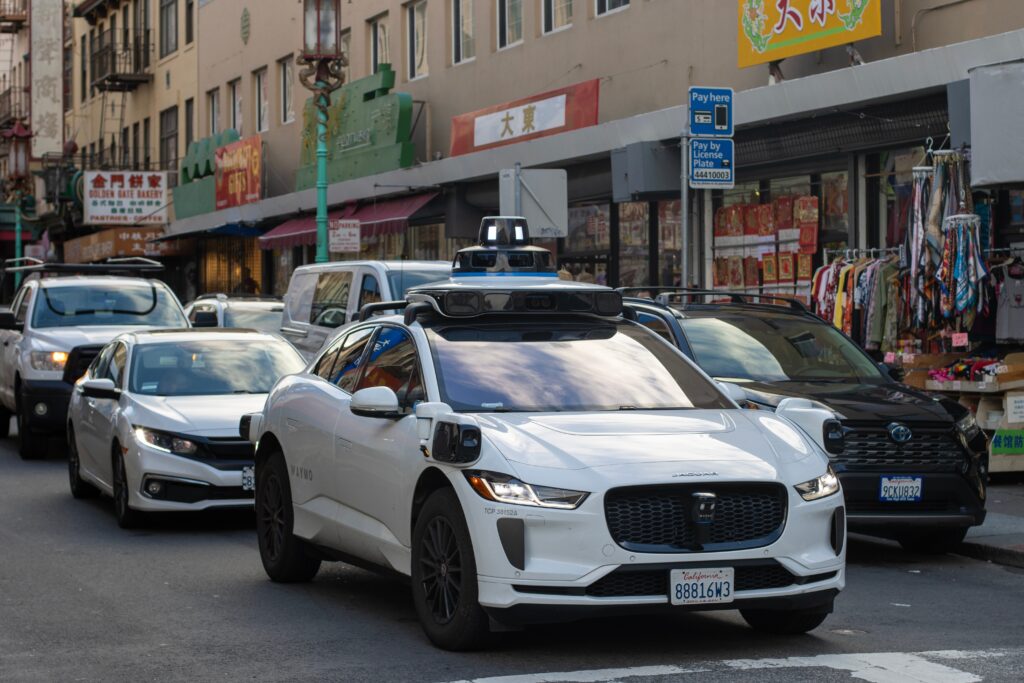
San Francisco’s streets returned to a tentative normal on the evening of December 21, 2025, as Waymo resumed its autonomous ride-hailing services following a city-wide blackout that began the previous afternoon. The power outage, triggered by a substation fire, disrupted traffic signals and stalled driverless vehicles across key areas of the city.
Waymo, Alphabet’s self-driving car division, temporarily halted its fleet in response to the blackout, citing safety concerns amid dark intersections and heavy traffic congestion. Videos circulating on social media showed several Waymo vehicles stranded mid-route, underscoring the challenges autonomous systems face when traditional infrastructure fails.
Blackout Impacts Thousands of Residents
Pacific Gas and Electric (PG&E) reported that the blackout affected roughly 130,000 customers at its peak, with 21,000 still without electricity the following morning. City officials mobilized police and fire crews to assist in managing traffic and public safety, as intersections without functioning signals created gridlock in several neighborhoods.
San Francisco Mayor Daniel Lurie emphasized the importance of public cooperation during the disruption and noted that city agencies would evaluate measures to prevent similar incidents from paralyzing transit in the future.
Autonomous Vehicle Reporting Lags Behind
California law mandates that autonomous vehicle operators report collisions involving property damage, bodily injury, or fatalities within ten days to the DMV. However, reporting and verification can take longer to appear in public records. The California Public Utilities Commission (CPUC) publishes quarterly summaries of commercial robotaxi operations, meaning that the full scope of disruptions caused by the blackout may not be publicly documented until February 2026.
Waymo stated that “most active trips were completed” during the blackout, but independent verification of service delays, customer impact, or safety incidents is not yet available.

Infrastructure Weaknesses Exposed
The incident shed light on vulnerabilities in urban transit infrastructure. Autonomous vehicles rely heavily on functioning traffic signals, and a 130,000-customer blackout illustrated how quickly operations can slow or stop. Experts suggest that grid-resilient traffic signals with battery backups and vehicle-to-everything (V2X) communication could help AVs maintain safer navigation when power fails.
City officials may also prioritize Requests for Proposals (RFPs) to upgrade infrastructure and improve coordination between autonomous vehicles and municipal systems. Such investments could prevent future incidents from causing widespread disruption and inform next-generation mobility planning.
Lessons for the Future of Mobility
While the blackout presented immediate challenges for Waymo and other mobility operators, it also provided a valuable case study for infrastructure planning and autonomous vehicle safety. Coordinated efforts between city agencies and private mobility companies could improve resilience, ensure smoother operations during emergencies, and support ongoing research into autonomous vehicle coordination at unpowered intersections.
The San Francisco blackout underscores a simple reality, even advanced autonomous fleets remain vulnerable to the age-old challenges of power outages. Moving forward, combining technological innovation with smarter city infrastructure will be key to keeping driverless vehicles moving safely in a modern urban environment.
Get 3 Free Stock Ebooks
Discover top-performing stocks in AI, Crypto, and Technology with expert analysis.
- Top 10 AI Stocks - Leading AI companies
- Top 10 Crypto Stocks - Blockchain leaders
- Top 10 Tech Stocks - Tech giants


