


TLDR
- Senators approved the 21st Century Road to Housing Act with an 89-10 vote, which includes an amendment banning CBDCs.
- The Federal Reserve cannot issue a central bank digital currency through December 31, 2030, under this prohibition.
- Stablecoins and private digital currencies backed by the dollar remain unaffected by this legislation.
- The legislation’s future in the House of Representatives remains uncertain amid potential opposition.
- President Trump’s refusal to sign bills until voter-ID legislation passes creates additional complications.
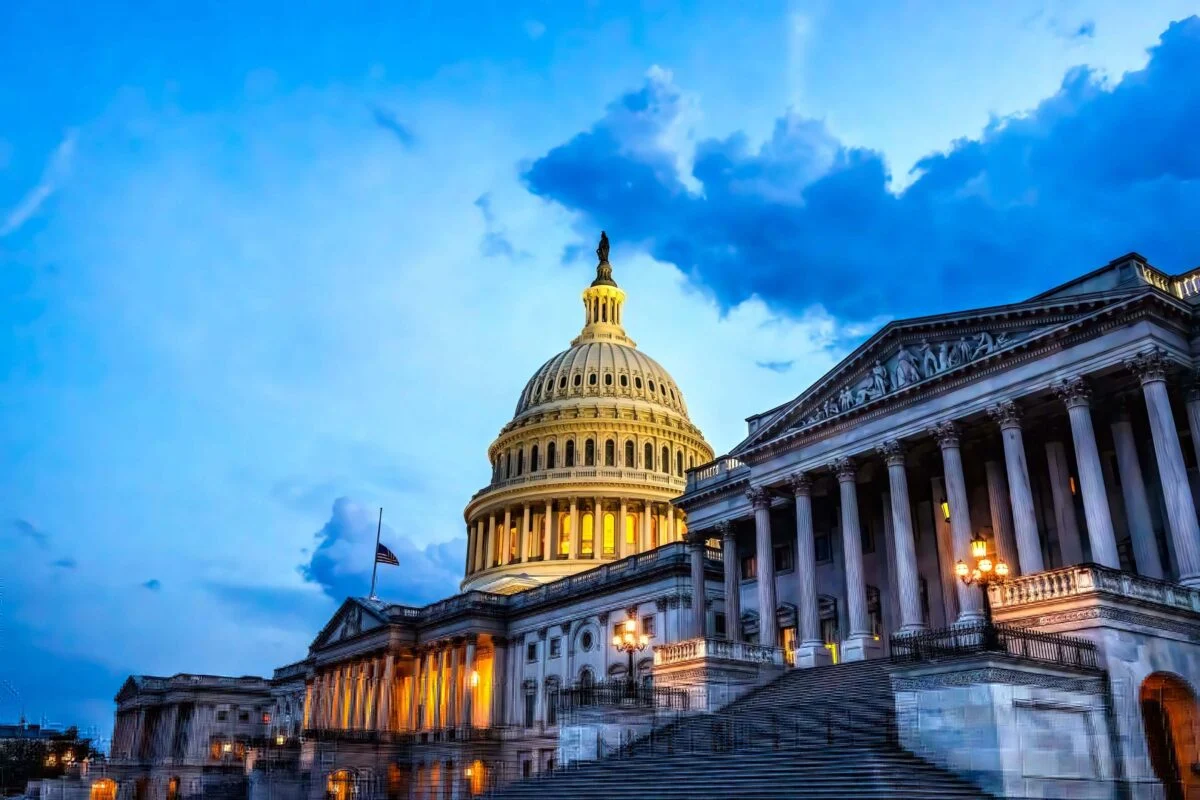
A sweeping housing bill that incorporates a prohibition on Federal Reserve-issued central bank digital currencies received Senate approval on Thursday.
🚨BREAKING: The United States Senate has just voted to ban a Federal Reserve CBDC until the year 2030! 🇺🇸
“The Federal Reserve has no chance of issuing a digital dollar.”
HUGE WIN FOR CRYPTO! pic.twitter.com/IRouGlz1EA
— JackTheRippler ©️ (@RippleXrpie) March 13, 2026
Known as the 21st Century Road to Housing Act, the legislation secured overwhelming support with 89 senators voting in favor and only 10 opposing. Hidden within the final sections of this 302-page document lies an amendment that prevents the Federal Reserve from launching a CBDC—or any comparable digital asset—before 2031.
This prohibition remains in effect regardless of whether the Fed attempts direct issuance or works through banking institutions and other intermediaries.
Stablecoin operations remain unaffected by this bill. Digital currencies backed by the dollar that operate through open, permissionless, and private systems continue to be permitted.
Both Treasury Secretary Scott Bessent and President Donald Trump have expressed support for stablecoins as mechanisms to expand American dollar dominance internationally. Trump alongside Republican legislators have maintained strong opposition to CBDCs.
Congressional Opposition to CBDCs
Over 30 members of Congress submitted correspondence on March 6 requesting the Senate establish a permanent rather than temporary prohibition. Representative Ralph Norman, among those who signed, argued that a CBDC would grant “unelected bureaucrats unprecedented power over Americans’ finances.”

Prominent hedge fund manager Ray Dalio has similarly cautioned against CBDC implementation due to privacy concerns. “There will be no privacy, and it’s a very effective controlling mechanism by the government,” Dalio stated during a recent conversation.
Certain legislators have expressed broader concerns, suggesting even regulated stablecoins might pose surveillance threats. Representative Warren Davidson has contended that the GENIUS Act, designed to regulate stablecoins, establishes infrastructure for financial monitoring through programmable currency systems.
Cody Carbone, CEO of the Digital Chamber, praised the Senate’s decision. “Financial privacy is a cornerstone of American freedom,” Carbone stated, emphasizing that American digital innovation “should be led by the private sector.”
Uncertain Future in the House
The legislation confronts additional obstacles moving forward. House members have indicated potential resistance to the Senate’s version, especially regarding clauses that would restrict the number of residential properties large institutional investors like private equity funds can acquire.
Trump has declared his intention to veto all legislation until Congress enacts voter-ID requirements. This stipulation introduces further uncertainty not only for the housing bill but also for other pending legislation, including the Digital Asset Market Clarity Act.
The Federal Reserve has not advanced beyond exploratory research regarding CBDC implementation. Establishing a formal prohibition has remained a priority objective for numerous Republican lawmakers.
Get 3 Free Stock Ebooks
Discover top-performing stocks in AI, Crypto, and Technology with expert analysis.
- Top 10 AI Stocks - Leading AI companies
- Top 10 Crypto Stocks - Blockchain leaders
- Top 10 Tech Stocks - Tech giants


