


TLDR
- SHAK declined 6.23% in Thursday’s regular session, finishing at $86.81
- Rising crude oil prices tied to geopolitical concerns pressured the stock
- Comparable restaurant stocks also declined — Brinker (EAT) -3.93%, Bloomin’ Brands (BLMN) -4.48%, Papa John’s (PZZA) -7.05%
- Chief Operating Officer Stephanie Sentell offloaded 225 shares at $93.60 on March 6 via a pre-established Rule 10b5-1 trading plan
- Board member Joshua Silverman will depart the board on May 1
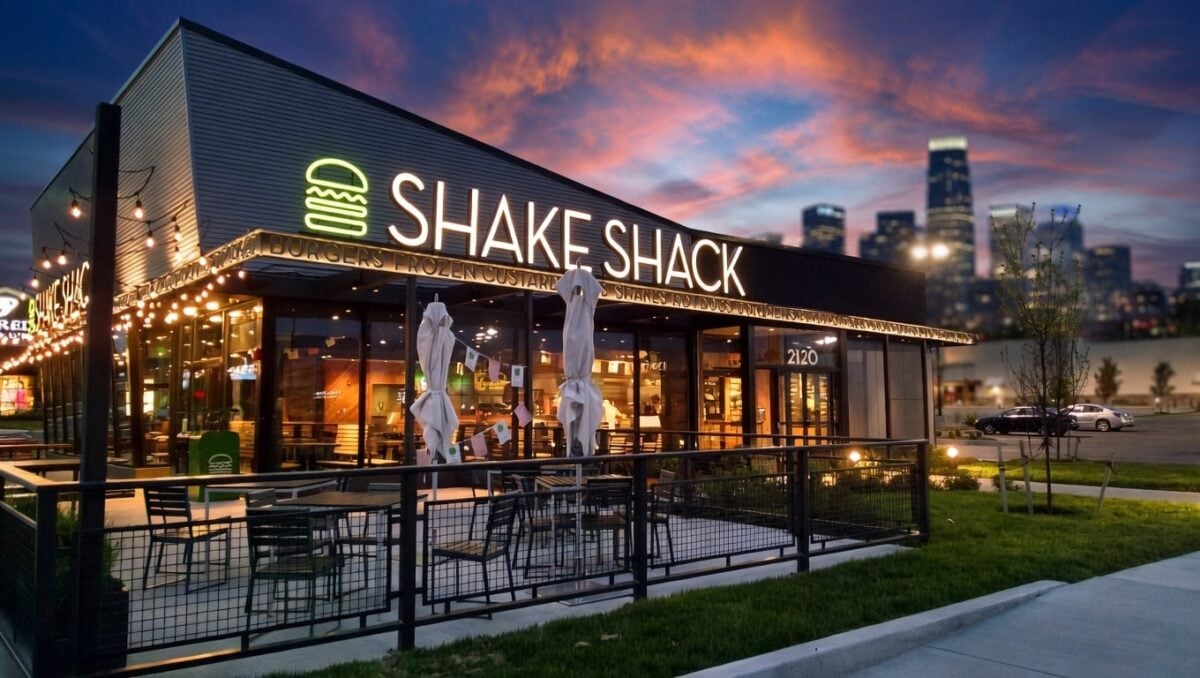
Shake Shack (SHAK) shares tumbled 6.23% Thursday as escalating crude oil costs hammered fast casual restaurant stocks across the board. The burger chain closed regular trading at $86.81, with after-hours activity showing a minimal 0.06% recovery to $86.86.
The catalyst behind Thursday’s selloff was a spike in crude oil prices fueled by heightened geopolitical uncertainty. Energy costs carry significant weight for restaurant chains — commercial LPG represents a critical operational expense, and price increases directly compress profitability.
The pain extended well beyond SHAK. Investors dumped fast casual stocks broadly, viewing the entire category as vulnerable to energy cost inflation.
Brinker International (EAT) lost 3.93% during the session. Bloomin’ Brands (BLMN) retreated 4.48%. Papa John’s (PZZA) suffered the steepest decline, plunging 7.05%.

Company-Specific Pressure
The sector-wide downturn hit Shake Shack while the company was navigating some internal developments.
A recent SEC disclosure showed Chief Operating Officer Stephanie Sentell disposed of 225 SHAK shares at $93.60 on March 6. This transaction occurred under a predetermined Rule 10b5-1 trading arrangement, indicating it was planned well ahead of time rather than motivated by immediate market conditions. Following the sale, Sentell continues to hold 15,342 shares.
In a separate development, Shake Shack announced that director Joshua Silverman will exit the board effective May 1. This will reduce board composition from nine members to eight. The company emphasized that Silverman’s departure stems from no disagreement or conflict.
While neither development likely drove Thursday’s decline directly, they contributed additional uncertainty during an already challenging trading day.
Where The Stock Stands
SHAK is currently positioned near the bottom of its 52-week trading range of $72.93 to $144.65. The present share price represents approximately 19% above the yearly low.
The relative strength index (RSI) registers at 39.60, indicating oversold conditions without reaching extreme levels.
Year-over-year, SHAK has advanced 4.88%. That represents modest gains compared to the peak levels achieved earlier in the 52-week period.
The company’s market capitalization stands at $3.71 billion. Wall Street analysts generally rate the stock between Hold and Moderate Buy, with consensus price targets clustering around the low-to-mid $110 range — suggesting potential upside of approximately 25–35% from current levels.
Shake Shack has delivered 19 straight quarters of positive same-store sales growth. Restaurant-level operating margins have expanded into the low-20% territory, outpacing numerous industry competitors.
Shares showed modest gains in early Friday trading as market participants balanced the company’s consistent same-store sales performance against mounting cost pressures.
Get 3 Free Stock Ebooks
Discover top-performing stocks in AI, Crypto, and Technology with expert analysis.
- Top 10 AI Stocks - Leading AI companies
- Top 10 Crypto Stocks - Blockchain leaders
- Top 10 Tech Stocks - Tech giants


