


Key Highlights
- Jet fuel costs have jumped from $2.50/gallon to $4.24/gallon following military actions against Iran involving U.S. and Israeli forces
- United Airlines executives are preparing for Brent crude reaching $175/barrel, potentially increasing annual fuel expenses by $11 billion
- Budget carriers including JetBlue, Spirit, and Frontier were operating at losses even before current fuel price escalation
- Low-cost Asian airlines are implementing fare increases, vendor reductions, and innovative technology solutions to manage expenses
- Financial analysts identify Delta and United as most resilient; Spirit Airlines faces potential liquidation due to fuel cost pressure
The aviation industry confronts its most severe financial challenge since the COVID-19 pandemic as jet fuel costs skyrocket in the aftermath of military strikes targeting Iran by U.S. and Israeli forces. This energy crisis extends beyond American borders, placing intense strain on low-cost carriers throughout Asia and compelling swift operational adjustments.
According to Airlines for America data, jet fuel reached $4.24 per gallon by the end of last week, representing a dramatic increase from $2.50 before the Iranian strikes commenced. Brent crude oil was hovering near $112 per barrel on Friday.
United Airlines Chief Executive Scott Kirby informed staff that the company is preparing financial models assuming Brent crude could climb to $175 per barrel and remain above $100 through 2027. This projection suggests United’s yearly fuel expenditure could surge by approximately $11 billion — exceeding double the carrier’s record annual profitability.
United Airlines Holdings, Inc., UAL
Neverthstanding these projections, Kirby characterized the challenging environment as a strategic opening, suggesting elevated fuel prices might enable United to acquire assets and capitalize on network adjustments as competitors face difficulties.

Fuel expenditures represent approximately one-quarter of airline operational budgets. Since carriers sell tickets far in advance, sudden fuel price increases create immediate cost pressures before airlines can adjust ticket pricing accordingly.
Moody’s credit ratings agency identified low-cost and ultra-low-cost operators as most vulnerable to the current crisis. JetBlue, Spirit, and Frontier were recording financial losses before fuel prices escalated. Moody’s analysis indicated that if Brent crude had averaged $80 per barrel last year versus the actual $69, operating profits for rated U.S. carriers would have declined by 50%.
Major Carriers Better Equipped for Turbulence
Delta and United produced the strongest operating margins among Moody’s-rated U.S. airlines during the previous year. S&P Global Ratings highlighted that both carriers maintain minimal debt loads, robust cash positions, and derive greater revenue from premium cabin sales.
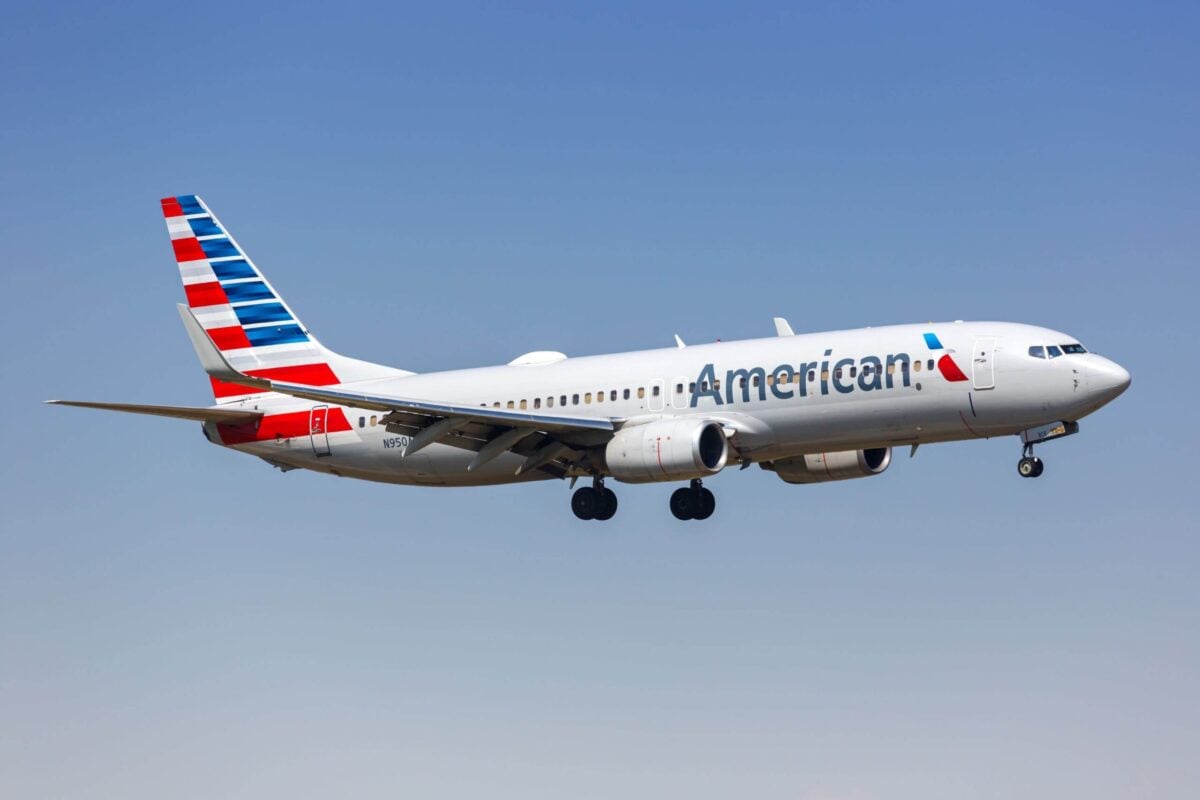
American Airlines begins this period with available liquidity exceeding $10 billion but shoulders approximately $25 billion in long-term obligations. Chief Executive Robert Isom disclosed that the fuel price increase added roughly $400 million to first-quarter expenses.
Southwest Airlines possesses a solid balance sheet, though Fitch cautioned that prolonged fuel price elevation could stress profitability and cash reserves. Alaska Air reported $3 billion in available liquidity and has implemented fare increases to counterbalance rising costs without reducing flight schedules.
JetBlue concluded last year holding $2.5 billion in liquidity without fuel price hedging instruments. S&P projects the carrier will experience cash burn this year before approaching break-even status around 2027. Frontier recorded annual net losses with just $874 million in liquidity reserves.
Spirit Airlines, operating under bankruptcy protection, cautioned that escalating fuel costs might disrupt creditor negotiations and potentially trigger liquidation proceedings.
Asian Low-Cost Carriers Implement Operational Changes
Throughout Asia, budget airlines encounter comparable financial pressures. SpiceJet reported that Middle East route interruptions are severely impacting its India-Dubai service, which operates 77 weekly flights. ICRA downgraded India’s aviation sector outlook to negative on March 26, attributing the revision to increased fuel prices and rupee depreciation.
Zipair Tokyo stated its long-distance routes have circumvented Middle East disruptions and passenger demand continues strongly. The carrier installed Starlink internet connectivity across its fleet to eliminate traditional entertainment system hardware expenses and intends to expand its fleet beyond 20 aircraft by 2032.
SpiceJet’s technology division SpiceTech has eliminated approximately 80% of external technology service providers, lowering operational costs while simultaneously offering services to competing airlines.
Get 3 Free Stock Ebooks
Discover top-performing stocks in AI, Crypto, and Technology with expert analysis.
- Top 10 AI Stocks - Leading AI companies
- Top 10 Crypto Stocks - Blockchain leaders
- Top 10 Tech Stocks - Tech giants


