


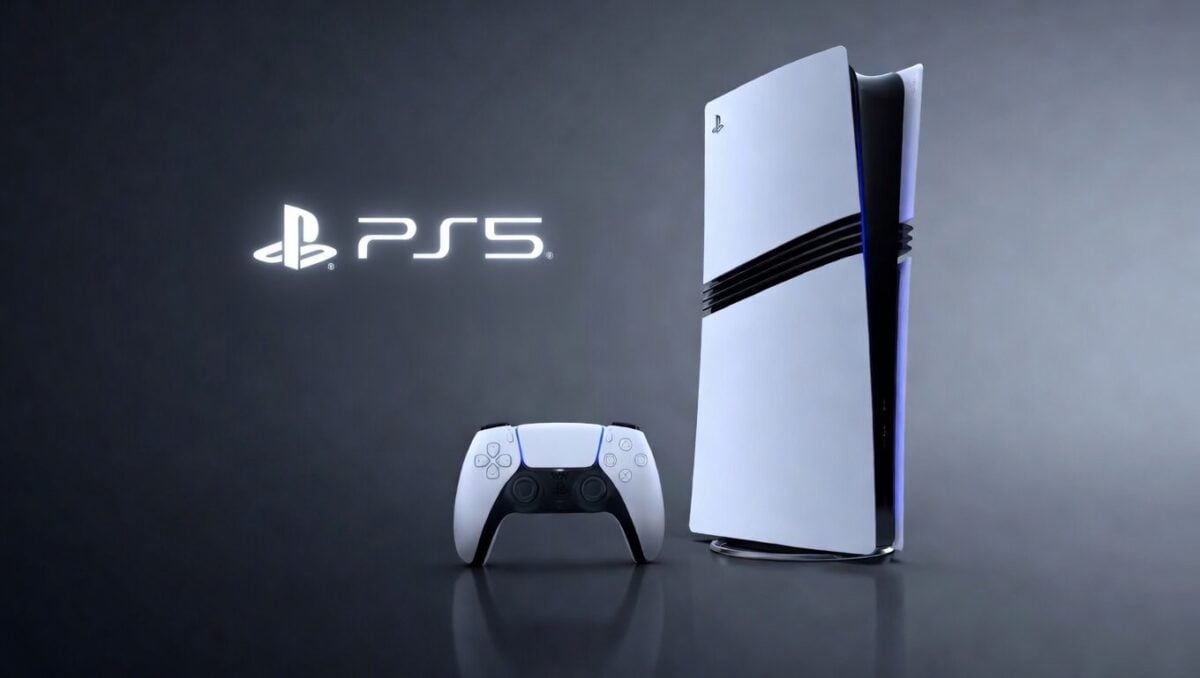
Key Highlights
- PlayStation 5 consoles will see price increases up to $150 across U.S. markets beginning April 2, 2026.
- The disc-equipped PS5 model jumps from $549.99 to $649.99, while the PS5 Pro reaches $899.99.
- The company attributes the adjustment to “pressures in the global economic landscape,” particularly escalating memory chip expenses.
- International markets including the U.K., Europe, and Japan face similar pricing adjustments.
- SONY stock showed minimal reaction to the announcement, trading with significantly reduced volume.
The Japanese electronics giant is implementing its second PlayStation 5 price adjustment in fewer than twelve months. The new pricing structure becomes effective April 2, 2026, impacting customers throughout the United States, United Kingdom, European markets, and Japan.
Across American markets, the disc-based PS5 variant will increase from $549.99 to $649.99—representing a $100 surge. The all-digital model rises to $599.99, matching the $100 increment. The premium PS5 Pro console experiences the steepest adjustment, climbing $150 to reach $899.99. Additionally, the PS Portal handheld streaming device will retail at $249.99.
The gaming manufacturer attributed the decision to “continued pressures in the global economic landscape.” Through an official blog statement, Sony characterized the pricing revision as “necessary” for maintaining its commitment to “innovative, high-quality gaming experiences.”
This marks the second occasion the company has adjusted PlayStation 5 pricing within a year. The earlier increase occurred amid elevated inflation rates and uncertainty surrounding American trade tariffs.

Currently, rising memory chip expenses represent a primary catalyst. Memory components are essential to PS5 functionality, and their costs have escalated as semiconductor manufacturers allocate production capacity toward AI datacenter requirements. Market demand remains robust while availability stays constrained.
Industry Expert Perspectives
Piers Harding-Rolls, who directs gaming research at Ampere Analysis, characterized the price adjustments as “inevitable” when speaking with CNBC. He suggested Sony’s component pricing agreements have likely reached expiration.
“With no sign of prices easing… Sony will have made the move to protect its slim hardware margins,” Harding-Rolls stated. He further indicated that Microsoft and Nintendo might implement comparable strategies.
Nintendo has maintained stable pricing for its Switch 2 console following last year’s release. Harding-Rolls observed the challenging circumstances this creates: implementing price increases on a recently launched platform while simultaneously attempting to expand its user base presents strategic difficulties.
The analyst additionally identified Middle Eastern geopolitical tensions as a contributing factor. “A new wave of inflation is expected from the war in the Middle East, and this will compound the effect of the component price increases,” he explained.
British consumers face £90 increases (approximately $120) across all PS5 configurations. European and Japanese markets are experiencing comparable adjustments, with the PS5 Pro reaching ¥137,980 throughout Japan.
Sony’s Strategic Response to Market Challenges
During a February investor presentation, company leadership outlined plans to maximize revenue from the current PlayStation 5 user ecosystem. The strategy emphasizes software distribution and network service expansion rather than hardware-dependent revenue streams.
SONY stock demonstrated negligible movement Friday. Shares gained merely 0.02% as of market close, with approximately 2 million units changing hands—substantially below the 5.57 million three-month average daily volume.
The equity has declined 21.8% year-to-date and dropped 20.17% across the trailing twelve-month period.
Get 3 Free Stock Ebooks
Discover top-performing stocks in AI, Crypto, and Technology with expert analysis.
- Top 10 AI Stocks - Leading AI companies
- Top 10 Crypto Stocks - Blockchain leaders
- Top 10 Tech Stocks - Tech giants


