


Key Takeaways
- SpaceX is preparing to go public with a potential valuation reaching $1.5 trillion
- The company’s Starlink division pulled in approximately $11.8 billion in 2025 revenues
- Elon Musk’s AI venture xAI was absorbed into SpaceX’s operations this year
- The 2021 IPO class saw catastrophic declines of 70–80%, creating investor skepticism
- Currently, everyday investors can only gain SpaceX exposure through specialized funds like ARKVX
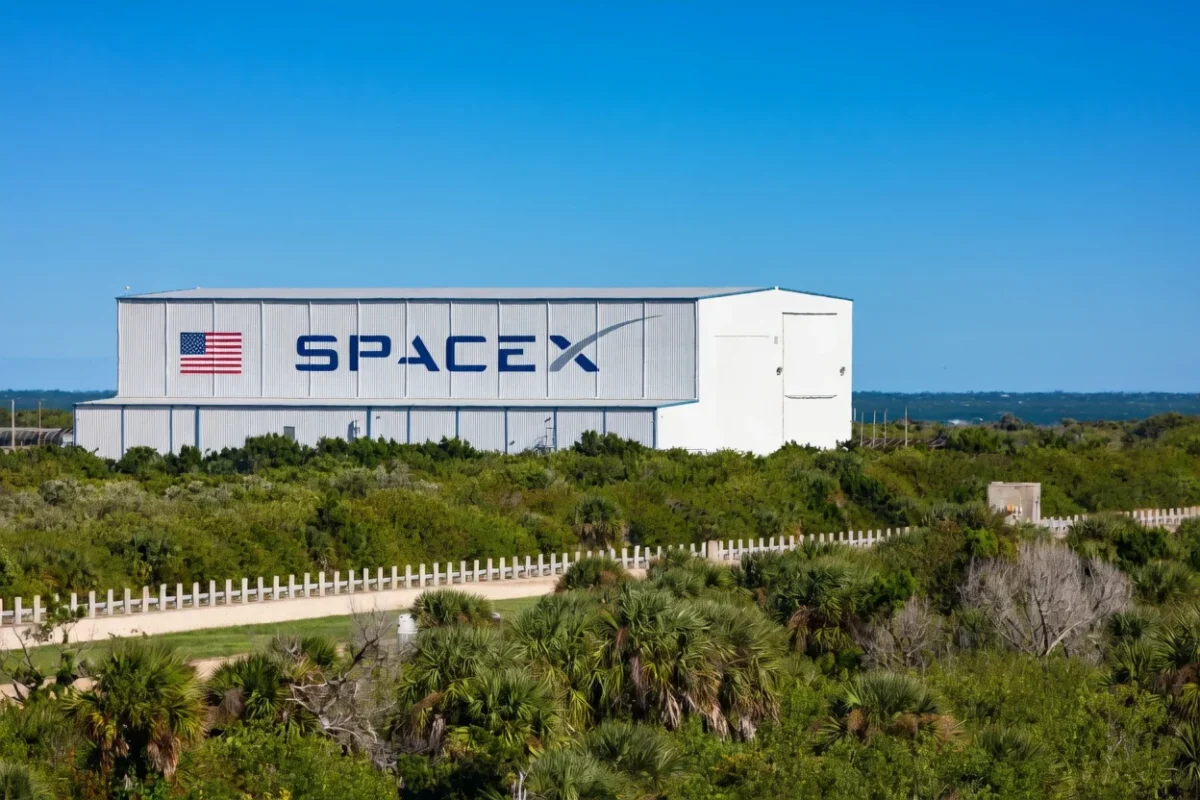
Elon Musk’s aerospace giant is gearing up for what could become one of the largest initial public offerings in American financial history. With a current private market valuation approaching $1.5 trillion, SpaceX stands as the planet’s most valuable privately-held enterprise.
Musk established SpaceX back in 2002 with an audacious vision: establishing human civilization on Mars. Two decades later, the venture has evolved into an aerospace powerhouse dominating commercial launches, orbital internet services, and emerging AI technologies.
The company’s Falcon 9 launch system has become the industry standard for reliability and cost-effectiveness, completing more than 633 successful missions. Meanwhile, the next-generation Starship vehicle represents a fully reusable platform engineered to transport humans and equipment to lunar and Martian destinations.
The Starlink constellation, SpaceX’s global broadband network, generated roughly $11.8 billion throughout 2025. This division has emerged as a critical revenue pillar with consistent growth trajectories.
In a strategic move earlier this year, SpaceX incorporated xAI, Musk’s artificial intelligence company, into its corporate structure. Musk has publicly outlined his vision for space-based solar energy collection to fuel massive AI computing facilities, explaining the strategic rationale behind merging these operations.
The IPO Risk Factor
SpaceX’s public market entry arrives during a period of heightened scrutiny following recent IPO disappointments. The 2021 public offering frenzy left countless investors nursing significant losses.

Consider the carnage: Allbirds, which commanded a $2.2 billion valuation, recently sold for a mere $39 million. BuzzFeed’s market capitalization collapsed from over $1 billion to approximately $23 million. Technology darlings including UiPath, GitLab, and Warby Parker continue trading 70–80% beneath their debut prices.
These spectacular failures have fundamentally altered investor psychology. SpaceX faces the challenge of demonstrating genuine value creation rather than relying on promotional narratives.
While SpaceX differs substantially from the 2021 cohort—boasting established operations and substantial revenues—market observers note that investor confidence remains fragile after years of disappointing post-IPO performance.
Ordinary investors currently lack direct purchasing options for SpaceX equity. Limited indirect access exists through vehicles like the ARK Venture Fund and the XOVR ETF, though these hold relatively modest positions.
Space Stocks Available Now
Investors seeking immediate aerospace sector exposure have several publicly-traded alternatives available today.
Rocket Lab has successfully deployed 252 satellites and is advancing development of its Neuron launch platform. Intuitive Machines maintains NASA partnerships and provided critical infrastructure for the recent Artemis 2 lunar mission.
AST SpaceMobile operates as a direct Starlink competitor in satellite broadband services, with strategic partnerships including AT&T and Verizon.
On the trading day of this analysis, Intuitive Machines shares surged 18.53%. AST SpaceMobile climbed 10.28%, while Rocket Lab advanced 3.27%.
Get 3 Free Stock Ebooks
Discover top-performing stocks in AI, Crypto, and Technology with expert analysis.
- Top 10 AI Stocks - Leading AI companies
- Top 10 Crypto Stocks - Blockchain leaders
- Top 10 Tech Stocks - Tech giants


