


TLDR
- Taiwan’s central bank calls for stricter oversight of stablecoin issuers
- Issuers urged to keep part of their reserves at the central bank
- Draft Virtual Asset Services Act aims to regulate stablecoin businesses
- Local banks like O-Bank and KGI Bank explore stablecoin issuance
- USD stablecoins dominate Taiwan’s trade with 5% adoption rate.
Taiwan’s central bank has called for tighter oversight of stablecoin issuers, urging them to maintain part of their reserves at the central bank. The move comes as Taiwan’s legislature debates the governance of stablecoins under the draft Virtual Asset Services Act (VASA). This act, led by the Financial Services Commission (FSC), represents Taiwan’s first dedicated effort to regulate digital assets.
Central Bank’s Role in Stablecoin Regulation
Taiwan’s central bank has expressed interest in playing a role in licensing stablecoin issuers. This recommendation comes as part of an effort to ensure the stability of Taiwan’s foreign exchange and payment systems. The central bank’s involvement would add a layer of scrutiny to the growing market for stablecoins, including both Taiwan dollar (TWD) and USD-pegged versions.
The VASA, which is currently under review by the Executive Yuan, will help shape the framework for virtual asset businesses in Taiwan. Local banks are already preparing for this new regulatory environment. O-Bank, for example, has shown interest in launching a Taiwan dollar-pegged stablecoin, while KGI Bank has partnered with Tether to build cross-border finance applications.
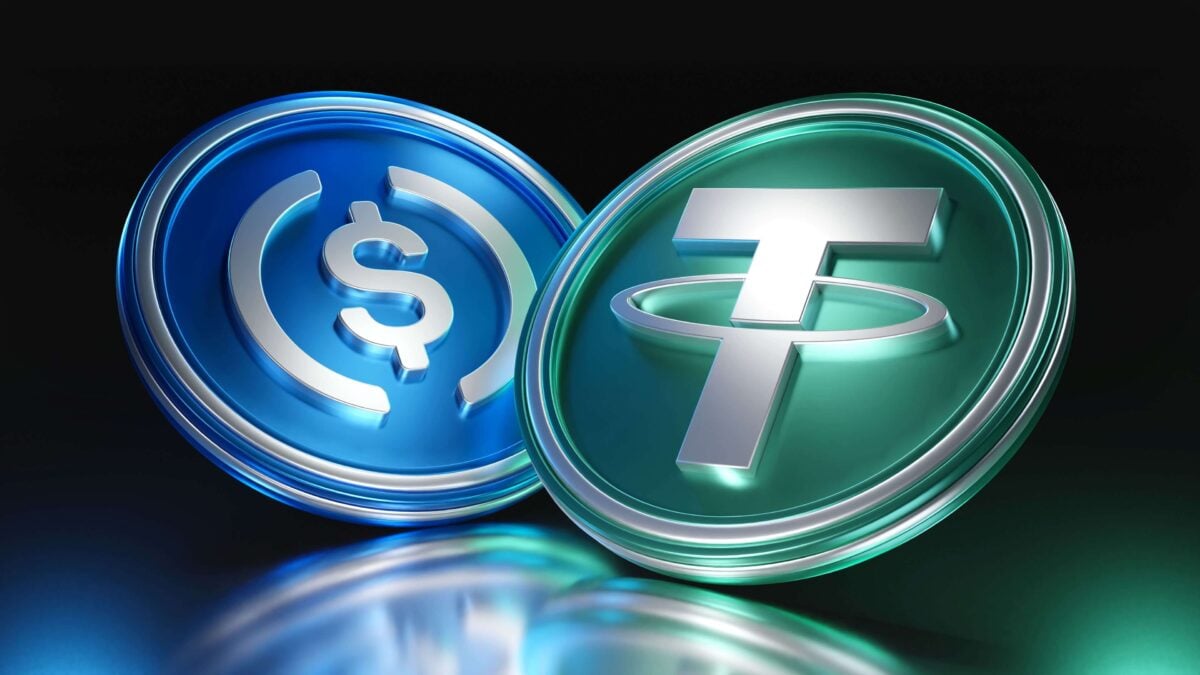
Despite the regulatory push, the idea of issuing a Taiwan dollar stablecoin faces several challenges. According to James Lee, senior advisor at the Taiwan External Trade Development Council (TAITRA), USD stablecoins dominate the global market. He warned that creating a Taiwan dollar-pegged stablecoin would struggle to compete with the established USD stablecoins, such as USDC and USDT.
Lee also pointed out that the return on reserves for a Taiwan dollar stablecoin would be lower than that of USD-based stablecoins. He stated, “Why would someone use a less well-known stablecoin when they can use USDC or USDT with no switching costs?” This challenge reflects broader concerns about scalability and international appeal for a Taiwan dollar stablecoin.
Despite these challenges, stablecoins are already being used in Taiwan’s trade sector. A recent survey revealed that nearly 5% of Taiwan’s importers and exporters are using USD stablecoins. This uptake exceeded initial expectations, highlighting the growing role of stablecoins in Taiwan’s economy.

James Lee noted that USD stablecoins are advantageous because they allow Taiwanese companies to remain competitive in international trade. This is particularly important as USD stablecoins facilitate cross-border transactions more efficiently than traditional currencies.
Regulatory Gaps and Crypto Scams in Taiwan
While the draft VASA does not include specific anti-money laundering (AML) provisions, Taiwan has tightened its oversight of digital assets. The 2024 Money Laundering Control Act significantly reduced the number of licensed exchanges, from 30 to just 9. However, the crypto Travel Rule, which mandates the sharing of cross-border transfer details, has yet to take effect.
Charlie Chen, Secretary of the Taiwan Virtual Asset Anti-Money Laundering Association (TVA3), warned that scams and frauds remain a pressing issue. He emphasized that most stolen funds are transferred to international exchanges, beyond the reach of Taiwanese law enforcement. This continues to undermine investor confidence in the local digital asset market.
The debate around stablecoin regulation in Taiwan continues to evolve. Taiwan’s central bank is determined to ensure that stablecoins are properly regulated to mitigate risks to the financial system. As Taiwan moves forward with the draft VASA, the central bank’s role in overseeing stablecoin reserves could become a critical factor in shaping the country’s approach to digital asset regulation.
Get 3 Free Stock Ebooks
Discover top-performing stocks in AI, Crypto, and Technology with expert analysis.
- Top 10 AI Stocks - Leading AI companies
- Top 10 Crypto Stocks - Blockchain leaders
- Top 10 Tech Stocks - Tech giants


