


TLDRs:
- Taiwan will retain production of its most advanced chips domestically through 2028.
- TSMC’s US and international fabs remain tied to Taiwan’s core operations.
- Advanced packaging and top-end nodes will stay concentrated in Taiwan for now.
- US CHIPS Act funding supports suppliers but cannot replicate Taiwan’s efficiency.
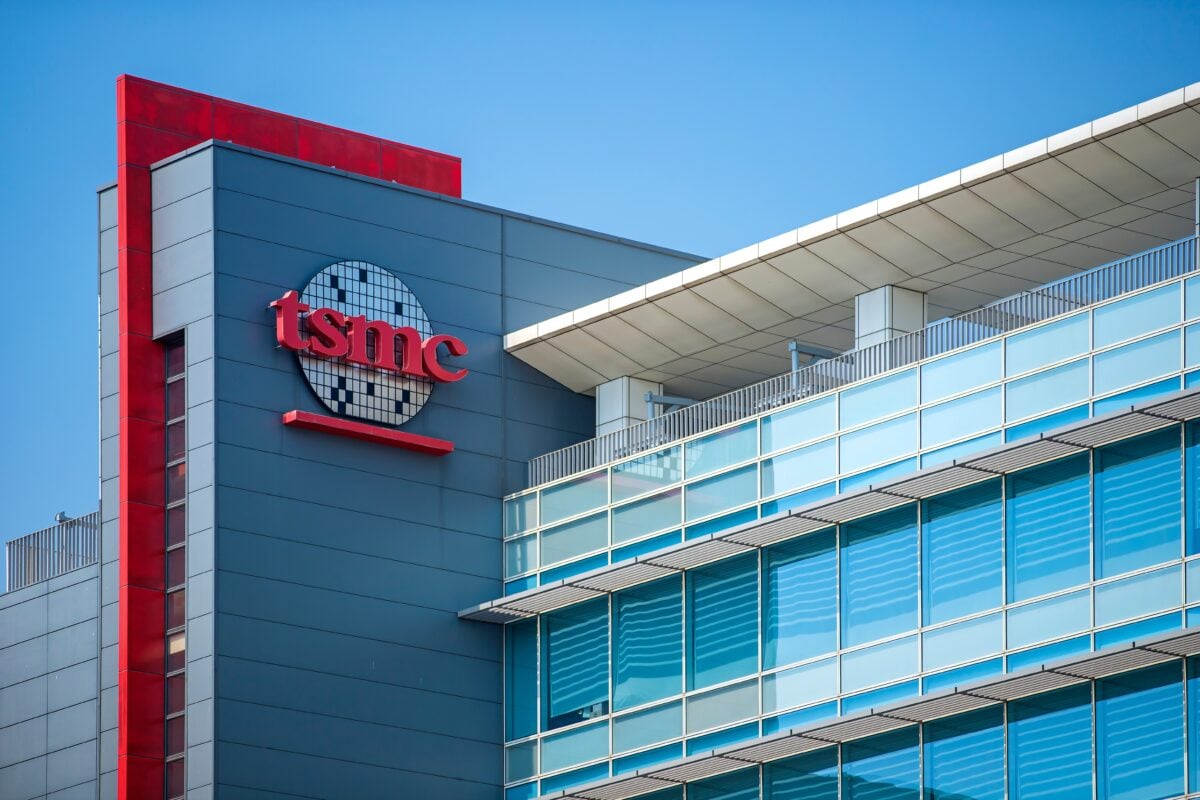
Taiwan has reaffirmed its commitment to producing the world’s most advanced semiconductors domestically, ensuring that the island maintains a dominant role in the global chip market. Deputy Foreign Minister Francois Chih-chung Wu stated that the top-tier technology used in semiconductors, particularly those made by Taiwan Semiconductor Manufacturing Company (TSMC), will remain in Taiwan for the foreseeable future.
Currently, Taiwan accounts for over half of global semiconductor output, including nearly all leading-edge chips. Wu explained that replicating TSMC’s sophisticated manufacturing culture overseas presents substantial challenges, making domestic production the most reliable method to protect global supply chains. “Maintaining operations in Taiwan is the best way to ensure stability and prevent conflict from disrupting the industry,” Wu emphasized.
International Expansion Remains Linked
While TSMC has invested in fabrication plants in the United States, Japan, and Germany, these international sites are closely linked to Taiwan’s domestic operations. For instance, TSMC’s Arizona facility produces 4-nanometer chips as of early 2025, but the more advanced 3nm and 2nm nodes are not planned until 2028 and 2029, respectively. Similarly, the A16 chip, roughly 1.6nm, will continue to be manufactured in Taiwan at least until 2028.
Wu also addressed recent proposals from the United States to split advanced chip production, a plan Taiwan has firmly rejected. The move highlights Taiwan’s strategic insistence on keeping cutting-edge semiconductor technology concentrated within its borders, even amid international pressure to diversify production.
Advanced Packaging and Costs Remain Taiwan-Centric
Another crucial aspect of Taiwan’s dominance lies in advanced packaging techniques, such as Chip-on-Wafer-on-Substrate (CoWoS), which allow multiple chips to be tightly combined for improved performance.
These high-end processes are not yet being replicated abroad, with the first US installations expected no earlier than late 2027 and a dedicated US site unlikely before mid-2026. TSMC also points to significantly higher costs for overseas operations, estimating that US-made chips are at least 50% more expensive, with construction costs four to five times higher than in Taiwan.

Opportunities for Suppliers Abroad
Despite Taiwan’s domestic focus, opportunities have emerged for equipment and material suppliers supporting overseas fabs. The US Commerce Department has awarded $32.59 billion across 49 projects to 33 companies under the CHIPS Act. Recipients include silicon wafer and silicon carbide substrate suppliers, makers of fused silica glass, ultra-high-purity isopropyl alcohol, and dry vacuum pump vendors. Engineering and integration firms, such as Han’s Tech and Foxsemicon, are also expected to benefit from the second Arizona fab build-out in 2025.
Amkor’s $400 million advanced packaging facility near TSMC’s Arizona site further supports the supply chain, with production scheduled to begin in 2028. While these investments help strengthen US semiconductor capabilities, they remain dependent on Taiwan’s technological leadership and expertise.
Taiwan Secures Global Chip Leadership
Taiwan’s decision to retain the most advanced semiconductor production domestically reinforces its central role in the global technology landscape. Even as countries like the United States push for more local production, the combination of TSMC’s technical expertise, advanced packaging capabilities, and efficient domestic operations ensures that Taiwan will remain a critical hub for top-end semiconductors for years to come.
Get 3 Free Stock Ebooks
Discover top-performing stocks in AI, Crypto, and Technology with expert analysis.
- Top 10 AI Stocks - Leading AI companies
- Top 10 Crypto Stocks - Blockchain leaders
- Top 10 Tech Stocks - Tech giants


