


Key Takeaways
- A resolution from the American Federation of Teachers urges 1.8 million members to avoid Target during back-to-school season
- The union’s protest stems from Target’s handling of ICE enforcement incidents in Minneapolis that resulted in two civilian deaths
- CEO Michael Fiddelke signed a corporate letter requesting “de-escalation” without explicitly naming victims or federal authorities
- The retailer recently concluded a separate year-long boycott related to diversity initiatives after committing resources to Black-owned enterprises and HBCUs
- Under new leadership, Target projects approximately 2% sales growth this fiscal year as part of its recovery strategy
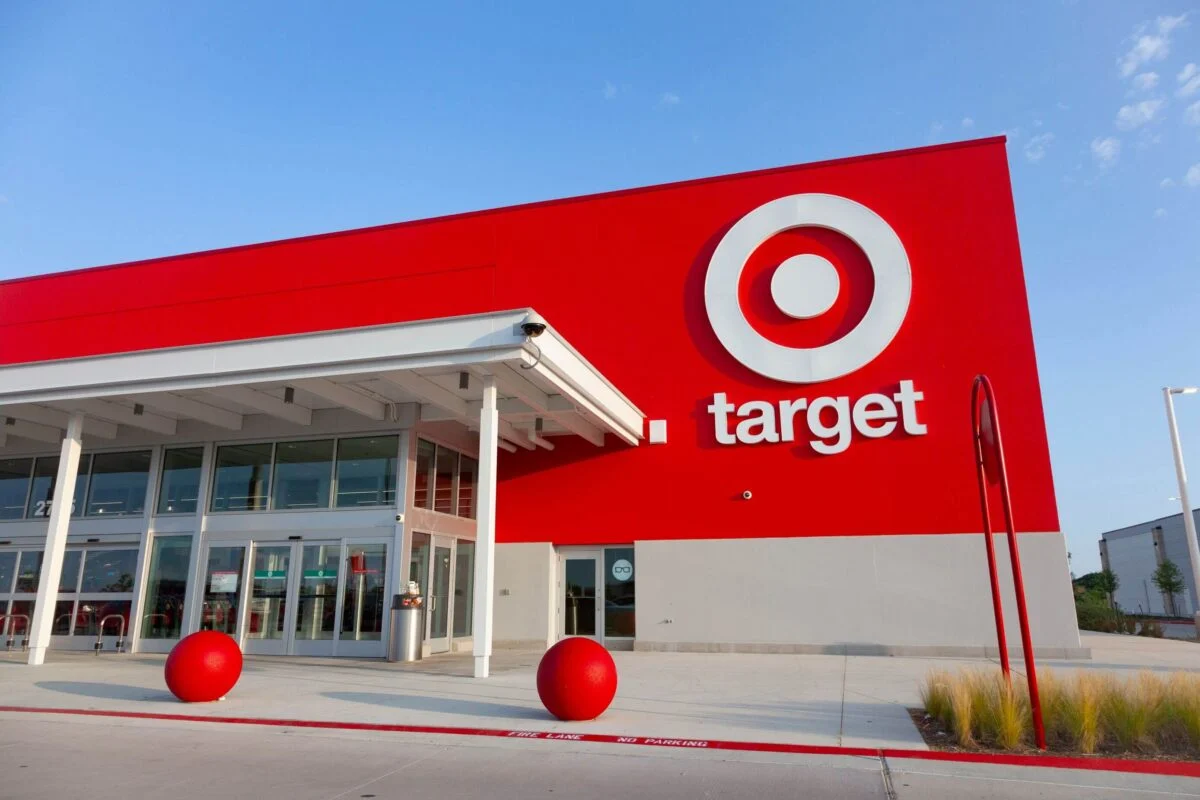
Target (TGT) confronts another wave of public criticism as the Minneapolis-based retailer works to reverse three consecutive years of declining revenue.
On Thursday, the American Federation of Teachers adopted a resolution encouraging its 1.8 million members to patronize neighborhood retailers instead of Target when purchasing back-to-school items. The union’s grievance focuses on what it characterizes as Target’s inadequate response to intensive federal immigration actions in Minneapolis earlier this year.
Federal immigration enforcement operations in the Twin Cities region resulted in the fatal shootings of two American citizens, Renee Good and Alex Pretti, by ICE personnel. According to the AFT, Target failed to properly address what the union described as an “occupation” of the corporation’s headquarters city.
AFT President Randi Weingarten revealed that union representatives communicated with Target through written correspondence and in-person meetings prior to advancing the resolution. She noted that Target “could have very easily dealt with both” controversies but declined to do so.

While CEO Michael Fiddelke joined other Minnesota business leaders in co-signing a late January statement requesting “immediate de-escalation,” the document omitted the victims’ names and avoided direct criticism of the administration, its immigration enforcement approach, or federal personnel—a decision Weingarten characterized as “insulting.”
Fiddelke also distributed an internal video statement to staff members that recognized current circumstances but fell short of demanding ICE withdrawal or accountability for the fatalities.
The union intends to advocate for comparable boycott measures at the AFL-CIO’s summer gathering in Minneapolis and during upcoming NAACP and LULAC conventions.
Recurring Boycott Challenges
This marks another episode in Target’s ongoing struggle with coordinated consumer activism. The previous year saw substantial boycott activity—known as “Target Fast”—organized by Atlanta pastor Jamal Harrison Bryant in response to the company’s reversal of diversity, equity, and inclusion programs.
That particular boycott officially concluded this month following Target’s financial commitments to Black-owned businesses and contributions to Historically Black Colleges and Universities. Bryant recognized the company’s “meaningful contributions” to African American communities.
However, dissent persists. Former Ohio state Senator Nina Turner and additional activists maintain their calls for consumer avoidance of Target. Meanwhile, the AFT—which had aligned with the diversity-focused boycott—has now shifted attention to immigration enforcement concerns.
Weingarten emphasized that the back-to-school shopping period provides optimal financial pressure, noting Thursday’s resolution gives Target “enough time to come back to its senses.”
Recovery Strategy Underway
During an investor presentation in Minneapolis this month, newly appointed CEO Fiddelke unveiled a comprehensive recovery blueprint. The strategy encompasses store renovations, merchandise enhancements, and price reductions across over 3,000 products.
Target recently celebrated its 2,000th store opening and forecasts approximately 2% net sales growth for the current fiscal year—anticipating positive quarterly performance throughout.
The retailer has partially attributed previous revenue declines to consumer backlash from its diversity policy changes, coupled with inventory miscalculations and weakened consumer expenditure patterns.
Target chose not to address the AFT resolution directly but referenced its commitment to donating 5% of profits and maintaining discount programs for education professionals.
The AFT’s strategic timing targets the summer shopping period when back-to-school purchases generate substantial retail activity for the sector.
Get 3 Free Stock Ebooks
Discover top-performing stocks in AI, Crypto, and Technology with expert analysis.
- Top 10 AI Stocks - Leading AI companies
- Top 10 Crypto Stocks - Blockchain leaders
- Top 10 Tech Stocks - Tech giants


