


Key Takeaways
- CEO Michael Fiddelke is implementing price reductions of 5%–20% across more than 3,000 items, spanning clothing, household products, baby care, and groceries.
- The retailer’s annual net sales for 2025 declined 1.7% to $104.8 billion, marking five consecutive quarters of revenue decline.
- Fiddelke announced a $6 billion investment plan for 2026, featuring $5 billion in capital spending — approximately 33% higher than the previous year.
- The revamped approach focuses on attracting “busy families” through inventory improvements, location upgrades, expedited shipping, and expanded AI implementation at nearly 2,000 locations.
- Market experts suggest that pricing adjustments by themselves will be insufficient, and the complete transformation will require time to generate meaningful outcomes.
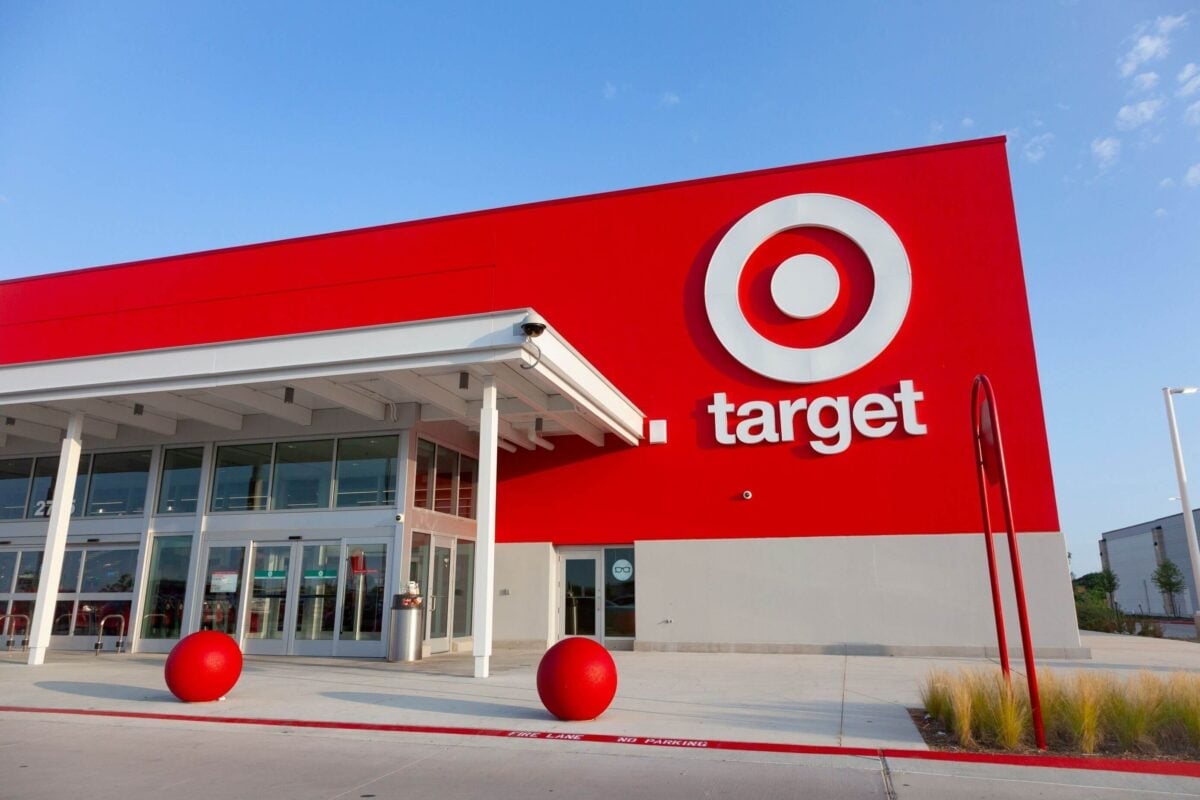
Target’s recently appointed CEO is moving quickly. Michael Fiddelke, who assumed leadership last month, revealed this week that the retail giant will reduce prices across more than 3,000 items — marking his inaugural significant action since taking the helm. The price drops span from 5% to 20% and encompass clothing lines, home furnishings, infant products, and grocery basics. These changes are scheduled to appear at checkout counters later this month.
This strategy isn’t entirely new territory. Previous CEO Brian Cornell implemented similar price reduction initiatives throughout his leadership, including one that affected 5,000 products in 2024. That effort temporarily restored positive comparable store sales growth, but the momentum proved short-lived. Industry watchers are eager to see whether this latest attempt will yield more sustainable results.
Arun Sundaram, an analyst with CFRA, characterized the reductions as “a step in the right direction,” while cautioning they won’t single-handedly restore customer traffic. “The winning playbook is broader than simply lowering prices,” he emphasized.
The competitive landscape remains challenging. Target’s sales have contracted for five consecutive quarters. Annual net sales for 2025 totaled $104.8 billion, representing a 1.7% decline. Operating profits have decreased for three straight reporting periods. During the same timeframe, competitors Walmart and Costco have generated total returns exceeding 200% over the past five years — a span during which Target’s total returns have contracted by more than 20%.
Investing $6 Billion in Recovery
Fiddelke’s strategy extends beyond simple price adjustments. During his inaugural investor presentation on March 3, he introduced a comprehensive plan supported by $6 billion in total investment for 2026. This encompasses $5 billion dedicated to capital projects, representing roughly one-third more than the prior year’s allocation.

He’s designated $1 billion for accelerating product replenishment and location renovations, over $1 billion toward grocery operations, and $1 billion in supplementary operational costs. He’s also committed to expanding artificial intelligence deployment throughout Target’s approximately 2,000 retail locations.
The market reacted favorably to the announcement — TGT stock advanced 6% following the presentation.
Fiddelke indicated that sales will expand in each quarter throughout the current year and forecasted an adjusted operating income margin of 4.8% for 2026, representing a 20 basis point improvement from the previous year.
Targeting the “Busy Family” Demographic
The refreshed strategy identifies a specific consumer segment: what Fiddelke terms the “busy family.” Chief merchandising officer Cara Sylvester explained that the discounted merchandise represents items this demographic regularly purchases — seasonal clothing, linens, footwear, infant equipment, and daily necessities.
The company also intends to emphasize private-label offerings and established national brands including Bugaboo and Doona. The objective is creating a more selective, style-focused yet value-conscious retail environment.
Michael Ashley Schulman from Cerity Partners characterized the timeline as “aggressive but realistic,” contingent upon successful store operations and supply chain performance. “Retail turnarounds rarely get a second shot,” he observed.
Jay Woods from Freedom Capital Markets noted that any positive impacts from this fundamentals-focused approach will materialize incrementally.
Target’s projected adjusted operating income margin of 4.8% for 2026 stands in comparison to Walmart’s anticipated margin reaching 4.4% for the identical timeframe.
Get 3 Free Stock Ebooks
Discover top-performing stocks in AI, Crypto, and Technology with expert analysis.
- Top 10 AI Stocks - Leading AI companies
- Top 10 Crypto Stocks - Blockchain leaders
- Top 10 Tech Stocks - Tech giants


